

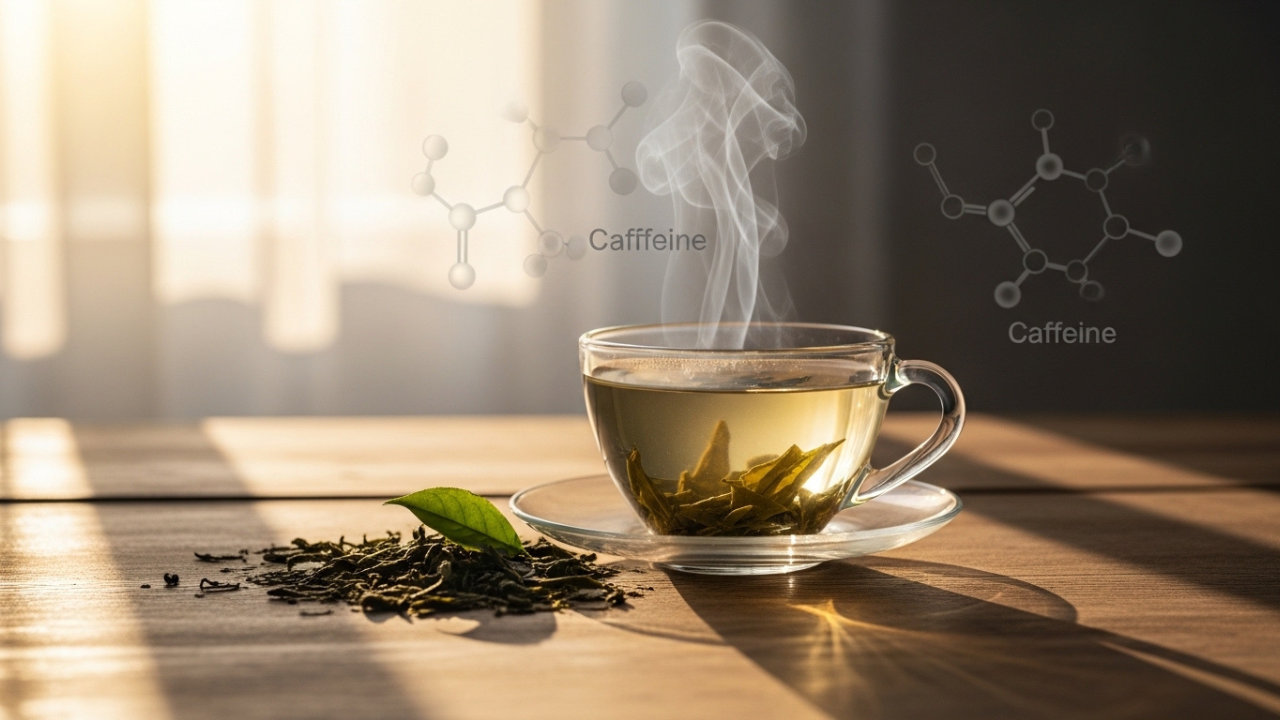
If you’re a tea lover, you may have come across the term theeine and wondered how it differs from caffeine. Is it a separate compound? Does it affect the body differently? Or is it simply another name for something we already know?
In this complete guide, we’ll explore the meaning of theeine, how it works in your body, its benefits, possible side effects, and how it compares to caffeine in coffee.
What Is Theeine?
Theeine is another name for caffeine when it is found in tea. Chemically, theeine and caffeine are identical molecules.
The confusion began in the early 19th century when scientists isolated a stimulant from tea and believed it was different from the caffeine found in coffee. Later research confirmed that the stimulant in tea and coffee is the same compound.
Today, the term “theeine” is mostly used in historical or marketing contexts. Scientifically speaking:
Theeine = Caffeine found in tea
Tea comes from the plant Camellia sinensis, and it naturally contains caffeine (theeine), along with other compounds that influence how it affects your body.
The Chemical Structure of Theeine
From a molecular standpoint, theeine and caffeine share the exact same chemical formula:
C₈H₁₀N₄O₂
This means:
-
Same structure
-
Same stimulant properties
-
Same effects on the nervous system
However, the experience of drinking tea often feels different from drinking coffee. That difference isn’t due to theeine itself—but to the other compounds found in tea.
How Theeine Works in the Body
Theeine (caffeine) affects your body primarily by interacting with your central nervous system.
Blocks Adenosine
Adenosine is a neurotransmitter that promotes sleep and relaxation. Throughout the day, adenosine builds up in your brain, making you feel tired.
Theeine works by:
-
Blocking adenosine receptors
-
Preventing feelings of drowsiness
-
Increasing alertness
Stimulates the Central Nervous System
When adenosine is blocked, your brain increases the release of:
-
Dopamine
-
Norepinephrine
-
Glutamate
These neurotransmitters improve mood, reaction time, and focus.
Increases Heart Rate and Metabolism
Theeine may:
-
Slightly raise heart rate
-
Increase metabolic rate
-
Improve physical performance
Why Tea Energy Feels Different from Coffee
If theeine and caffeine are identical, why does tea often feel gentler than coffee?
The answer lies in a unique amino acid found in tea: L-theanine.
The Role of L-Theanine
L-theanine:
-
Promotes relaxation
-
Reduces stress
-
Encourages alpha brain waves (calm focus)
When combined with caffeine (theeine), it creates what many describe as:
-
Smooth, steady energy
-
Less jitteriness
-
Improved concentration without anxiety
This is why tea provides what some call “calm alertness.”
Health Benefits of Theeine
When consumed in moderation, theeine offers several potential health benefits.
Improved Mental Alertness
Theeine enhances:
-
Focus
-
Memory
-
Reaction time
-
Cognitive performance
This makes tea a popular choice for students and professionals.
Enhanced Physical Performance
It can:
-
Increase adrenaline levels
-
Improve endurance
-
Reduce perceived effort during exercise
That’s why many athletes consume caffeine before workouts.
Supports Metabolism
It may:
-
Boost thermogenesis (heat production)
-
Increase fat oxidation
-
Slightly enhance calorie burning
While not a magic weight-loss solution, it can support an active lifestyle.
Rich in Antioxidants
Tea contains powerful antioxidants, especially in varieties like:
-
Green tea
-
Black tea
-
Oolong tea
These antioxidants help fight oxidative stress and support overall health.
Theeine vs Coffee Caffeine: Is There a Difference?
Chemically? No difference.
Practically? Yes.
| Factor | Tea (Theeine) | Coffee |
|---|---|---|
| Caffeine Content | Lower per cup | Higher per cup |
| Absorption Speed | Slower | Faster |
| L-theanine Present | Yes | No |
| Energy Feel | Smooth & steady | Strong & quick |
Tea typically contains 30–70 mg of caffeine per cup, while coffee contains 80–120 mg (or more).
Because tea contains L-theanine and polyphenols, caffeine absorption may be slightly slower, leading to a longer-lasting and less intense energy boost.
How Much Theeine Is Safe?
Health experts generally recommend limiting caffeine intake to:
Up to 400 mg per day for most healthy adults
That equals roughly:
-
5–8 cups of tea (depending on strength)
-
3–4 cups of coffee
However, sensitivity varies from person to person.
Possible Side Effects of Theeine
While moderate intake is safe for most people, excessive consumption may cause:
-
Insomnia
-
Anxiety
-
Increased heart rate
-
Digestive discomfort
-
Headaches
Some individuals are more sensitive to caffeine and may experience side effects at lower doses.
Theeine and Sleep
Because it blocks adenosine, it can interfere with sleep.
Tips to avoid sleep disruption:
-
Avoid tea 6–8 hours before bedtime
-
Choose low-caffeine options in the evening
-
Switch to herbal teas (naturally caffeine-free)
Good sleep hygiene is essential for balancing caffeine use.
Does Theeine Cause Dependency?
Yes, regular caffeine consumption can lead to mild dependence.
If you suddenly stop, you may experience:
-
Headaches
-
Fatigue
-
Irritability
-
Brain fog
These symptoms are temporary and usually resolve within a few days.
Theeine in Different Types of Tea
Not all teas contain the same amount of theeine.
Green Tea
Moderate caffeine, high antioxidants.
Black Tea
Higher caffeine than green tea.
Oolong Tea
Medium caffeine, partially oxidized.
White Tea
Lower caffeine, delicate flavor.
All come from Camellia sinensis—the difference lies in processing methods.
Who Should Limit Theeine?
Certain individuals should monitor caffeine intake carefully:
-
Pregnant women (limit intake per medical advice)
-
People with anxiety disorders
-
Individuals with heart conditions
-
Those sensitive to stimulants
Always consult a healthcare professional if unsure.
Is Theeine Good or Bad?
The answer depends on:
-
Dosage
-
Individual tolerance
-
Timing
-
Overall health
In moderation, theeine can:
Improve focus
Enhance mood
Support performance
Provide antioxidant benefits
In excess, it may:
Disrupt sleep
Increase anxiety
Cause dependency
Balance is key.
Common Myths About Theeine
Theeine Is Different from Caffeine
False. They are chemically identical.
Tea Has No Caffeine
False. All true teas from Camellia sinensis contain caffeine.
Tea Is Always Gentler
Not always. Strong black tea can contain significant caffeine.
Final Thoughts
Theeine is simply caffeine found in tea—but the experience of drinking tea differs because of its unique combination of natural compounds like L-theanine and antioxidants.
When enjoyed in moderation, theeine can enhance focus, support physical performance, and contribute to overall well-being. The key lies in understanding your body’s response and consuming it responsibly.
Whether you prefer green, black, or oolong tea, it offers a balanced, sustained energy boost that many find smoother than coffee.