

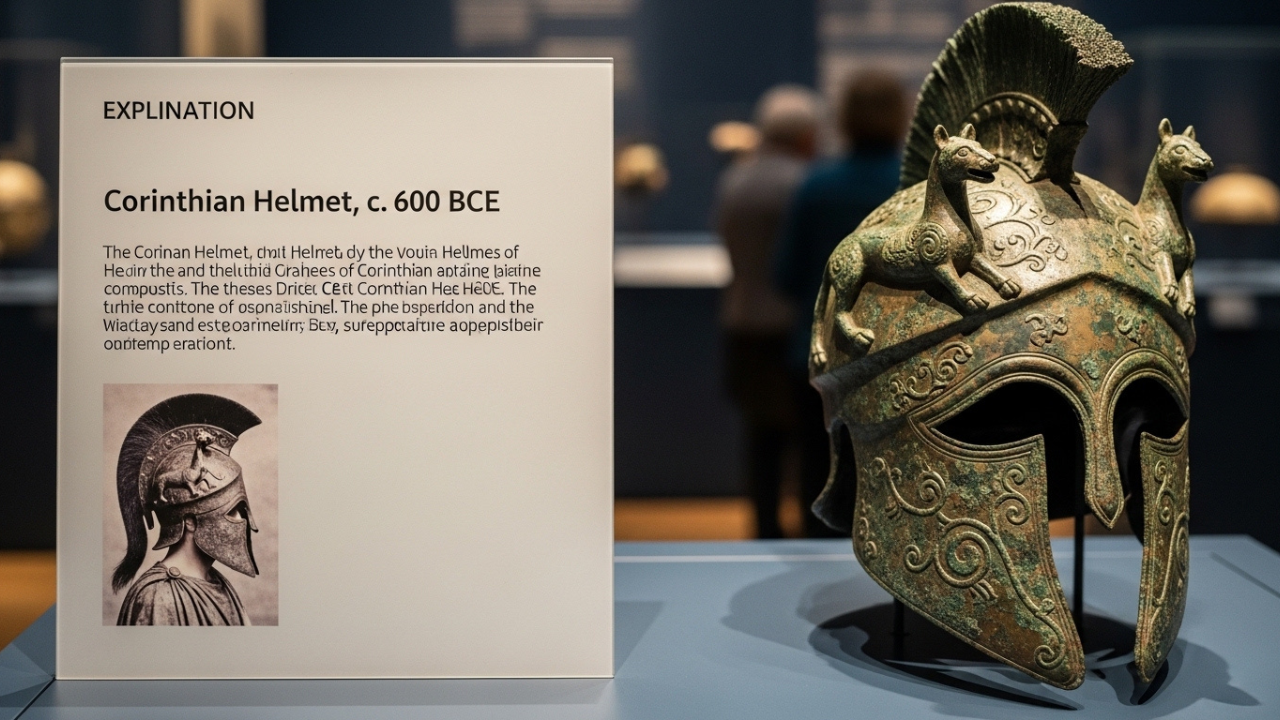
When you step into a museum, every exhibit has a story to tell. But how do these stories come alive? Enter museum explanation cards—those small but mighty labels that guide visitors through the wonders of art, history, and science. These unassuming pieces of text hold the power to transform an ordinary stroll into an enlightening journey.
Whether it’s a vibrant painting or an ancient artifact, museum explanation cards serve as vital companions for curious minds. They are designed not just to inform but also to inspire engagement and provoke thought. For curators and educators alike, crafting effective explanation cards is both an art and a science.
In this complete guide, we’ll explore the purpose of these essential tools in museums today. You’ll learn how they enhance learning experiences while discovering tips on writing clear and captivating labels that resonate with diverse audiences. So grab your notebook; it’s time to unlock the secrets behind compelling museum explanation cards!
Museum Explanation Cards: A Complete Guide to Writing Clear & Engaging Exhibit Labels
Museum explanation cards are essential for enriching the visitor experience. They bridge the gap between art and understanding, providing context that transforms passive viewing into active engagement. Well-crafted labels invite curiosity and encourage deeper exploration.
Creating effective exhibit labels requires clarity, brevity, and connection. Use straightforward language to convey complex ideas simply. Aim for a tone that resonates with your audience—be it academic or casual visitors—making every reader feel welcome in the space you’ve curated.
Visual design is equally important; legibility can make or break an explanation card’s impact. Consider font size, color contrast, and spacing to ensure readability from a distance. Striking a balance between informative content and aesthetic appeal keeps visitors engaged while enhancing their overall museum experience.
The Purpose of Museum Explanation Cards
Museum explanation cards serve as vital tools for enhancing visitor experience. They provide context, insights, and narratives about exhibits that enrich the viewing experience. Without these cards, many pieces of art or artifacts might remain isolated in their significance.
These labels bridge the gap between the object and its audience. By offering information such as historical background, artist intent, or cultural relevance, they transform a simple observation into a deeper understanding. This connection elevates appreciation and engagement with each piece displayed.
Moreover, museum explanation cards cater to diverse audiences by employing various tones and styles. Some may be academic while others are conversational. This versatility allows museums to communicate effectively with different visitor demographics, ensuring everyone leaves having learned something valuable.
How Explanation Cards Support Learning
Museum explanation cards serve as vital tools for enhancing visitor understanding. These concise labels provide essential context, making artworks and artifacts more accessible to diverse audiences. By breaking down complex concepts into digestible information, they encourage deeper engagement.
Moreover, effective explanation cards cater to various learning styles. Visual learners benefit from images or diagrams that accompany text, while others may appreciate storytelling elements that evoke emotion. This variety ensures that everyone can connect with the exhibit on a personal level.
Additionally, museum explanation cards help facilitate self-directed exploration. Visitors can choose what catches their interest without feeling overwhelmed by excessive information. As a result, these carefully crafted labels empower individuals to learn at their own pace and enrich their overall museum experience.
Writing Effective Museum Explanation Cards
Writing effective museum explanation cards requires clarity and precision. Use simple language that is accessible to a broad audience. Avoid jargon or overly complex terms that might alienate visitors.
Focus on the key message you want to convey. Begin with an engaging hook, perhaps a question or an interesting fact related to the exhibit. This draws in curious minds right away and stimulates interest.
Keep information concise and focused, ideally within 50-100 words per card. Bullet points can work wonders for readability, helping visitors quickly grasp essential details without feeling overwhelmed by text-heavy descriptions. Make sure each card invites exploration rather than summarizes everything at once; this sparks curiosity about the artifacts on display.
Design and Readability Considerations
When crafting museum explanation cards, design and readability are crucial. The layout should complement the content, drawing visitors’ attention without overwhelming them. Use a clean font that is easy to read from a distance. Sans-serif fonts like Arial or Helvetica often work best.
Color choice also plays a vital role. High contrast between text and background enhances visibility, ensuring information can be quickly absorbed. Avoid busy backgrounds that distract from the message.
Incorporating visual elements such as icons or images can support comprehension but must be used judiciously. Each element should serve a purpose rather than cluttering the card with unnecessary details. Balancing text and visuals will create an engaging experience for all visitors, allowing them to connect more deeply with the exhibit.
The Role of Explanation Cards in Modern Museums
Explanation cards are pivotal in modern museums. They serve as the bridge between exhibits and visitors. As audiences become more diverse, these cards cater to various learning styles and backgrounds.
Today’s explanation cards go beyond mere descriptions. They engage with storytelling elements, historical context, or artist insights that spark curiosity. Museums aim to create immersive experiences, making it essential for these labels to enhance understanding while maintaining interest.
Moreover, technology has transformed how we interact with explanation cards. Digital displays can provide audio guides or video content alongside traditional text. This innovation allows for a richer experience, accommodating those who prefer visual or auditory learning methods within the museum space.
Evaluating Effectiveness of Explanation Cards
Evaluating the effectiveness of museum explanation cards is essential for enhancing visitor experiences. Gathering feedback from visitors can provide insights into how well these cards communicate information and engage audiences. Surveys or focus groups can reveal what resonates with guests and what doesn’t.
Analyzing visitor behavior also plays a crucial role. Observing how long individuals spend reading the cards, or whether they interact with associated exhibits, offers valuable data on engagement levels. Tracking this interaction helps museums understand which aspects captivate their audience.
Additionally, comparing different styles of explanation cards can highlight best practices. Testing various layouts or wording allows curators to refine their approach continually. By assessing both qualitative and quantitative metrics, museums can ensure that their explanation cards remain relevant and impactful in educating viewers effectively.
Future Trends in Museum Explanation Cards
The landscape of museum explanation cards is evolving rapidly. With the rise of technology, interactive and digital solutions are becoming prominent. Museums are now experimenting with augmented reality and QR codes to enhance visitor engagement. This integration allows guests to access a wealth of information beyond what’s printed on traditional labels.
Additionally, personalization is gaining traction. Tailored content based on visitor preferences can create a more meaningful experience. Imagine walking through an exhibit while receiving curated insights that resonate personally with you.
Inclusivity is also at the forefront. More museums aim for accessibility by offering multiple languages or formats, ensuring everyone can appreciate art and history equally.
Sustainability will likely shape future designs as well. Eco-friendly materials for physical cards may become standard practice in an effort to reduce waste.
As these trends unfold, museum explanation cards will continue transforming into dynamic tools that enrich learning experiences for all visitors while embracing innovation and responsibility.