

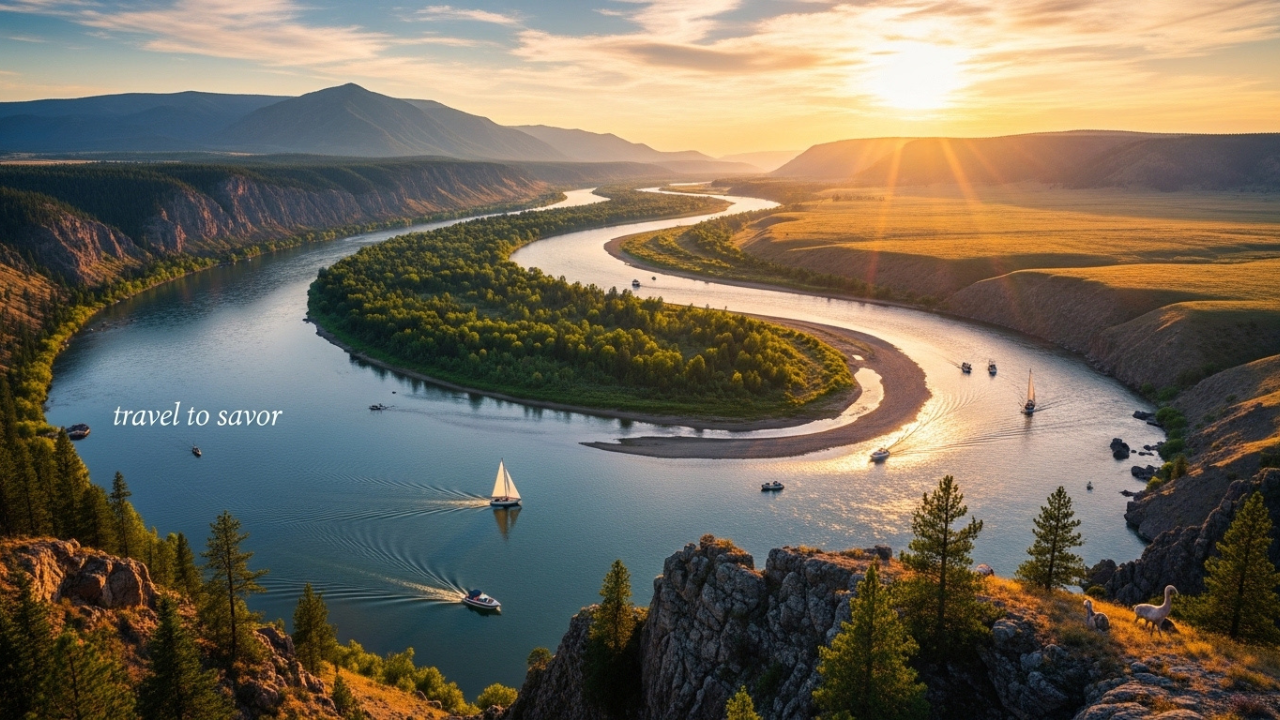
Introduction to the Longest Rivers in the United States
Rivers have always held a special place in our hearts and landscapes. They carve paths through mountains, nourish ecosystems, and serve as vital resources for countless communities. In the United States, some rivers stand out not just for their beauty but also for their impressive lengths—each one telling a unique story of nature’s grandeur and human history. Join us as we embark on an adventure to explore the longest rivers in the U.
S., uncovering fascinating facts and insights about these majestic waterways along the way. Whether you’re an avid traveler or a curious learner, these mighty rivers are sure to inspire awe!
Missouri River:A Detailed Look at the Longest River
The Missouri River stretches an impressive 2,341 miles, making it the longest river in the United States. Originating in Montana’s Rocky Mountains, it winds through several states before joining the Mississippi River near St. Louis.
This vital waterway has played a crucial role in American history and commerce. It served as a critical route for explorers like Lewis and Clark during their famous expedition.
Today, the Missouri is not just significant for its length; it’s also essential for agriculture and transportation. Its banks are lined with towns that thrive on fishing and tourism, showcasing its enduring impact on local communities.
Mississippi River:Insights into the Second-Longest River
The Mississippi River stretches approximately 2,340 miles, making it the second-longest river in the United States. It flows from its source at Lake Itasca in Minnesota to the Gulf of Mexico. Along its journey, it traverses diverse landscapes and ecosystems.
Historically, this river has been a vital artery for trade and transportation. Cities like New Orleans and Memphis thrive on its banks, highlighting cultural significance as well. The Mississippi also holds ecological importance as a habitat for numerous species.
Many consider it an essential symbol of American heritage. Its winding path tells stories of exploration and resilience throughout history.
Yukon River in the U.S: Length and Significance
The Yukon River stretches an impressive 1,980 miles, making it one of the longest rivers in North America. Originating in British Columbia, Canada, it flows through the Yukon Territory and into Alaska. This majestic river is a vital waterway for both people and wildlife.
Historically significant for Indigenous communities, the Yukon has been a source of sustenance and culture for centuries. It played a crucial role during the Klondike Gold Rush in the late 1800s when thousands flocked to its banks seeking fortune.
Today, the river continues to be important for transportation and recreation. Its stunning landscapes attract adventurers from around the world.
Rio Grande River: Exploring Its Length and Importance
The Rio Grande River stretches approximately 1,896 miles, making it one of the longest rivers in the U.
S. Its journey begins in the Rocky Mountains and flows all the way to the Gulf of Mexico. This river serves as a natural boundary between Texas and Mexico.
Beyond its geographical significance, the Rio Grande is vital for agriculture and water supply in both countries. It nourishes vast farmlands, supporting economies that rely on irrigation.
Culturally rich, this river has historical importance tied to indigenous communities and settlers alike. The stories woven along its banks reflect a diverse heritage deeply rooted in American history.
Arkansas River: Unveiling Facts About Its Length
The Arkansas River stretches an impressive 1,469 miles, making it one of the longest rivers in the United States. Its journey begins in Colorado’s Rocky Mountains and flows southeast through Kansas, Oklahoma, and Arkansas before joining the Mississippi River.
This river plays a vital role in both ecology and human activity. It supports diverse wildlife habitats while serving as a crucial waterway for agricultural irrigation and transportation.
Historically significant, the Arkansas River was essential during westward expansion. Today, it remains a focal point for recreation with fishing, boating, and hiking opportunities along its scenic banks.
Colorado River: Length and Impact on the Region
The Colorado River stretches about 1,450 miles through the heart of the American Southwest. It begins in the Rocky Mountains and carves its way through stunning landscapes, including canyons and deserts.
This river is vital for water supply, serving millions of people across several states. Its waters nourish agriculture and sustain urban areas in arid regions.
Additionally, the Colorado River supports diverse ecosystems along its banks. It provides habitats for various wildlife species while offering recreational opportunities like rafting and fishing that draw visitors from around the world.
Red River and Its Unique Characteristics
The Red River winds through the heart of the southern United States. Stretching about 1,290 miles, it forms a natural border between Texas and Oklahoma. This river plays a vital role in agriculture and irrigation.
Rich in history, the Red River has been crucial for Native American tribes long before European settlers arrived. Its waters nourished crops and provided transportation routes.
Ecologically, it’s home to diverse wildlife, including several fish species that thrive in its currents. The river’s unique red hue comes from sediment deposits along its banks, giving it an unmistakable character that captivates visitors.
Columbia River: Length and Ecological Significance
The Columbia River stretches about 1,243 miles, making it one of the longest in the U.
S. It originates in the Rocky Mountains of Canada and flows through several states before reaching the Pacific Ocean. This mighty river serves as a natural border between Washington and Oregon.
Ecologically, the Columbia River is vital for countless species. Salmon rely on its waters for spawning, while diverse habitats support birds and wildlife along its banks. The surrounding ecosystems thrive due to this continuous water source.
Additionally, dams along the river play a crucial role in hydroelectric power generation. They provide energy while also creating recreational opportunities for residents and visitors alike.
Snake River: Understanding Its Length and Role
The Snake River stretches an impressive 1,078 miles, carving its way through the rugged landscapes of the Pacific Northwest. Originating in Wyoming’s Teton Range, it flows through Idaho and into Washington before joining the Columbia River.
This river serves as a vital waterway for agriculture and irrigation, supporting local economies along its banks. Its diverse ecosystems provide habitats for various wildlife species, including salmon and otters.
Recreational opportunities abound on the Snake River. From white-water rafting to fishing adventures, it attracts outdoor enthusiasts seeking thrills amid breathtaking scenery. The river plays a crucial role in both nature and human life.
Ohio River: Length and Historical Significance
The Ohio River stretches approximately 981 miles, making it one of the longest rivers in the U.
S. Historically, it has served as a vital waterway for trade and transportation. This river played a significant role during westward expansion, acting as a gateway to new territories.
Today, it continues to be an essential resource for various industries while supporting diverse ecosystems along its banks. Its rich history intertwines with many communities that flourish alongside this majestic river, showcasing its lasting impact on American culture and economy.
Exploring these remarkable US rivers longest reveals not just their physical dimensions but also their unique narratives woven into the fabric of our nation’s story. Each river tells tales of adventure, commerce, and ecology that are worth celebrating and preserving.