

Introduction to Wildfires in North Carolina
Wildfires have become a pressing concern for many regions across the United States, and North Carolina is no exception. With its lush forests and diverse ecosystems, this beautiful state has witnessed devastating fires that not only scar the landscape but also threaten communities and wildlife. Understanding why these wildfires occur, their impact on our environment, and what we can do to mitigate them is crucial for everyone who calls this place home. Join us as we explore the causes behind these fiery events, how they affect both nature and human life, and the ongoing efforts aimed at preventing their destructive paths while supporting recovery initiatives in affected areas. The story of wildfires in North Carolina is one of resilience—of nature’s fierce power intertwined with community strength.
Causes of Wildfires in North Carolina
Wildfires in North Carolina can ignite for various reasons. One significant factor is dry weather, especially during late summer and fall. When the humidity drops and temperatures rise, vegetation becomes more susceptible to fire.
Human activities also play a crucial role. Campfires left unattended, discarded cigarettes, and even sparks from machinery can trigger flames. The outdoors may seem safe, but negligence can have devastating consequences.
Natural causes are equally impactful. Lightning strikes often spark wildfires in remote areas where they go unnoticed until it’s too late. These fires can spread rapidly if conditions are right.
Additionally, invasive plant species contribute to an increased risk of wildfires. They tend to burn hotter than native plants, creating a perilous environment for both wildlife and communities nearby.
Understanding these causes is vital for prevention efforts throughout the state as we strive to protect our cherished landscapes and neighborhoods from future devastation.
Impact on the Environment and Communities
Wildfires in North Carolina leave a lasting mark on both the environment and local communities. The flames consume vast stretches of forests, altering ecosystems that have thrived for centuries. Wildlife habitats are destroyed, displacing countless species and disrupting delicate balances.
Air quality deteriorates as smoke billows into the atmosphere, posing health risks to nearby residents. Respiratory issues can spike during fire season, impacting vulnerable populations such as children and the elderly.
Communities face not only physical damage but emotional scars as well. Families may lose their homes and cherished possessions in mere moments. The fear of future wildfires lingers long after the last ember fades.
Rebuilding takes time and resources, often stretching thin community support systems. Residents come together to provide relief efforts but challenges remain significant in restoring normalcy amidst ongoing threats from nature’s fury.
Efforts to Prevent and Control Wildfires
Preventing and controlling wildfires in North Carolina requires a multifaceted approach. Education plays a key role. Communities are encouraged to learn about fire safety practices, such as creating defensible spaces around homes.
Controlled burns, also known as prescribed fires, are another effective technique. These carefully managed fires help reduce the amount of fuel available for larger wildfires. By mimicking natural processes, they rejuvenate ecosystems while minimizing risks during dry seasons.
Firefighting resources have seen significant upgrades too. Local teams receive training on the latest equipment and tactics to combat blazes swiftly and efficiently.
Collaboration is vital among state agencies, local governments, and environmental organizations. Together, they develop comprehensive fire management plans that incorporate both prevention strategies and response protocols tailored to specific regions within North Carolina’s diverse landscapes.
Recovery and Rehabilitation Processes for Affected Areas
Recovery from wildfires in North Carolina is a multi-faceted process. It starts with assessing the damage to ensure that all areas impacted receive attention.
Emergency services work tirelessly to clear debris, making it safer for residents and wildlife alike. This involves removing hazardous materials and stabilizing burn scars.
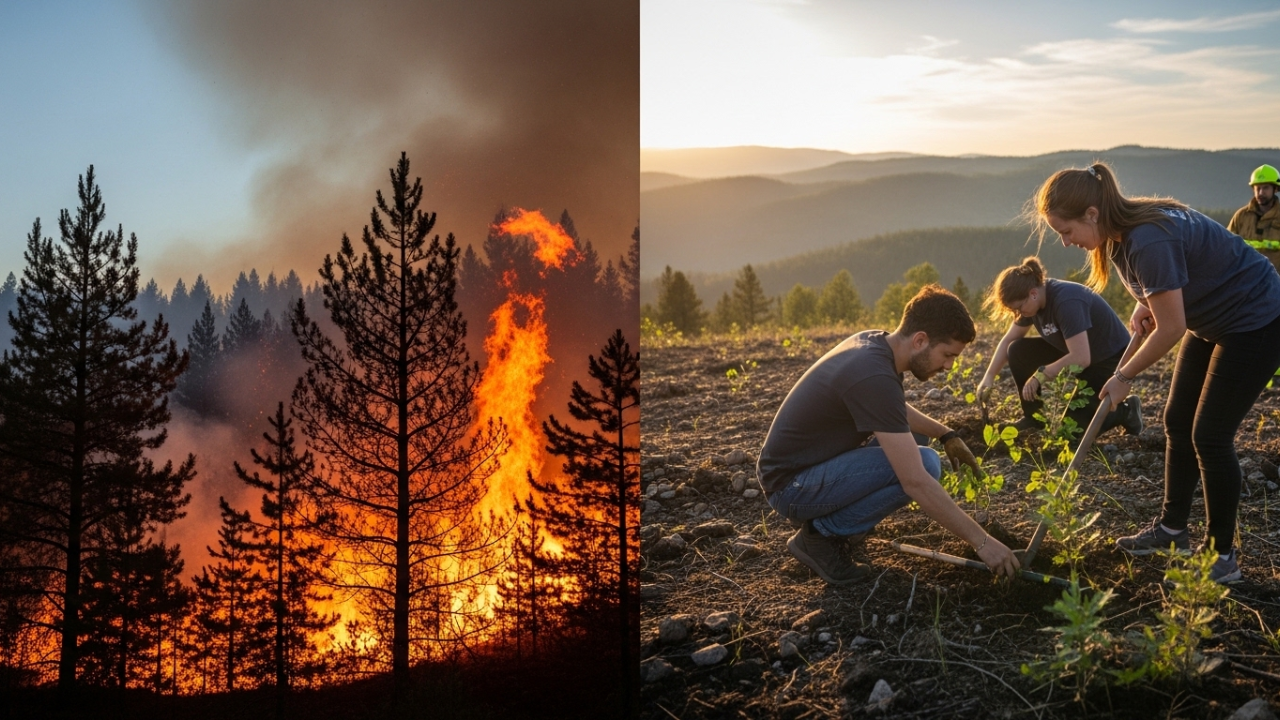
Replanting efforts are crucial as they restore habitats and prevent soil erosion. Local organizations often lead tree-planting campaigns, engaging community members of all ages.
Financial aid plays a significant role too. State agencies provide grants for rebuilding homes and businesses, ensuring affected families can recover financially.
Community resilience shines through during this phase. Neighbors come together to support one another, sharing resources and offering emotional support in times of need.
Long-term strategies focus on sustainable land management practices, aiming to reduce future risks while enhancing the environment’s health post-recovery.
The Role of Community Support in Recovery Efforts
Community support plays a critical role in the recovery journey after wildfires. Neighbors come together to lend a helping hand, sharing resources and emotional strength.
Local organizations often spearhead efforts, organizing donation drives for food, clothing, and essential supplies. These grassroots movements not only provide immediate assistance but also foster unity among residents.
Volunteer teams work tirelessly to clear debris from affected homes and landscapes. Their commitment helps rebuild both physical spaces and community ties that may have been strained by the disaster.
Mental health support is equally important. Community gatherings offer a space for individuals to share their experiences, fostering healing through connection. It’s about rebuilding lives as much as it is about restoring land.
Such collective spirit demonstrates resilience in the face of adversity—showing that communities can rise stronger together amidst challenges like wildfires.
Conclusion: Looking Towards a Safer Future for North Carolina’s Wildfire Season
The landscape of North Carolina is as beautiful as it is diverse. However, the threat of wildfires looms large during certain seasons. With increasing temperatures and prolonged dry spells, the risk continues to rise.
Communities are stepping up, implementing measures to reduce hazards. Education programs help residents understand how they can protect their homes and surroundings. Local fire departments work tirelessly alongside state agencies for better preparedness.
Support from community members plays a vital role in recovery efforts. Neighbors band together after disasters, providing assistance and resources where needed most. This spirit of collaboration strengthens resilience against future wildfire threats.
As we look ahead, it’s clear that awareness and proactive measures will be key in safeguarding our beloved forests and communities from devastating fires. Together, we can create a safer environment for everyone who calls North Carolina home.