
Introduction to the article
Santorini and Mykonos have long been the crown jewels of Greece’s tourism scene. With their stunning sunsets, crystal-clear waters, and iconic whitewashed buildings, these islands draw millions of visitors each year. However, recent reports indicate a downturn in tourist numbers that raises eyebrows. What’s behind this surprising trend? As travelers seek new experiences beyond the usual hotspots, understanding the factors at play is essential for both tourists and locals alike. Let’s dive into what makes Santorini and Mykonos unique while exploring the reasons why they are no longer seeing the same influx of visitors as before.
What is Santorini and Mykonos?
Santorini and Mykonos are two of Greece’s most iconic islands, each with its own unique charm.
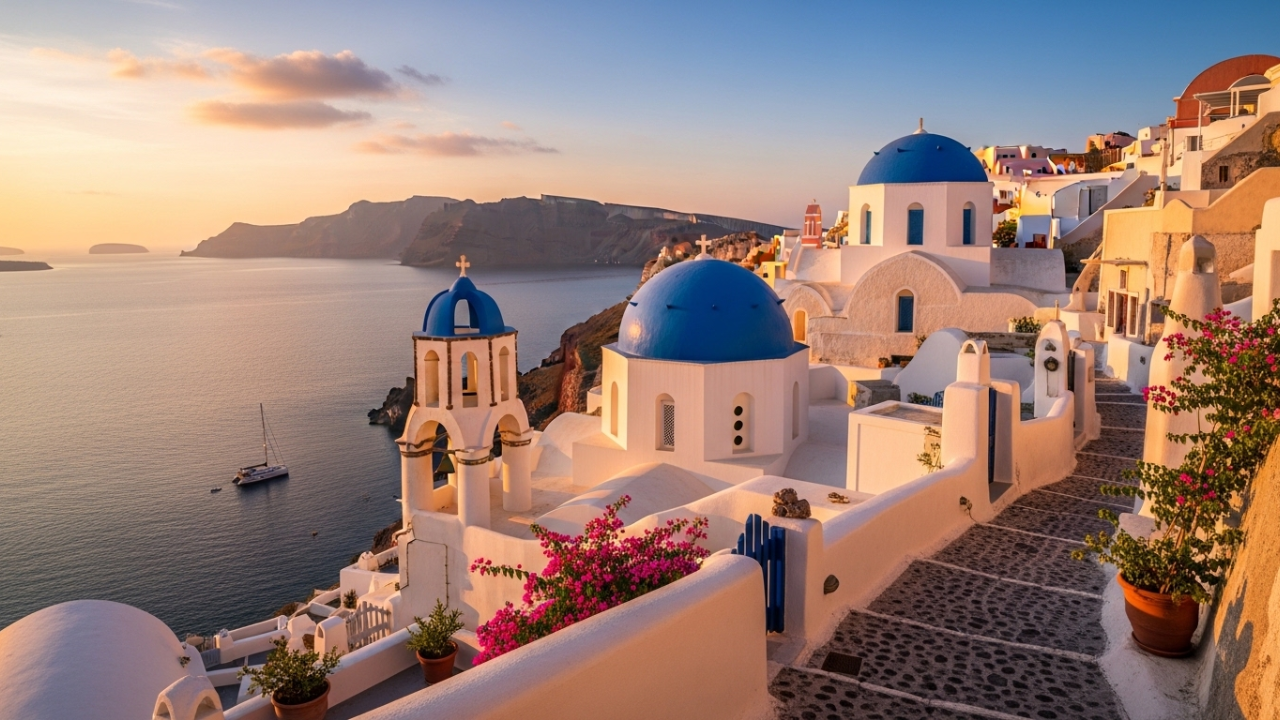
Santorini is famous for its stunning sunsets, whitewashed buildings, and dramatic cliffs overlooking the Aegean Sea. The island’s volcanic history gives it a distinct landscape that captivates visitors. Its picturesque villages like Oia draw couples seeking romance.
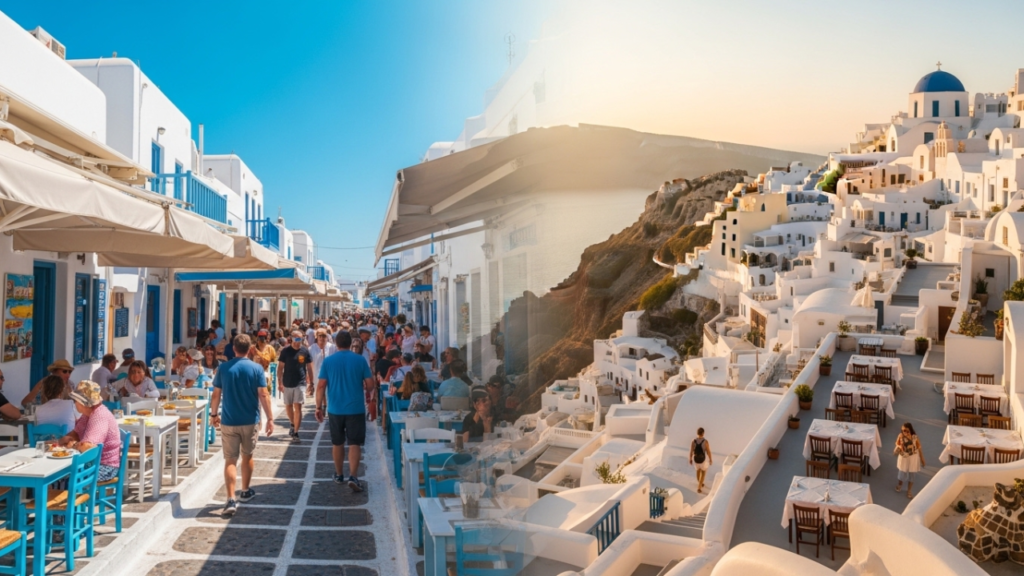
Mykonos, on the other hand, is known for its vibrant nightlife and sandy beaches. This island attracts party-goers from around the globe who come to enjoy beach clubs and lively bars. Beyond the nightlife, Mykonos also offers charming streets adorned with boutiques and art galleries.
Both islands have become synonymous with luxury travel in recent years. Their breathtaking scenery makes them a favorite among travelers looking for idyllic getaways filled with sun-soaked adventures.
The rise of tourism in Greece
Greece has long been a treasure trove for travelers. Its ancient ruins and stunning landscapes attract millions each year. The allure of sun-soaked beaches and rich history creates a magnetic draw.
In recent years, tourism in Greece surged dramatically. With the rise of social media, picturesque spots like Santorini and Mykonos gained international fame. Travelers share breathtaking views with their followers, creating an insatiable demand.
Airlines increased flights to accommodate this growing interest. Cruise ships began including Greek islands as must-visit stops on their itineraries. Tour operators capitalized on this trend by offering unique experiences that embrace local culture.
Despite challenges such as economic fluctuations, the country’s tourist-friendly policies played a crucial role in boosting visitor numbers. Festivals celebrating traditional music and cuisine further enhanced Greece’s appeal, inviting tourists from around the globe to explore its wonders.
Factors contributing to falling tourism numbers
Several factors are influencing the decline in tourism numbers for Santorini and Mykonos. The rising costs of travel, particularly flights and accommodation, have deterred many potential visitors. Budget-conscious travelers often seek alternative destinations that offer similar experiences at a fraction of the price.
Additionally, environmental concerns play a significant role. Overcrowding has strained local resources and led to calls for more sustainable practices. Tourists are becoming increasingly aware of their impact on popular sites.
Political instability in surrounding regions can also create uncertainty among travelers. Even minor geopolitical tensions can lead to decreased interest in visiting Greece’s famed islands.
Changing preferences among millennials and Gen Z have shifted focus towards off-the-beaten-path locations. These generations favor unique experiences over traditional tourist hotspots, prompting a reevaluation of where they spend their holiday time.
Impact on local economy and residents
The decline in tourism has started to ripple through the local economy of Santorini and Mykonos. Small businesses, heavily reliant on seasonal visitors, are feeling the pinch. Many shops and restaurants face dwindling foot traffic, leading to reduced revenues.
Residents who depended on summer jobs are finding fewer opportunities. This can lead to a stark contrast between thriving years and current challenges. The job market becomes tighter as locals seek alternative sources of income.
Real estate prices have fluctuated too. With less demand for vacation rentals, owners may struggle with mortgage payments or maintenance costs.
Families that once thrived during peak seasons now worry about their financial stability year-round. It’s becoming evident that without tourists, life in these picturesque islands is shifting dramatically for the residents who call them home.
Steps being taken to address the issue
Local authorities in both Santorini and Mykonos are recognizing the urgent need to revitalize tourism. They are implementing measures aimed at reducing overcrowding during peak seasons.
One approach includes promoting off-peak travel through discounts and unique experiences. This strategy encourages visitors to explore these islands outside of the summer rush.
Additionally, there’s a push for sustainable tourism practices. Businesses are being educated on eco-friendly methods, which not only preserve natural beauty but also enhance visitor experience.
Investment in infrastructure is another crucial step. Improving public transportation can alleviate pressure from congested areas while making it easier for tourists to access hidden gems away from tourist hotspots.
Community involvement plays a significant role as well. Residents are encouraged to share their local knowledge with visitors, fostering authentic connections that benefit everyone involved.
Alternative destinations for travelers in Greece
While Santorini and Mykonos often steal the spotlight, Greece is brimming with hidden gems waiting to be explored.
Consider Naxos, known for its stunning beaches and rich history. The island offers a mix of ancient ruins and vibrant local culture without the throngs of tourists.
Another great option is Crete, the largest Greek island. With diverse landscapes ranging from mountains to beautiful coastlines, it caters to every type of traveler. You can explore archaeological sites or indulge in delicious Cretan cuisine.
For those seeking tranquility, head to Milos. This lesser-known island boasts spectacular volcanic landscapes and pristine beaches that are perfect for relaxation.
Don’t overlook Hydra. This charming car-free island features picturesque streets lined with historic mansions and art galleries that invite leisurely exploration. Each destination presents a unique experience beyond the well-trodden paths of Santorini and Mykonos.
Conclusion: The importance of sustainable tourism for popular destinations
As tourism numbers in Santorini and Mykonos continue to decline, it becomes increasingly clear that the future of these iconic destinations hinges on sustainable practices. The charm of these islands has long attracted visitors from around the world, but unchecked growth can harm their unique environments and local cultures.
Sustainable tourism emphasizes balance. It encourages travelers to enjoy what Santorini and Mykonos have to offer while also protecting their natural beauty for generations. This includes promoting eco-friendly accommodations, supporting local businesses, and respecting cultural heritage.
For both tourists and residents alike, a focus on sustainability ensures that these beloved locales do not become victims of over-tourism. Rebuilding trust with travelers will require innovative solutions that prioritize preservation over profit.
Fostering an appreciation for responsible travel can revitalize interest in Santorini and Mykonos without compromising their essence. Embracing this approach is essential for maintaining the allure of Greece’s premier island destinations amidst evolving travel trends.