
INTRODUCTION
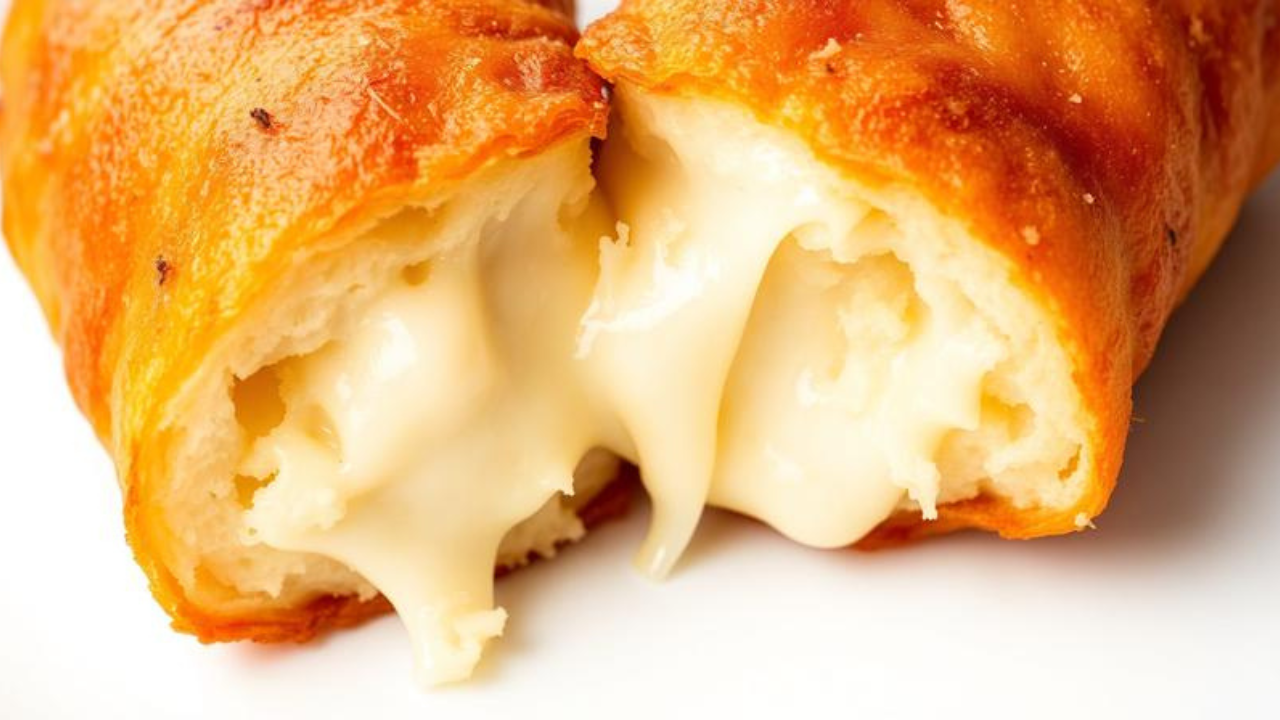
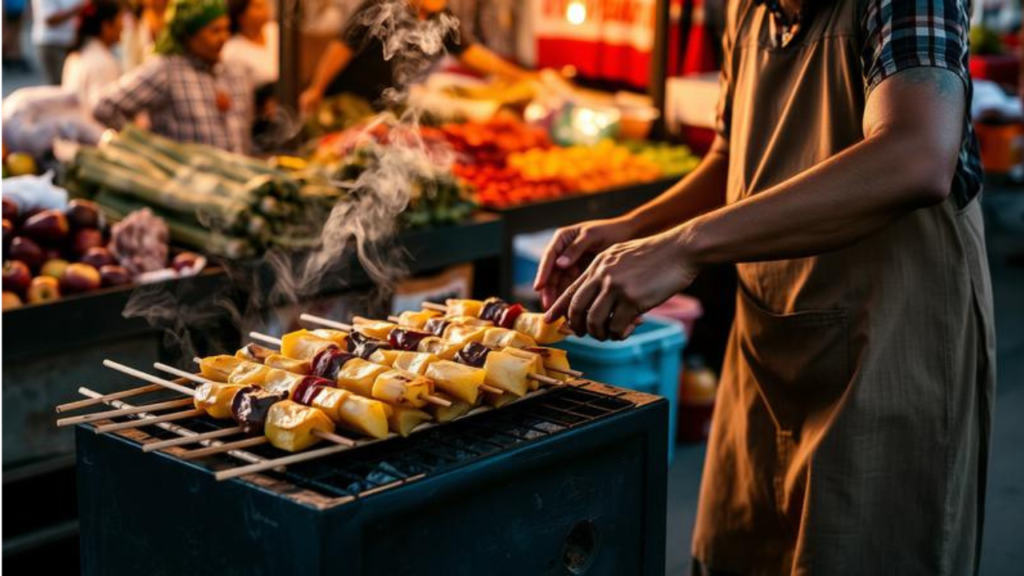
Picture this: you’re wandering through the bustling streets of Santa Cruz, Bolivia, when a smoky, cheesy aroma stops you in your tracks. You follow your nose to a small street stall where a vendor is grilling golden, elongated balls of cassava and cheese on bamboo skewers over glowing charcoal. That, my friend, is the magic of Sonso de Yuca —and you’re about to embark on a delicious journey to find the best versions on the planet.
If you’ve never heard of Sonso de Yuca, you’re in for a treat. This traditional Bolivian street food is a crispy-on-the-outside, fluffy-on-the-inside snack made from mashed cassava (yuca) and local cheese, often grilled, baked, or fried to golden perfection. But where in the world can you find the absolute best Sonso de Yuca? That’s exactly what we’re going to uncover in this guide.
In this article, you’ll learn everything you need to know about this mouthwatering dish: what it is, where it comes from, the different ways it’s prepared, and—most importantly—the best places to eat Sonso de Yuca, from Bolivia’s street food scene to hidden gems in other countries. Whether you’re a seasoned foodie planning your next trip or a curious home cook looking to recreate this cheesy delight, this guide has you covered. Let’s dive in!
TABLE OF CONTENTS
-
What Is Sonso de Yuca? (Clear Definition)
-
The History and Origin of Sonso de Yuca
-
Key Features, Types, and Varieties of Sonso de Yuca
-
Why You Need to Try Sonso de Yuca (Benefits)
-
How to Find and Enjoy Sonso de Yuca — Step by Step
-
Common Myths vs. Facts About Sonso de Yuca
-
Expert Tips for the Best Sonso de Yuca Experience
-
Frequently Asked Questions About Sonso de Yuca
-
Final Verdict: Is Sonso de Yuca Worth the Hype?
What Is Sonso de Yuca? (Clear Definition)
Let’s start with the basics. Sonso de Yuca (sometimes spelled sonzo de yuca) is a traditional Bolivian dish made primarily from cassava—a starchy, nutty-flavored root vegetable also known as yuca or manioc—and cheese. It’s a beloved street food and snack that has been warming the hearts (and stomachs) of Bolivians for generations.
The name “sonso” might make you chuckle—in Spanish, it can mean “foolish” or “silly”. But there’s nothing silly about this dish. The name likely refers to the simple, humble nature of the snack, which uses just a handful of ingredients to create something truly special.
So, what exactly goes into Sonso de Yuca? The classic recipe calls for cassava that’s peeled, boiled until tender, and mashed into a smooth puree. This is then mixed with generous amounts of grated cheese—traditionally a local semi-hard cheese like queso criollo, chaqueño, or menonita. Butter, milk, eggs, and a pinch of salt are often added to bind everything together and enrich the flavor.
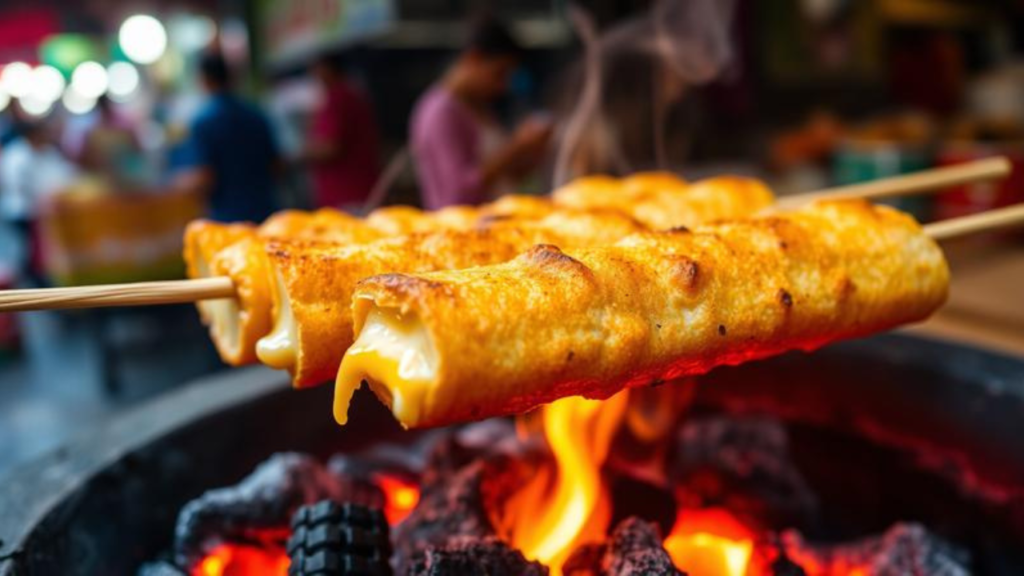
The magic happens when this mixture is shaped—typically into small balls or ovals—and cooked. Traditionalists swear by grilling the dough on bamboo skewers over charcoal, which gives it that irresistible smoky flavor and a crispy exterior. But you’ll also find versions that are baked in a casserole dish or fried like patties.
The result? A snack that’s crispy and golden on the outside, yet soft, cheesy, and pillowy on the inside. The cassava provides a subtle sweetness and earthy undertone, while the cheese adds richness and a slight saltiness. It’s comfort food at its finest—simple, satisfying, and utterly delicious.
Sonso de Yuca is typically enjoyed as an afternoon treat, often paired with a steaming cup of coffee or hot chocolate. It’s the perfect pick-me-up during the traditional Bolivian siesta hour.
The History and Origin of Sonso de Yuca
To truly appreciate Sonso de Yuca, you need to understand where it comes from. This dish is deeply rooted in the culinary traditions of eastern Bolivia, particularly in the departments of Santa Cruz, Beni, and Pando.
Cassava itself has a fascinating history. This tropical root crop was first domesticated in southern Brazil thousands of years ago and quickly became a staple food for indigenous peoples across South America. Its ability to thrive in poor soils and withstand drought made it an invaluable food source. Over time, cassava spread to other tropical regions like Africa and Asia through colonization and trade.
In Bolivia, cassava was traditionally boiled and eaten as a simple side dish. But as culinary creativity flourished, people began experimenting with new ways to prepare this humble root. Enter Sonso de Yuca. This dish likely emerged from the street food culture of Santa Cruz, where vendors would take leftover mashed cassava, mix it with cheese, and grill it over open fires.
The result was so popular that it became a staple of Bolivian street food. Over time, Sonso de Yuca evolved into the snack we know today, with different regions and families adding their own twists.
One of the most exciting developments in Sonso de Yuca’s history is the Festival del Sonso, which has been held annually in Santa Cruz since 2002. Organized by the Asociación de Cabañas del Río Piraí, this festival celebrates all things Sonso de Yuca and has become a major tourist attraction. At the festival, you can watch teams compete to make the longest Sonso de Yuca—in 2023, they set a record with an 8-meter-long version! In 2024, they aimed to break that record with an even longer sonso. The festival also features traditional games, live music, and, of course, free Sonso de Yuca for everyone.
This annual celebration has helped keep the tradition alive and introduced Sonso de Yuca to a new generation of food lovers. It’s a testament to the enduring appeal of this simple yet delicious snack.
Key Features, Types, and Varieties of Sonso de Yuca
Sonso de Yuca might seem like a simple dish, but there’s more variety to it than you might think. Let’s break down the key features and the different types you can find.
The Classic Grilled Sonso de Yuca (A la Brasa)
This is the gold standard. The dough—made from mashed cassava, cheese, butter, milk, and eggs—is shaped into small ovals or cylinders around bamboo skewers. These are then grilled over smoldering charcoal until the outside turns golden and crispy. The grilling process imparts a wonderful smoky flavor that perfectly complements the sweet, nutty taste of the cassava and the salty richness of the cheese. This is the version you’ll find at street stalls in Santa Cruz, and it’s the one that most Bolivians consider the authentic experience.
Baked Sonso de Yuca (Al Horno)
If you’re not near a grill, the baked version is a fantastic alternative. The same dough is pressed into a baking dish and baked until the top is golden and slightly crispy. The inside remains soft, creamy, and full of cheesy goodness. Baked Sonso de Yuca is often served as a side dish or a main course, accompanied by a simple salad or rice. It’s a popular choice in homes and restaurants because it’s easier to prepare in large quantities.
Fried Sonso de Yuca (Frito)
For those who love a good crunch, fried Sonso de Yuca is a game-changer. The dough is shaped into patties or small balls and fried in oil until golden and crispy all over. The frying process creates a wonderfully crunchy exterior while keeping the inside soft and gooey. This version is sometimes compared to a cheesy pancake or fritter. It’s a popular street food option and a great choice if you’re looking for a quick, satisfying snack.
The Giant Sonso (Sonso Gigante)
At the Festival del Sonso in Santa Cruz, you’ll witness the most impressive variety of all: the giant Sonso. Teams work together to create massive versions of this dish, stretching up to 8 meters long. While this is more of a spectacle than a practical meal, it showcases the communal spirit and pride that Bolivians have for this dish.
Regional and Family Variations
Just like any beloved traditional dish, Sonso de Yuca has countless regional and family variations. Some families add a pinch of achiote (annatto) for color. Others might use different types of cheese—mozzarella and Gouda are popular choices outside Bolivia. The ratio of cassava to cheese can also vary, with some versions being extra cheesy and others letting the cassava shine.
Here’s a quick comparison of the three main cooking methods:
| Feature | Grilled (A la Brasa) | Baked (Al Horno) | Fried (Frito) |
|---|---|---|---|
| Texture | Crispy outside, soft inside | Golden top, creamy inside | Crispy all over, soft inside |
| Flavor | Smoky, cheesy, earthy | Rich, buttery, cheesy | Rich, savory, crunchy |
| Cooking Method | Over charcoal on skewers | In an oven or casserole | Deep-fried or pan-fried |
| Best For | Authentic street food experience | Home cooking, side dish | Quick snack, crispy cravings |
Why You Need to Try Sonso de Yuca (Benefits)
Okay, so Sonso de Yuca sounds delicious. But why should you go out of your way to try it? Here are a few compelling reasons.
1. It’s a Unique Cultural Experience
Sonso de Yuca isn’t just food; it’s a window into Bolivian culture and history. Eating this dish connects you to generations of Bolivians who have enjoyed it as a daily snack and a celebration food. Whether you’re buying it from a street vendor in Santa Cruz or attending the Festival del Sonso, you’re participating in a tradition that has been passed down for decades.
2. The Flavor Combination is Unbeatable
The combination of sweet, nutty cassava and salty, creamy cheese is a match made in culinary heaven. Add in the smoky flavor from the grill, and you have a snack that’s complex, satisfying, and utterly addictive. It’s comfort food that hits all the right notes.
3. It’s Naturally Gluten-Free
If you’re following a gluten-free diet, Sonso de Yuca is a fantastic option. Cassava is naturally gluten-free, making this dish a safe and delicious choice for those with celiac disease or gluten sensitivities. It’s a great alternative to wheat-based snacks.
4. Cassava is a Nutritious Staple
Cassava is a good source of carbohydrates, providing energy and fiber. It also contains some essential vitamins and minerals, including vitamin C, thiamine, and folate. While Sonso de Yuca is certainly an indulgent treat (thanks to the cheese and butter), it does offer some nutritional benefits.
5. It’s Versatile and Accessible
One of the best things about Sonso de Yuca is its versatility. You can enjoy it as a street food snack, a side dish, or even a main course. And with the growing popularity of Latin American cuisine, it’s becoming easier to find Sonso de Yuca outside of Bolivia—or to make it at home.
6. It’s Part of a Global Food Trend
According to recent food trend reports, there’s a growing global interest in authentic, regional dishes. People are moving away from generic “international” food and seeking out unique, traditional experiences. Sonso de Yuca fits perfectly into this trend. It’s a dish that tells a story, and food lovers are eager to listen.
How to Find and Enjoy Sonso de Yuca — Step by Step
Ready to hunt down the best Sonso de Yuca? Follow this step-by-step guide to find and enjoy this incredible dish, no matter where you are in the world.
Step 1: Book a Flight to Bolivia (The Ultimate Destination)
For the most authentic and unforgettable Sonso de Yuca experience, you need to go straight to the source: Bolivia. Specifically, head to the eastern departments of Santa Cruz, Beni, and Pando. These are the heartlands of Sonso de Yuca, where you’ll find it everywhere.
Where to go in Santa Cruz:
-
Street Stalls: This is where the magic happens. Look for vendors grilling Sonso de Yuca on bamboo skewers over charcoal. You’ll find them in busy markets, near parks, and along main streets. Just follow the smoky, cheesy aroma.
-
Mercado Los Pozos: This bustling market in Santa Cruz is a great place to try Sonso de Yuca alongside other Bolivian street food favorites.
-
Cabañas del Río Piraí: If you’re visiting during the Festival del Sonso (usually in September), this is the place to be. You can sample giant versions of the dish and enjoy a festive atmosphere.
Other Bolivian cities: You can also find Sonso de Yuca in other cities like Montero and Trinidad, though Santa Cruz is the undisputed capital.
Step 2: Look for Latin American Restaurants in Your City
Can’t make it to Bolivia just yet? Don’t worry. Sonso de Yuca is becoming more available outside of South America. Your best bet is to search for Colombian, Venezuelan, or general Latin American restaurants in your area.
Pro tip: Don’t just search for “Sonso de Yuca” on Google Maps. Search for “Colombian restaurant” or “Latin American restaurant” and then check their menus online or call ahead to ask if they serve it.
Step 3: Check Menus and Call Ahead
Once you’ve identified a few potential restaurants, do your homework. Visit their websites or social media pages to look at their menus. Look for “Sonso de Yuca,” “Sonso,” or “Cassava and Cheese Bread.” If you don’t see it listed, don’t be afraid to call and ask. Restaurant staff can tell you if they have it on the menu, and they might even let you know when it’s freshest.
Step 4: Join Online Food Communities
Foodies are a passionate bunch, and they love to share their discoveries. Join Facebook groups, Reddit forums, or local foodie communities dedicated to Latin American cuisine. Search for posts about Sonso de Yuca in your city, or create your own post asking for recommendations. People in these communities often know the best hidden gems that don’t show up on mainstream review sites.
Step 5: Attend Latin American Food Festivals and Pop-Ups
Keep an eye out for Latin American food festivals, street food markets, and specialty pop-ups in your area. These events are fantastic opportunities to try authentic dishes from different countries, and you might just stumble upon a vendor serving Sonso de Yuca.
Step 6: Try Making It at Home
If all else fails, you can always make Sonso de Yuca in your own kitchen. It’s a surprisingly simple recipe that yields delicious results. Here’s a basic recipe to get you started:
Ingredients:
-
1 kg of cassava (yuca)
-
250–300 g of semi-hard cheese (like queso fresco, mozzarella, or Gouda), grated
-
2 tablespoons of butter
-
1 egg (optional)
-
¼ cup of milk (optional)
-
Salt to taste
Instructions:
-
Peel the cassava and cut it into cubes. Boil in salted water until tender (about 20 minutes).
-
Drain the cassava and mash it while it’s still hot (this prevents lumps).
-
In a large bowl, combine the mashed cassava, grated cheese, butter, egg, milk, and salt. Mix until you have a smooth, cohesive dough.
-
Shape the dough into small ovals or patties.
-
To grill: Skewer the ovals onto bamboo sticks and grill over charcoal or a grill pan until golden and crispy.
-
To bake: Press the dough into a greased baking dish and bake at 190°C (375°F) until golden on top.
-
To fry: Shape the dough into patties and fry in hot oil until golden and crispy on both sides.
Step 7: Savor It Like a Local
However you find your Sonso de Yuca, make sure to enjoy it the traditional way: hot and fresh, with a cup of coffee or hot chocolate on the side. The bitter notes of the coffee or the sweetness of the chocolate perfectly balance the richness of the dish.
Common Myths vs. Facts About Sonso de Yuca
Let’s clear up some common misconceptions about this beloved dish.
Myth 1: Sonso de Yuca is the same as other cassava dishes.
Fact: While Sonso de Yuca shares ingredients with other cassava-based dishes like pan de yuca (cassava cheese bread) or carimañolas (Colombian yuca fritters), it’s distinct in its preparation and texture. Pan de yuca uses cassava starch (tapioca flour) and is more like a bread roll. Carimañolas are typically fried and filled with meat. Sonso de Yuca uses mashed cassava, giving it a denser, more substantial texture, and it’s often grilled on a skewer.
Myth 2: It’s only found in Bolivia.
Fact: Sonso de Yuca is undeniably Bolivian in origin, but its popularity has spread. You can now find it in some Colombian and Venezuelan restaurants, as well as in Latin American eateries in major cities around the world.
Myth 3: Making it at home is too difficult.
Fact: Not at all! The recipe is surprisingly simple, requiring just a few ingredients and basic cooking skills. The most time-consuming part is boiling and mashing the cassava. From there, it’s a breeze.
Myth 4: All Sonso de Yuca tastes the same.
Fact: The beauty of Sonso de Yuca lies in its variations. The type of cheese used, the ratio of cheese to cassava, and the cooking method all affect the final flavor and texture. Grilled versions have a smoky flavor, baked versions are creamier, and fried versions are extra crispy.
Myth 5: Cassava is dangerous to eat.
Fact: Raw cassava does contain cyanogenic glycosides, which can be toxic if consumed in large quantities. However, proper cooking (boiling, baking, frying, or grilling) destroys these compounds, making cassava perfectly safe to eat.
Expert Tips for the Best Sonso de Yuca Experience
Want to take your Sonso de Yuca game to the next level? Here are some expert tips to ensure you get the best possible experience.
1. Prioritize Freshness
Whether you’re buying it from a street vendor or making it at home, freshness is key. The best Sonso de Yuca is served hot off the grill or straight from the oven. The contrast between the crispy exterior and the soft, gooey interior is at its peak when it’s fresh. If it’s been sitting around, it can become dry and lose its magic.
2. Choose the Right Cheese
The cheese you use makes a huge difference. In Bolivia, traditional cheeses like queso criollo, chaqueño, or menonita are used. These are semi-hard cheeses with a mild, slightly salty flavor that melts beautifully. If you can’t find these, a good-quality mozzarella or Gouda is a great substitute. Avoid using cheese that’s too sharp or overpowering, as it can mask the delicate flavor of the cassava.
3. Get the Cassava-to-Cheese Ratio Right
This is the golden rule of Sonso de Yuca. Too much cassava, and the dish will be dry and bland. Too much cheese, and it will be greasy and fall apart. A good rule of thumb is to use about 250–300 grams of cheese for every 1 kg of cassava. This gives you a perfect balance of flavors and textures.
4. Don’t Skip the Butter
Butter adds richness, moisture, and a wonderful flavor to the dough. Don’t be tempted to leave it out or substitute it with oil. The butter helps bind the ingredients and contributes to that creamy, melt-in-your-mouth texture.
5. Mash the Cassava While It’s Hot
This is a crucial tip for a smooth, lump-free dough. If you let the cassava cool down before mashing, it will become starchy and difficult to work with. Mash it immediately after draining, while it’s still steaming.
6. Season Generously
Cassava has a mild, slightly sweet flavor that benefits from a good amount of salt. Don’t be shy with the salt—it helps bring out the flavors of the other ingredients. Taste the dough before cooking and adjust the seasoning as needed.
7. Pair It with the Perfect Beverage
As mentioned earlier, the traditional pairing is a hot cup of coffee or hot chocolate. The bitterness of the coffee cuts through the richness of the dish, while the sweetness of the hot chocolate complements the savory, cheesy flavors. If you’re feeling adventurous, try it with a cup of api (a traditional Bolivian purple corn drink) or chicha (a fermented corn beverage).
8. Experience It at the Festival
If you’re lucky enough to be in Santa Cruz during the Festival del Sonso, don’t miss it. This is the ultimate Sonso de Yuca experience. You’ll get to see giant versions of the dish, sample different styles, and enjoy a lively, festive atmosphere.
Frequently Asked Questions About Sonso de Yuca
1. What does “sonso” mean?
In Spanish, “sonso” can mean “foolish” or “silly.” The name is thought to refer to the simple, humble nature of the dish, which uses just a few basic ingredients to create something delicious. It’s a term of endearment for this unpretentious yet beloved snack.
2. Is Sonso de Yuca the same as pan de yuca?
No, they are different dishes. Pan de yuca is a type of cheese bread made with cassava starch (tapioca flour), giving it a light, airy, and bread-like texture. Sonso de Yuca uses mashed cassava, resulting in a denser, more substantial texture. It’s also typically grilled on a skewer, while pan de yuca is usually baked into small rolls.
3. Can I freeze Sonso de Yuca?
Yes, you can freeze both the uncooked dough and the cooked Sonso de Yuca. To freeze the dough, shape it into portions, wrap them tightly in plastic wrap, and place them in a freezer-safe bag. When you’re ready to cook, thaw them in the refrigerator overnight and then grill, bake, or fry as usual. To freeze cooked Sonso de Yuca, let it cool completely, wrap it, and freeze. Reheat in the oven or on a grill to restore its crispy texture.
4. What are the best drinks to pair with Sonso de Yuca?
Traditionally, Sonso de Yuca is enjoyed with a hot cup of coffee or hot chocolate. The bitterness of the coffee or the sweetness of the chocolate beautifully balances the rich, savory flavors of the dish. You can also try it with api (a warm, spiced purple corn drink) or a refreshing fruit juice.
5. Is Sonso de Yuca gluten-free?
Yes, Sonso de Yuca is naturally gluten-free because it’s made from cassava, which is a gluten-free root vegetable. However, always check the ingredients if you’re buying it from a restaurant or street vendor, as cross-contamination could occur in the kitchen. If you’re making it at home, you can be 100% sure it’s gluten-free.
6. When is the best time to eat Sonso de Yuca?
In Bolivia, Sonso de Yuca is traditionally enjoyed as an afternoon snack, often during the siesta hours. It’s the perfect pick-me-up to get you through the rest of the day. Of course, there’s no wrong time to eat it—it makes a great breakfast, lunch, dinner, or late-night snack too!
7. Where can I find the Festival del Sonso?
The Festival del Sonso is held annually in Santa Cruz, Bolivia, at the Cabañas del Río Piraí. It usually takes place in September. The festival has been running since 2002 and features giant versions of the dish, traditional games, and lots of free samples.
Final Verdict: Is Sonso de Yuca Worth the Hype?
Absolutely. Without a doubt. Sonso de Yuca is more than just a snack—it’s a cultural icon, a taste of Bolivian history, and a testament to the beauty of simple, honest cooking.
From the smoky, grilled versions sold by street vendors in Santa Cruz to the crispy, fried patties enjoyed in homes across Bolivia, this dish has captured the hearts (and stomachs) of countless food lovers. Its unique combination of textures—crispy on the outside, soft and cheesy on the inside—and its perfect balance of sweet, savory, and smoky flavors make it an unforgettable culinary experience.
But what truly sets Sonso de Yuca apart is its authenticity. In a world of mass-produced, generic food, Sonso de Yuca is a reminder of the power of tradition and the joy of eating something made with care and pride. It’s a dish that connects you to a place, a people, and a way of life.
So, is it worth traveling across the world to try? Yes. Is it worth seeking out in your own city? Absolutely. Is it worth making in your own kitchen? 100%.
Whether you’re planning a trip to Bolivia, scouring the menus of Latin American restaurants, or rolling up your sleeves to make it yourself, make sure Sonso de Yuca is on your culinary bucket list. Trust us—your taste buds will thank you.
CALL TO ACTION
Have you ever tried Sonso de Yuca? Or are you planning to seek it out after reading this guide? We’d love to hear about your experiences! Drop a comment below and tell us where you had the best Sonso de Yuca—or share your own tips for finding this delicious dish.
If you enjoyed this article, don’t forget to share it with your fellow food lovers! And be sure to check out our other posts on [ Latin American Street Food Guide]
Happy eating, and may your Sonso de Yuca always be perfectly crispy and delightfully cheesy!