
Introduction
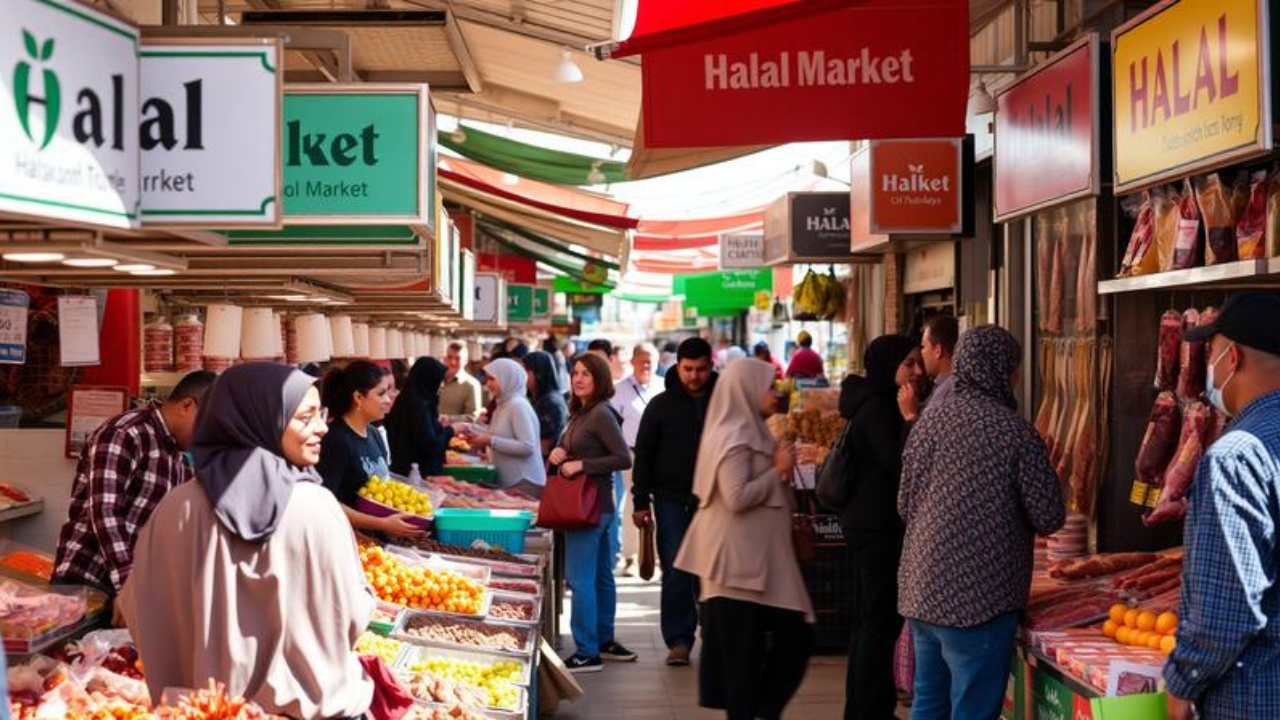
Did you know the global halal market is worth over $2 trillion? And right here in Nebraska, the halal market Omaha offers is growing faster than ever. Whether you’re a Muslim resident, a curious foodie, or a business owner looking to tap into this booming industry, you’ve come to the right place.
The halal market Omaha has expanded dramatically in recent years. From specialty grocery stores to major retailers, halal products are becoming increasingly accessible across the city. But with growth comes questions: What exactly is halal certification? Who oversees it? And how can you be sure what you’re buying is authentic?
In this guide, we’ll explore everything you need to know about the halal market Omaha offers in 2026. We’ll cover Halal Transactions of Omaha – the city’s premier halal certifier – answer common questions about legitimacy and slaughter methods, and help you navigate the local halal food scene with confidence. Let’s get started.
Table of Contents
- What Is the Halal Market Omaha?
- Why Does the Halal Market Matter?
- Halal Market Omaha – Key Facts and Players
- How To Find Halal Products in Omaha
- Common Myths About Halal Certification
- Expert Tips for Navigating the Halal Market
- Frequently Asked Questions
- Conclusion
What Is the Halal Market Omaha?
The halal market Omaha refers to the entire ecosystem of businesses, certifiers, and consumers involved in producing, distributing, and purchasing halal products in the Omaha metropolitan area.
Think of it like a farmers market – but instead of just fruits and vegetables, it includes everything from meat and poultry to cosmetics and pharmaceuticals. At the center of this market is Halal Transactions of Omaha (HTO) , the city’s leading halal certification body.
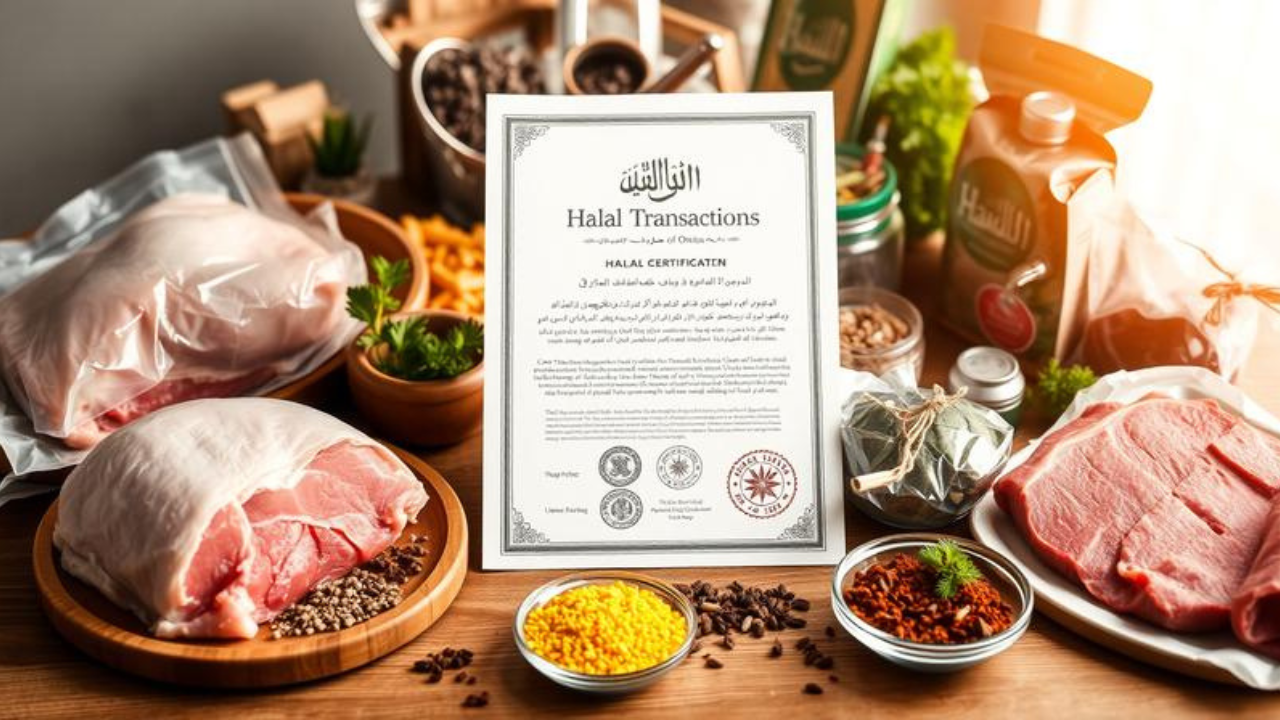
Halal Transactions of Omaha has been incorporated in Nebraska since 1992. They’re the first halal certifier in the Western Hemisphere to earn ISO/IEC 17065 accreditation. That means they follow international quality standards that are recognized worldwide.
Here’s a simple analogy: Imagine you’re buying organic produce. You trust the “USDA Organic” label because you know it means something. Halal Transactions of Omaha provides the same level of trust for halal products. They certify everything from meat and poultry to beverages, cosmetics, pharmaceuticals, and even leather and textiles.
The halal market Omaha serves not just the local Muslim community, but also the nearly 2 billion Muslims worldwide who rely on authentic halal certification. And as more non-Muslims discover the health and ethical benefits of halal products, this market continues to grow.
Why Does the Halal Market Matter?
You might wonder why the halal market Omaha matters beyond religious observance. Here are six compelling reasons:
- Massive economic opportunity – The global halal market is valued at over $2 trillion annually. For Omaha businesses, halal certification opens doors to export markets in Muslim-majority countries and domestic sales to the growing American Muslim population.
- 1.8 billion consumers – Muslims make up nearly a quarter of the world’s population. By 2050, they’ll represent one-third of all global consumers. Ignoring this demographic is bad business.
- Health benefits – Halal standards require cleanliness and compassion in food preparation. When animals are slaughtered humanely, fewer stress hormones enter the meat. Many non-Muslims choose halal products for these health reasons.
- Growing US market – The domestic halal market in the United States is valued at over $10 billion annually. American Muslims are young, affluent, and highly observant about halal certification.
- International trade – Countries like Indonesia, Saudi Arabia, and the UAE require halal certification for imported food products. HTO certificates are accepted in over 50 Muslim countries.
- Third-party verification builds trust – Without independent certification, how would you know a product is truly halal? Halal Transactions of Omaha provides that crucial accountability.
The bottom line? Halal certification isn’t just a religious requirement – it’s a business imperative in today’s global economy. And Halal Transactions of Omaha is one of the most trusted names in the industry.
Halal Market Omaha – Key Facts and Players
Let’s break down the key players and facts shaping the halal market Omaha in 2026.
Halal Transactions of Omaha (HTO)
Halal Transactions of Omaha is the city’s premier halal certifier. Here’s what makes them stand out:
Omaha Halal Grocers and Markets
The halal market Omaha offers a variety of shopping options:
- Omaha Halal Live Market – Located at 4823 S 27th St, this certified halal establishment offers fresh poultry and livestock including chickens, lambs, sheep, goats, and cows. Customers can inspect animals before purchase, ensuring transparency and quality.
- Halal Meats & Market – At 8601 Blondo Street, this market has a halal certificate clearly visible on the premises and offers everything from candies to staple goods.
- Farm Fresh Market – Located at 1115 S 119th St, this trusted halal meat and grocery store offers high-quality halal meats, fresh produce, and international food items.
- Whole Foods Market – Select locations now offer halal products, including the Saffron Road brand.
- Restaurant Depot – Sells halal meats in bulk, including hand-cut (zabihah) chicken and frozen halal products.
The Abdullah Nana Connection
You might have seen the name Abdullah Nana associated with halal transactions. Abdullah Nana is a widely respected research scholar in halal and Islamic finance. While he’s not directly affiliated with HTO as a staff member, his work in the broader halal ecosystem is worth knowing if you’re researching the halal market Omaha.How To Find Halal Products in Omaha
Finding halal products in Omaha is easier than ever. Here’s a step-by-step guide:
Step 1: Check for certification logos. Look for the Halal Transactions of Omaha logo or other recognized halal certification marks on packaging. This is your guarantee that the product has been independently verified.
Step 2: Visit specialty halal grocers. Places like Omaha Halal Live Market, Halal Meats & Market, and Farm Fresh Market specialize in halal products. These stores are your best bet for a wide selection.
Step 3: Explore mainstream retailers. Major chains like Whole Foods Market and Hy-Vee now carry halal products at select locations. Call ahead to confirm availability.
Step 4: Use online resources. Websites like Zabihah com list halal restaurants and grocery stores in Omaha. You can filter by location and certification status.
Step 5: Ask questions. Don’t be shy about asking store staff about halal certification. At Halal Meats & Market, a halal certificate is clearly visible on the premises. If you don’t see one, ask to see it.
Step 6: Download halal apps. Apps like eHalal io help you find certified halal products, ingredients, and trade opportunities.
Common Myths About Halal Certification
Let’s bust some myths about the halal market Omaha and halal certification in general.
Myth #1: “Halal certification is only for meat.”
Truth: Absolutely not. Halal Transactions of Omaha certifies everything from cosmetics to pharmaceuticals to textiles. If it’s consumed or used by humans, it can be certified halal.
Myth #2: “Halal Transactions of Omaha isn’t legitimate.”
Truth: Halal Transactions of Omaha is highly legitimate. They hold a BBB A+ rating, are ISO/IEC 17065 accredited, and are recognized by Muslim authorities worldwide. They’ve been operating since 1992.
Myth #3: “Halal certification is the same as Kosher.”
Truth: There are similarities, but they’re not identical. In halal slaughter, the Tasmiyah prayer is pronounced on each animal. In Kosher, the prayer is usually said once per session. Halal doesn’t require the lung and viscera exams that Kosher does.
Myth #4: “The halal market in Omaha is tiny.”
Truth: The halal market Omaha offers is growing rapidly. With over 20 halal-friendly restaurants and grocery stores listed on Zabihah com alone, Omaha has a thriving halal food scene.
Myth #5: “Halal certification is too expensive for small businesses.”
Truth: While certification requires investment, the payoff is huge – access to a $2 trillion market. Halal Transactions of Omaha works with businesses of all sizes and offers guidance throughout the process.
Expert Tips for Navigating the Halal Market
Whether you’re a consumer or a business owner, here are five actionable tips:
1. Always check the certification source. Not all halal labels are created equal. Look for recognized certifiers like Halal Transactions of Omaha – their ISO accreditation sets them apart.
2. Visit stores in person. Online listings can be outdated. Visiting Halal Meats & Market or Omaha Halal Live Market lets you see the certification for yourself.
3. Ask about slaughter methods. If hand-slaughtered (zabihah) meat is important to you, ask the store directly. Halal Transactions of Omaha certifies both hand-slaughtered and machine-slaughtered products depending on the client.
4. Support local businesses. Family-owned markets like Omaha Halal Live Market prioritize quality and community. Your dollars support local jobs and ethical practices.
5. Stay informed. The halal market Omaha is evolving. Follow Halal Transactions of Omaha on social media or check their website for updates on new certifications and products.
Frequently Asked Questions
Is Halal Transactions of Omaha legit?
Yes – Halal Transactions of Omaha is a legitimate, internationally accredited halal certifying body. They’ve been incorporated since 1992, hold a BBB A+ rating, and are recognized by Muslim authorities worldwide. Their ISO/IEC 17065 accreditation is the gold standard for certification bodies.
Is Halal Transactions of Omaha hand-slaughtered?
Halal Transactions of Omaha certifies both hand-slaughtered and machine-slaughtered products, depending on the client and destination market requirements. Some Islamic scholars have raised concerns about machine-slaughter, so HTO works with clients to meet the specific standards required by their target countries.
Who is the biggest exporter of halal meat?
Brazil is the world’s largest exporter of halal chicken, shipping over 2 million tonnes annually. Brazil also has the world’s largest commercial cattle herd, exceeding 230 million head, and is the largest exporter of beef, with exports reaching approximately 2.9 million metric tonnes valued at over USD 12 billion in 2024.
Conclusion
Let’s recap the three most important things you need to know about the halal market Omaha:
First, Omaha has a thriving halal market with multiple specialty grocers, mainstream retailers carrying halal products, and a world-class certifier in Halal Transactions of Omaha.
Second, Halal Transactions of Omaha is legitimate, ISO-accredited, and has been serving the community since 1992. Their certification opens doors to a $2+ trillion global market.
Third, finding halal products in Omaha is easier than ever. From Omaha Halal Live Market to Whole Foods, you have plenty of options – just remember to check for certification logos.
Ready to explore the halal market Omaha offers? Start today by visiting a local halal grocer or checking out the HTO website for certified products. And if you’re a business owner, consider getting certified – the opportunities are massive.
What’s your favorite halal spot in Omaha? Drop a comment below – I’d love to hear your recommendations.