
Introduction
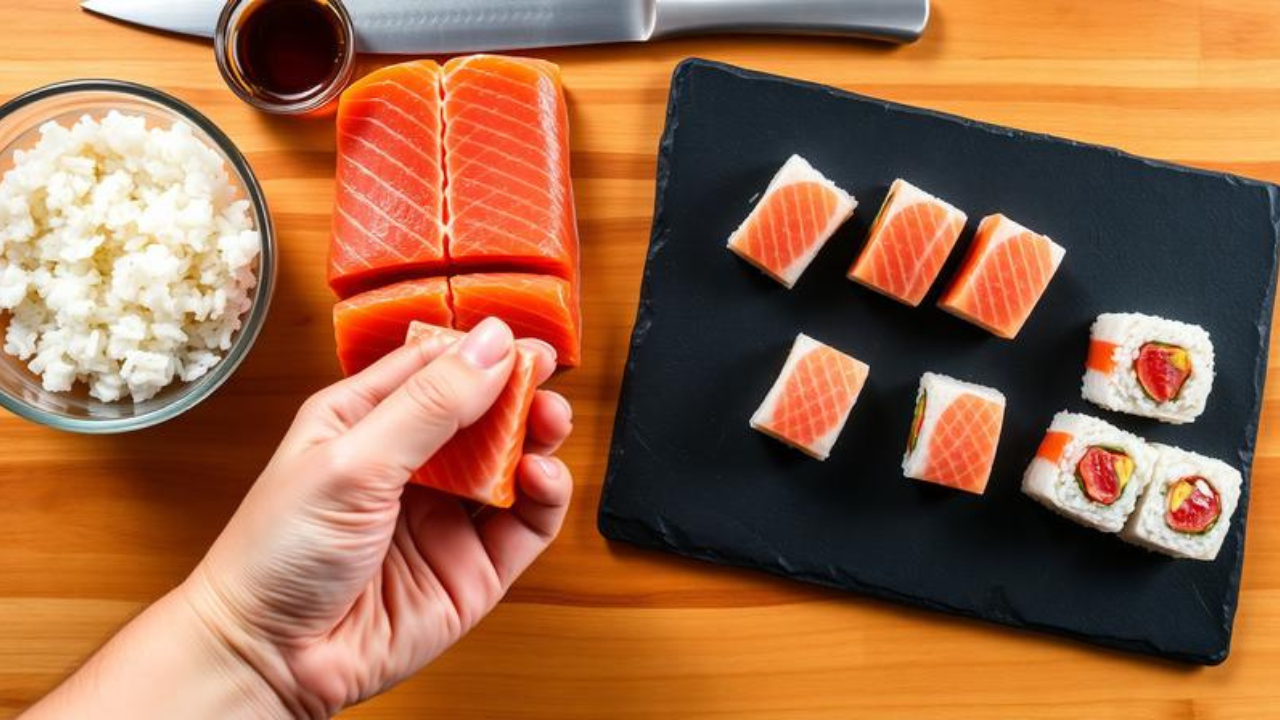
Have you ever watched a sushi chef effortlessly mold a perfect pillow of rice, top it with a glistening slice of salmon, and thought, “I could never do that”? Think again. This sake nigiri recipe is about to prove you wrong.
Sake nigiri—salmon nigiri sushi—is one of the most beloved sushi varieties worldwide, and the best part? You can absolutely make it in your own kitchen. No, you don’t need years of training or a sushi master’s knife skills. What you do need is the right ingredients, a bit of patience, and this guide.
By the end of this article, you’ll know exactly what sake nigiri is, what it’s made of, and how to make it step by step. You’ll also learn the secrets to sourcing safe sushi-grade salmon, shaping rice like a pro, and avoiding the most common pitfalls. Ready to roll up your sleeves? Let’s dive in.
Table of Contents
-
What Is Sake Nigiri?
-
Why Make Sake Nigiri at Home? Key Benefits
-
Sake Nigiri Recipe — Key Facts, Ingredients, and Variations
-
How To Make Sake Nigiri: Step-by-Step Recipe
-
Common Mistakes and Myths to Avoid
-
Expert Tips for Best Results
-
Frequently Asked Questions
-
Conclusion
What Is Sake Nigiri?
Sake nigiri is a traditional Japanese sushi consisting of a small, hand-pressed oblong of vinegared rice topped with a thin slice of raw salmon. The word “sake” (鮭) means salmon in Japanese, while “nigiri” comes from nigirizushi, which translates to “hand-pressed sushi”.
Think of it like a tiny, elegant open-faced sandwich. The rice is the base, the salmon is the star, and a tiny dab of wasabi often sits between them to add a subtle kick. Unlike maki rolls, there’s no seaweed wrapper here—just pure, simple ingredients that let the quality of the fish shine.
Sake nigiri is one of the most popular sushi variations globally, thanks to salmon’s rich, buttery texture and mild flavor. It’s also a fantastic entry point for sushi newcomers because the flavor is approachable and not overly fishy.
Why Make Sake Nigiri at Home? Key Benefits
Making your own sake nigiri at home is easier than you think and comes with some serious perks:
-
Save money: Restaurant nigiri can cost $5–$10 per piece. Making it at home costs a fraction of that.
-
Control the quality: You choose the salmon, the rice, and every ingredient. No surprises.
-
Customize to your taste: Prefer extra wasabi? Want a lighter rice-to-fish ratio? You’re in charge.
-
Impress your friends: Nothing says “I’ve got skills” like serving homemade sushi at a dinner party.
-
Learn a new culinary art: Shaping nigiri is meditative and rewarding. Plus, it’s a great conversation starter.
-
Eat it fresh, your way: No waiting for takeout—your sushi is ready when you are.
And here’s some motivation: the U.S. sushi industry is now a $22 billion market, with sushi appearing on 7.1% of restaurant menus in 2025. Sushi isn’t going anywhere, and learning this sake nigiri recipe puts you ahead of the curve.
Sake Nigiri Recipe — Key Facts, Ingredients, and Variations
What Is Nigiri Made Of?
At its core, nigiri is made of just two components: sushi rice and a topping—usually raw seafood. For sake nigiri, that topping is salmon. The rice is seasoned with a mixture of rice vinegar, sugar, and salt. A tiny amount of wasabi is often placed between the rice and the fish.
Key Ingredients for This Sake Nigiri Recipe
| Ingredient | Purpose | Notes |
|---|---|---|
| Sushi-grade salmon | The star topping | Must be labeled sushi-grade or sashimi-grade |
| Sushi rice (short-grain) | The base | Calrose or Japanese short-grain rice works best |
| Rice vinegar | Seasons the rice | Unseasoned is best; you’ll add sugar and salt yourself |
| Sugar | Balances the vinegar | Adds a subtle sweetness |
| Salt | Enhances flavor | Use kosher or sea salt |
| Wasabi | Adds heat and depth | A small dab goes between rice and fish |
| Soy sauce | For dipping | Use high-quality shoyu |
| Pickled ginger (gari) | Palate cleanser | Eat between pieces, not on top |
Sake Nigiri vs. Maguro Nigiri
If you’ve ever wondered how salmon nigiri stacks up against tuna nigiri, here’s a quick comparison:
| Feature | Sake Nigiri (Salmon) | Maguro Nigiri (Tuna) |
|---|---|---|
| Fish | Salmon | Tuna (often bluefin or yellowfin) |
| Flavor | Rich, buttery, slightly sweet | Clean, mild, slightly meaty |
| Texture | Soft, smooth, and velvety | Firm, lean, and tender |
| Color | Pink to orange with white fat lines | Deep red to ruby |
| Fat Content | Higher (thanks to healthy fats) | Lower (depending on the cut) |
| Best For | Sushi newcomers and those who love rich flavors | Purists who enjoy a clean, classic taste |
How To Make Sake Nigiri: Step-by-Step Recipe
This sake nigiri recipe is designed for home cooks. It makes about 10–12 pieces and takes roughly 1 hour, including rice preparation.
Step 1: Cook and Season the Sushi Rice
Rinse 1½ cups (320 g) of sushi rice in cold water until the water runs clear. Cook according to package instructions or in a rice cooker. While the rice is still warm, gently fold in a mixture of 3 tbsp rice vinegar, 1 tbsp sugar, and 1 tsp salt. Let the rice cool to room temperature. Don’t refrigerate it—cold rice ruins the texture.
Step 2: Prepare the Salmon
Pat your sushi-grade salmon fillet dry with paper towels. Using a very sharp knife, slice the salmon against the grain into thin, rectangular pieces about 2 inches long and 1 inch wide. Each slice should be roughly ¼ inch thick. Keep the salmon chilled until you’re ready to assemble.
Step 3: Make Tezu Water (Vinegar Water)
Mix 1 cup of cold water with 2 teaspoons of rice vinegar in a small bowl. This is your tezu water. Dip your fingers in it before handling the rice—it prevents sticking and adds a subtle tang.
Step 4: Shape the Rice
Wet your hands with tezu water. Take about 2 tablespoons (20–25 grams) of sushi rice and gently form it into an oval shape. The rice should be firm yet fluffy, with tiny air pockets inside. Don’t squeeze it too hard—that makes it dense and chewy. Aim for a shape that’s about 2½ inches long and 1 inch wide.
Step 5: Assemble the Nigiri
Place a tiny dab of wasabi on top of the rice ball. Lay a slice of salmon over the wasabi, gently pressing it to adhere to the rice. The salmon should drape slightly over the edges. Repeat with the remaining rice and salmon. Serve immediately with soy sauce and pickled ginger on the side.
Common Mistakes and Myths to Avoid
-
Myth: You need a sushi chef’s knife to make sake nigiri.
Truth: A sharp, long-bladed chef’s knife works just fine. The key is sharpness, not tradition. A dull knife will tear the salmon and ruin the presentation. -
Mistake: Using warm rice for nigiri.
Truth: The rice should be room temperature, not warm or cold. Warm rice makes the fish wilt; cold rice is hard and unappetizing. Let it cool naturally after seasoning. -
Myth: Any salmon is safe to eat raw.
Truth: Only sushi-grade or sashimi-grade salmon is safe for raw consumption. This means it has been frozen to specific temperatures to kill parasites. Never use regular grocery store salmon for raw dishes. -
Mistake: Overloading on soy sauce.
Truth: Dip the fish side (not the rice) lightly into soy sauce. The rice soaks up soy sauce like a sponge and will become salty and fall apart. A gentle dip is all you need. -
Myth: Wasabi is just for heat.
Truth: Wasabi adds depth and complexity, not just spice. It cuts through the richness of the salmon and brightens the overall flavor. Don’t skip it.
Expert Tips for Best Results
-
Buy from a trusted source: Only purchase salmon labeled sushi-grade from a reputable fish market or grocer.
-
Keep everything cold: Store your salmon in the coldest part of the fridge and work quickly.
-
Use a sharp knife: A sharp blade gives you clean, beautiful slices without tearing the flesh.
-
Don’t over-rice: Use just enough rice to form a small, oblong base—about 20–25 grams per piece.
-
Eat immediately: Sake nigiri is best enjoyed fresh. The rice should be soft, and the fish should be cool and silky.
Frequently Asked Questions
Can I make sake nigiri at home?
Absolutely! With sushi-grade salmon, properly seasoned rice, and a bit of practice, you can make restaurant-quality sake nigiri in your own kitchen. The recipe above walks you through every step, from cooking the rice to shaping the nigiri. Start with small batches and build your confidence.
Is sake nigiri raw?
Yes, traditional sake nigiri is made with raw, sushi-grade salmon. The salmon is frozen to a specific temperature to kill parasites, making it safe for raw consumption. Some variations use smoked or seared salmon, but the classic version is raw.
What is the difference between sake nigiri and maguro nigiri?
Sake nigiri uses raw salmon, which has a rich, buttery flavor and soft texture. Maguro nigiri uses raw tuna, offering a cleaner, milder taste and firmer texture. Salmon is generally fattier, while tuna is leaner (unless you’re eating toro, the fatty belly cut).
Conclusion
Making sake nigiri at home is not only possible—it’s incredibly rewarding. You’ve learned what sake nigiri is, what it’s made of, and how to make it step by step. The three most important takeaways? Use sushi-grade salmon, don’t over-squeeze the rice, and dip fish-side down in soy sauce.
Now it’s your turn. Head to your local fish market, grab some sushi-grade salmon, and give this sake nigiri recipe a try. It’s a fantastic way to impress your friends, save money, and connect with Japanese culinary tradition. Have you ever made sushi at home? What’s your favorite type of nigiri? Drop a comment below—we’d love to hear from you!
Looking for more sushi inspiration? Check out our guide on [ how to make perfect sushi rice at home].