
Introduction
Picture this: you’re at a sushi bar, watching the chef deftly mold a small pillow of rice, top it with a glistening slice of salmon, and brush it with soy sauce. That, my friend, is sake nigiri in its purest form. And if you’ve ever wondered what makes this particular piece of sushi so special, you’re in the right place.
In this guide, we’ll answer all your burning questions. What exactly is sake nigiri? Is the salmon raw? Is it related to the alcoholic drink sake? And how does it stack up against its tuna cousin, maguro nigiri? By the time you finish reading, you’ll be ordering and enjoying sake nigiri like a true sushi connoisseur.
Table of Contents
-
What Is Sake Nigiri?
-
Why Does Sake Nigiri Matter? Key Benefits
-
Sake Nigiri — Key Facts, Types, and How It Works
-
How To Eat Sake Nigiri Like a Pro
-
Common Mistakes and Myths to Avoid
-
Expert Tips for Best Results
-
Frequently Asked Questions
-
Conclusion
What Is Sake Nigiri?
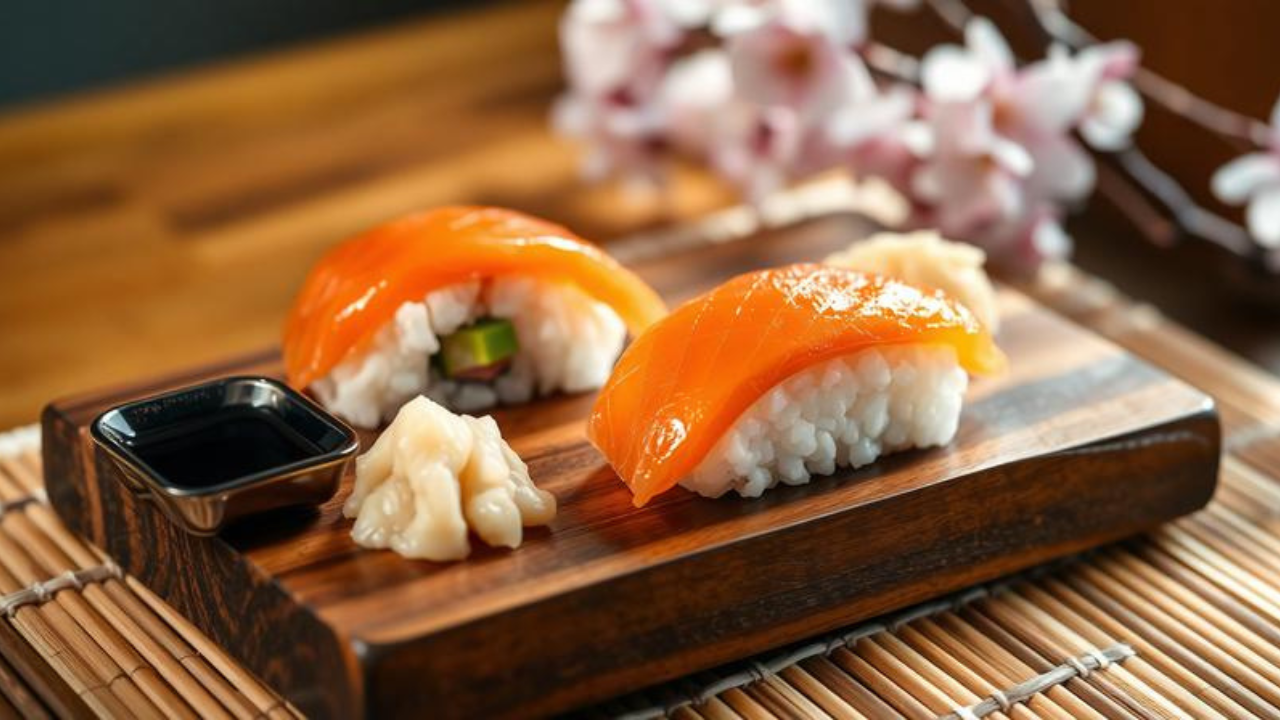
Sake nigiri is a classic type of nigiri sushi consisting of a slice of raw salmon draped over a small, hand-pressed bed of vinegared rice. The word “sake” (pronounced sha-keh) means salmon in Japanese, while “nigiri” translates to “two fingers,” referring to the bite-sized portion of rice. A tiny dab of wasabi is often placed between the fish and the rice to add a subtle kick.
Think of it like a tiny, edible sandwich where the filling is the wasabi and the “bread” is the rice and salmon. But here’s the twist: sake nigiri is all about simplicity. There are no rolls, no seaweed wrappers, and no complicated layers. Just pristine, high-quality fish and perfectly seasoned rice. It’s the ultimate test of a sushi chef’s skill, and it’s one of the most popular sushi variations worldwide due to the salmon’s rich, buttery texture.
Why Does Sake Nigiri Matter? Key Benefits
Sake nigiri isn’t just delicious—it’s also a nutritional powerhouse. Here’s why you should consider adding it to your regular rotation:
-
Rich in Omega-3 fatty acids: Salmon is packed with these heart-healthy fats, which support brain function and reduce inflammation.
-
Excellent source of high-quality protein: A single piece of sake nigiri provides a good amount of protein to keep you feeling full and energized.
-
Packed with essential vitamins: Salmon is rich in B vitamins, particularly B12, which is crucial for nerve function and energy production.
-
Low in calories: At roughly 70-140 calories per piece (depending on size), sake nigiri is a relatively light and satisfying option.
-
A gateway to sushi: Its mild, buttery flavor makes it an approachable choice for sushi newcomers.
-
Celebrates culinary artistry: Eating sake nigiri is about appreciating the craftsmanship of sushi-making, from the rice to the fish.
According to the Journal of Nutrition, consuming fatty fish like salmon at least twice a week can lower the risk of heart disease by up to 36%. With sake nigiri, you’re not just treating your taste buds—you’re investing in your health.
Sake Nigiri — Key Facts, Types, and How It Works
The Origin Story: From Norway to Japan
Here’s a fun fact: sake nigiri as we know it today has surprising roots in Norway. In the 1980s, Norway began exporting salmon to Japan, successfully marketing it as a safe and delicious option for raw consumption. Before that, salmon wasn’t traditionally eaten raw in Japan due to concerns about parasites. Norwegian salmon, farmed and frozen to kill parasites, changed the game. Today, sake nigiri is a staple in sushi restaurants worldwide.
How It’s Made: The Basics
Making sake nigiri involves a few key steps:
-
Preparing the rice: Sushi rice is cooked, seasoned with a mixture of rice vinegar, sugar, and salt, and cooled to room temperature.
-
Shaping the nigiri: The chef wets their hands with tezu water (water and vinegar) to prevent sticking, then molds a small oblong of rice with air pockets inside for a light texture.
-
Slicing the salmon: Using a sharp knife, the chef slices the sushi-grade salmon thinly, cutting against the grain.
-
Assembling: A dab of wasabi is placed on the rice, the salmon slice is draped over it, and the whole thing is gently pressed together.
Sake Nigiri vs. Maguro Nigiri: A Comparison
Many sushi lovers wonder about the difference between sake nigiri and maguro nigiri (tuna nigiri). Here’s a quick breakdown:
| Feature | Sake Nigiri (Salmon) | Maguro Nigiri (Tuna) |
|---|---|---|
| Fish | Salmon | Tuna (often bluefin or yellowfin) |
| Flavor | Rich, buttery, slightly sweet | Mild, clean, slightly meaty |
| Texture | Soft, smooth, and velvety | Firm, lean, and tender |
| Color | Pink to orange with white fat lines | Deep red to ruby |
| Fat Content | Higher (thanks to healthy fats) | Lower (depending on the cut) |
| Best For | Sushi newcomers and those who love a rich taste | Purists who enjoy a clean, classic flavor |
The choice between the two often comes down to personal preference. Sake nigiri offers a more indulgent, buttery experience, while maguro provides a cleaner, more traditional taste.
How To Eat Sake Nigiri Like a Pro
Eating sake nigiri correctly enhances the experience. Follow these steps to do it like a sushi master:
Step 1: Use Your Hands (It’s Okay!)
Forget the chopsticks. Sake nigiri is traditionally eaten with your hands. Pick up the piece gently between your thumb and middle finger.
Step 2: Dip Fish-Side Down
When dipping sake nigiri into soy sauce, flip it over and dip the fish side, not the rice. The rice is delicate and will soak up too much soy sauce, overpowering the flavor and causing it to fall apart.
Step 3: Don’t Overdo the Soy Sauce
A light dip is all you need. You want to taste the salmon, not just the saltiness of the soy sauce. Less is more.
Step 4: Eat It in One Bite
Place the entire piece of sake nigiri in your mouth in one go. This allows you to experience the perfect balance of fish, rice, and wasabi all at once.
Step 5: Cleanse Your Palate with Ginger
Between different types of sushi, eat a piece of pickled ginger (gari) to cleanse your palate. This resets your taste buds so you can fully appreciate the flavor of the next piece.
Common Mistakes and Myths to Avoid
-
Myth: Sake nigiri is related to the alcoholic drink sake.
Truth: In Japanese, “sake” (鮭) means salmon, while the rice wine is also called sake (酒), but pronounced slightly differently. They are completely unrelated. When you order sake nigiri, you’re getting salmon, not a drink. -
Myth: All salmon for sushi is raw.
Truth: While traditional sake nigiri uses raw, sushi-grade salmon, some variations use smoked or lightly seared salmon. However, the classic version is indeed raw. -
Mistake: Eating the ginger with the sushi.
Truth: Ginger is a palate cleanser, not a topping. Eat it between different types of sushi, not on top of your sake nigiri. -
Myth: Sake nigiri is always fishy.
Truth: Fresh, high-quality sake nigiri should have a mild, clean flavor, not a strong fishy odor. If it smells fishy, it’s not fresh. -
Mistake: Pressing the rice too hard when making it at home.
Truth: The rice should be firm yet fluffy, with air pockets inside. Pressing it too hard makes it dense and chewy.
Expert Tips for Best Results
-
Buy sushi-grade salmon only: Always look for salmon labeled “sushi-grade” or “sashimi-grade” to ensure it’s safe to eat raw.
-
Keep it cold: Store your salmon in the coldest part of the refrigerator and use it quickly.
-
Use a sharp knife: A dull knife will tear the salmon. A sharp, long-bladed knife (like a yanagiba) gives you clean, beautiful slices.
-
Don’t over-rice: Use just enough rice to form a small, oblong base—about 16 grams is plenty.
-
Add a touch of wasabi: Even if you’re not a spice fan, the traditional dab of wasabi between the fish and rice elevates the flavor.
Frequently Asked Questions
Is sake nigiri raw?
Yes, traditional sake nigiri is made with raw, sushi-grade salmon. The salmon is frozen to a specific temperature to kill parasites, making it safe for raw consumption. Some variations may use smoked or seared salmon, but the classic version is raw.
Is sake salmon or alcohol?
In the context of sushi, “sake” refers to salmon (鮭). The alcoholic beverage made from rice is also called sake (酒), but the two are completely different. So when you order sake nigiri, you’re getting salmon, not a shot of rice wine.
What is the difference between sake nigiri and maguro nigiri?
Sake nigiri uses raw salmon, which has a rich, buttery flavor and soft texture. Maguro nigiri uses raw tuna, offering a cleaner, milder taste and firmer texture. Salmon is generally fattier, while tuna is leaner (unless you’re eating toro, the fatty belly cut).
Conclusion
Sake nigiri is a simple yet sublime dish that showcases the beauty of fresh, high-quality salmon. You’ve learned that it’s a raw salmon nigiri, distinct from both the alcoholic drink sake and its tuna counterpart, maguro. The three most important takeaways? Use sushi-grade fish, dip fish-side down in soy sauce, and eat it in one bite to fully appreciate the harmony of flavors.
Now it’s your turn. Next time you’re at a sushi restaurant, order a piece of sake nigiri and savor it like a pro. Or better yet, try making it at home with our tips. Have you tried sake nigiri before? What’s your favorite type of nigiri? Drop a comment below—we’d love to hear from you!
Craving more sushi knowledge? Check out our guide on [ how to make perfect sushi rice at home].