
Introduction
Have you ever wished for a slice of small‑town life right in the middle of sprawling Los Angeles? A place where you can grab your morning latte at a family‑owned café, browse independent bookstores, and actually know your neighbors by name – all while being minutes from Hollywood, Downtown, and the Westside?
The problem is that most LA neighborhoods force a trade‑off: you get either urban energy (with noise and traffic) or suburban quiet (with nothing walkable). Hancock Park and Larchmont Village break that rule. This pocket of central LA offers tree‑lined streets, 1920s period architecture, and a vibrant commercial strip – Larchmont Boulevard – packed with over 50 locally owned shops and restaurants. It feels like a preserved time capsule, yet it’s anything but outdated.
In this guide, I’ll walk you through everything that makes this community tick: its history, why it’s one of LA’s most desirable addresses, a step‑by‑step plan for exploring it like a local, common mistakes to avoid, and answers to the most frequently asked questions. By the end, you’ll know exactly why Hancock Park and Larchmont Village deserve a spot on your LA must‑visit (or must‑live) list.
What Is Hancock Park & Larchmont Village?
Let’s start with the basics. Hancock Park is a historic residential neighborhood in the Mid‑Wilshire area of Los Angeles. It’s roughly bounded by Melrose Avenue to the north, Wilshire Boulevard to the south, Highland Avenue to the east, and La Brea Avenue to the west. The area is named after Major Henry Hancock, who owned the original Rancho La Brea land in the 19th century. His son, George Allan Hancock, subdivided the property in the 1920s, laying out grand lots with strict architectural controls – which is why you’ll see such consistent, elegant Spanish Colonial Revival, Tudor, and Mediterranean homes today.
Larchmont Village is the commercial heart of this area. It’s not a separate city; it’s a shopping and dining district that runs along Larchmont Boulevard, roughly from Beverly Boulevard to 1st Street. The village was also developed in the 1920s as a “streetcar suburb” – a walkable hub designed around the old Pacific Electric trolley lines. Today, it retains that original pedestrian‑friendly charm, with wide sidewalks, outdoor seating, and a genuine neighborhood feel that draws locals from all over LA.
Together, they form one of the city’s few National Register Historic Districts, meaning the architecture and street layouts are legally protected. That’s why you won’t see mega‑strip malls or high‑rises here – just beautifully preserved homes and a commercial strip that feels more like a New England Main Street than a typical LA boulevard.
Why It Matters – The Benefits of Living or Visiting Here
So why does this neighbourhood matter beyond its good looks? Here are the concrete benefits that make Hancock Park and Larchmont Village stand out in LA’s crowded landscape.
2.1 Walkability – A Rare LA Gem
In a city where you drive everywhere, Larchmont Boulevard is a true oasis. You can park once and spend an entire day walking between coffee shops, boutiques, galleries, and restaurants. The tree‑canopied sidewalks invite strolling, and the village hosts regular street fairs and farmers’ markets that further animate the area.
2.2 Architectural Wonderland
For history and design buffs, this is paradise. The homes in Hancock Park are not cookie‑cutter McMansions – they’re original period revival styles with detailed tile work, wrought‑iron balconies, and lush gardens. Many have been owned by celebrities, filmmakers, and architects over the decades, giving the streets a quiet, star‑studded mystique without the paparazzi frenzy.
2.3 Community Spirit
Unlike transient LA neighborhoods, Hancock Park has deep roots. Many families have lived here for generations. The Larchmont Village Business Association actively organizes events – from holiday tree‑lighting ceremonies to summer movie nights in the park. Neighbors know each other, kids walk to school, and you’ll actually see people sitting on their front porches. That’s rare in Southern California.
2.4 Culinary and Retail Diversity
The boulevard alone packs a punch: artisanal bakeries, a legendary cheese shop (more on that later), vintage clothing stores, a old‑school hardware store, and eateries ranging from casual tacos to upscale farm‑to‑table. You never need to leave the village for a great meal or a unique gift.
2.5 Central Location
It’s smack in the middle of LA – 15 minutes to Hollywood, 20 to Downtown, 25 to the beach (off‑peak), and right next to the Miracle Mile museums (LACMA, the Peterson Automotive Museum, the Academy Museum). You get suburban peace with instant access to everything.
Step‑by‑Step – How to Experience Hancock Park & Larchmont Village Like a Local
Whether you’re a first‑time visitor or a potential resident, here’s a practical, timed itinerary to get the most out of this neighbourhood.
Step 1: Start Your Morning at a Classic Café (8:30 AM)
Park your car (free street parking is available but fills up – more on that in the mistakes section) and walk to Go Get Em Tiger on Larchmont. Order their famous almond latte and a breakfast burrito, then grab a seat on their sunny patio. Watch the morning joggers and dog‑walkers pass by – it’s the perfect orientation.
Step 2: Stroll the Boulevard – Shop Small (9:30 AM)
Head north along Larchmont. Pop into Larchmont Village Wine & Spirits for a peek at their curated selection, then cross over to Cheese Store of Silver Lake (yes, it’s on Larchmont) – they offer over 100 artisan cheeses and will happily give you samples. Next, browse Reformation for sustainable fashion or Pulp for vintage paper goods and stationery. Don’t miss Skylight Books – one of LA’s last independent bookstores – where you can lose yourself for half an hour.
Step 3: Mid‑Morning Break – Farmers’ Market (if it’s Saturday or Wednesday)
If your visit falls on a Saturday (9am–2pm) or Wednesday (10am–2pm), you’re in luck. The Larchmont Farmers’ Market takes over the boulevard with fresh organic produce, freshly baked bread, flowers, and hot food stalls. Grab a bag of mandarins and a fresh croissant for a picnic later.
Step 4: Architectural Walking Tour (11:30 AM)
Now step off the boulevard into the residential grid. Walk east on 1st Street or west on Beverly – any side street will do. Notice the distinct architectural details: clay tile roofs, arched doorways, original leaded glass windows. Many homes have historic plaques. Take photos, but be respectful – these are private residences. The Hancock Park HPOZ (Historic Preservation Overlay Zone) provides a self‑guided map online if you want a structured tour.
Step 5: Lunch – Iconic Eats (1:00 PM)
By now you’ll be hungry. Choose between:
-
Larchmont Pizza – thin‑crust New York‑style slices.
-
Osteria Mamma – authentic Italian pasta in a rustic setting.
-
Salt & Straw – for gourmet ice cream as your lunch (hey, it’s vacation).
Step 6: Afternoon Culture – The Museums (2:30 PM)
Drive or walk 10 minutes south to Miracle Mile. Visit the Los Angeles County Museum of Art (LACMA) , the Peterson Automotive Museum, or the new Academy Museum of Motion Pictures. They’re all within a five‑block radius.
Step 7: Happy Hour & People‑Watching (5:00 PM)
Return to Larchmont for a glass of wine at The Wine House (attached to the cheese shop) or a craft cocktail at The Eveleigh – a charming restaurant with a gorgeous garden patio. Sit outside and watch the evening crowd – families, young professionals, and longtime residents all mingling together.
Step 8: Dinner and Dessert (7:00 PM)
End your day at Cafe Stella – a French bistro that feels like it was airlifted from Paris. Their steak frites and crème brûlée are legendary. If you still have room, finish with a scoop from Salt & Straw (again – no judgment).
Common Mistakes to Avoid
Even the most charming neighborhoods have pitfalls. Here’s what newcomers and visitors often get wrong – and how to sidestep them.
Mistake 1: Parking on the Boulevard at Peak Times
Street parking on Larchmont is limited and strictly enforced (2‑hour limits). Many people circle endlessly. Solution: Park on the residential side streets (e.g., June Street, Lucerne Avenue) – they’re free and unlimited, and it’s just a one‑block walk to the action. Avoid parking in the Ralphs lot unless you’re shopping there – they tow.
Mistake 2: Only Visiting on Weekdays
The village is charming on a Tuesday, but the real magic happens on weekends – especially Saturday morning during the farmers’ market. If you can, schedule your visit for Saturday to experience the full community energy.
Mistake 3: Overlooking the Residential Streets
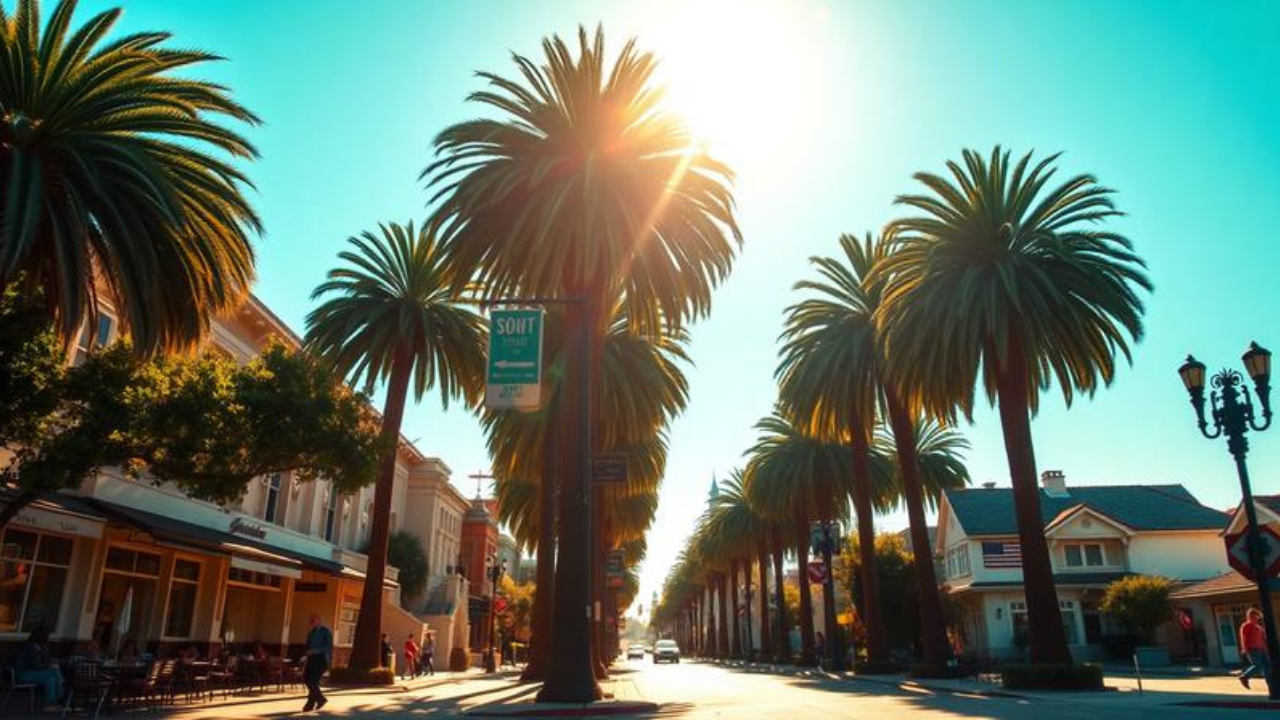
Many tourists walk Larchmont Boulevard, snap a photo, and leave. That’s a shame – the real beauty lies in the surrounding Hancock Park homes. Take time to wander the side streets; you’ll find hidden courtyards, towering palms, and even the occasional peacock.
Mistake 4: Assuming It’s Only for Rich People
Yes, homes here are multi‑million‑dollar, but the village itself is welcoming to all. You can enjoy a $3 coffee and a free art walk without spending a fortune. Don’t be intimidated – locals are friendly and the vibe is down‑to‑earth.
Mistake 5: Skipping the History
Without context, it’s just a pretty street. Read up on the Hancock family and the La Brea Tar Pits (which are just south) before you go – it transforms the experience. The tar pits actually had mammoth fossils discovered on the same land – that’s why the area is geologically significant too.
FAQs – Your Top Questions Answered
Q1: Is Hancock Park the same as Larchmont Village?
No. Hancock Park is the residential neighborhood; Larchmont Village is the commercial district within it. They’re often used interchangeably, but if you tell an Uber driver “Larchmont Village,” they’ll drop you on the boulevard. If you say “Hancock Park,” they’ll take you to the residential area.
Q2: What’s the best time of year to visit?
Spring (March–May) and fall (September–November) offer perfect weather – mild, sunny, and the jacaranda trees are in bloom in spring. Summer can be warm but still pleasant, and winter is mild with occasional rain. The holiday season (December) is magical with twinkling lights and a tree‑lighting ceremony.
Q3: Are there any celebrity sightings?
Absolutely – but it’s low‑key. Many actors, directors, and musicians live in Hancock Park because of its privacy and history. You might spot someone at the farmers’ market or having brunch, but locals respect their space – no autograph hunting, please.
Q4: Can I bring my dog?
Yes! Larchmont is extremely dog‑friendly. Most shops and restaurants have outdoor seating where pups are welcome. You’ll see more dogs than kids on a typical morning.
Q5: How do I get there without a car?
Public transit is limited, but the Metro Bus lines (e.g., 210, 780) run along Wilshire and La Brea. The new Metro Purple Line extension will have a stop at Wilshire/La Brea by 2025, making it even easier. For now, ride‑share or bike are your best bets.
Conclusion
Hancock Park and Larchmont Village are more than just a pretty postcard – they’re a living, breathing community that proves LA can have both history and heart. From the moment you step onto Larchmont Boulevard, you’ll feel the slower pace, the neighborly nods, and the pride in preservation. Whether you’re here for a day or a decade, you’ll leave with a sense that you’ve discovered one of the city’s best‑kept secrets.
So what’s your next step? If you’re planning a visit, bookmark this guide and start your Saturday with that almond latte. If you’re thinking of moving, reach out to a local realtor who specialises in historic properties – and prepare to fall in love.
Enjoyed this deep dive? Check out our guide to the Miracle Mile museums or our list of LA’s best farmers’ markets – just click the links below. And don’t forget to subscribe to our newsletter for weekly neighbourhood spotlights. See you on the boulevard!