
Introduction
Imagine waking before dawn, climbing into an open safari vehicle, and driving through a private gate into the world’s oldest desert before any other visitor has even reached the park entrance. As the first rays of sunlight set the towering red dunes of Sossusvlei ablaze in shades of orange and gold, you realise you have the most iconic landscape in Namibia entirely to yourself.
For travellers dreaming of experiencing Namibia’s spectacular desert scenery, the biggest challenge is often the crowds. Sossusvlei and its famous dunes attract visitors from around the world, and the public gate can become congested with day-trippers. But what if you could bypass the queues entirely and access the dunes before sunrise?
This comprehensive guide explores everything you need to know about Little Kulala Camp Namibia—from its unparalleled location on the private Kulala Wilderness Reserve to its luxurious accommodations, incredible desert activities, and commitment to sustainable tourism. Whether you’re planning a romantic getaway, a family adventure, or the desert safari of a lifetime, this article will help you discover why Little Kulala is one of Namibia’s most sought-after desert retreats.
What is Little Kulala Camp?
Little Kulala Camp is a luxury desert retreat situated within the private Kulala Wilderness Reserve in Namibia, offering the closest and most exclusive accommodation to the famous Sossusvlei dunes. Operated by Wilderness Safaris (now Wilderness Destinations), this camp is widely considered one of the most stylish and exclusive lodges in the Sossusvlei region.
Location and Setting
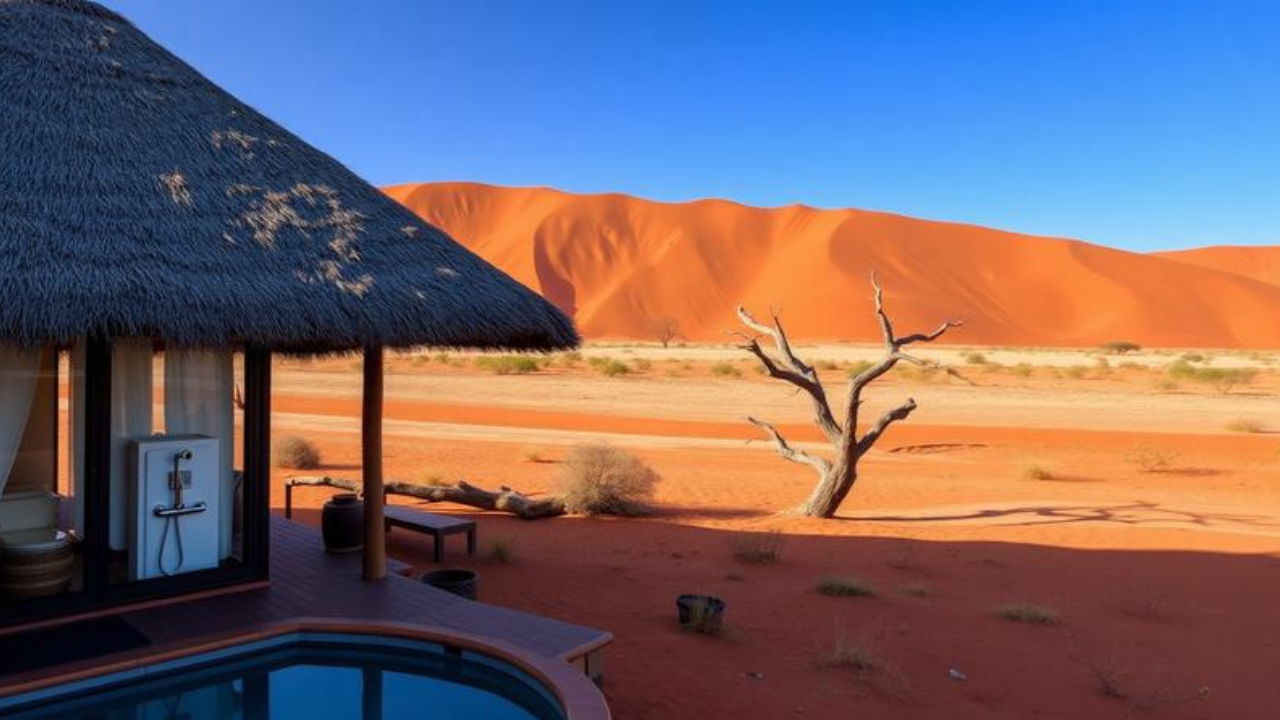
Little Kulala lies within the 21,000 to 27,000-hectare Kulala Wilderness Reserve, the only private reserve with direct access to Sossusvlei and the Namib—the world’s oldest desert, home to the world’s tallest sand dunes. The camp is situated on the western side of the reserve, offering magnificent dune scenery to the west and a rugged, mountainous Namib escarpment to the north and east, with grassy plains and mysterious “fairy circles” filling the space in between.
The camp is located approximately 350 kilometres south of Windhoek, accessible via a five-hour drive or a 90-minute light aircraft flight. Its location on the dry Auab River bed, with dead acacia trees standing as relics against the desert backdrop, creates an atmosphere of timeless solitude and beauty.
The Name
The camp’s name derives from the local Oshiwambo language, where kulala means ‘to sleep’. It’s a fitting name for a camp designed to provide the ultimate desert slumber, complete with private plunge pools and rooftop star beds for sleeping under Namibia’s famously clear night skies.
Why Little Kulala Camp Matters: Key Benefits
1. Unmatched Access to Sossusvlei
Perhaps the single greatest advantage of staying at Little Kulala is its private gate into Namib-Naukluft National Park. This exclusive access allows guests to enter the park before the public gate opens, reaching the iconic dunes of Sossusvlei and Deadvlei long before the day-trippers arrive.
For photographers and sunrise enthusiasts, this means capturing the famous dunes in the perfect morning light without a single other person in your frame. The early start also means you can climb the dunes—including the legendary “Big Daddy”—in the cool of the morning before the desert heat becomes intense.
2. Exceptional Desert Accommodation
Little Kulala comprises eleven stylish thatched villas, or kulalas, each designed to merge impeccably into the timeless desert landscape. Every villa features:
-
Private plunge pool for instant relief from the desert heat
-
Rooftop “skybed” for romantic stargazing—an unforgettable experience of sleeping under the visible Milky Way in this Dark Sky Reserve
-
Indoor and outdoor showers
-
Air conditioning and climate control
-
Private veranda with sun-loungers and shaded outdoor seating
-
Minibar and luxury amenities
-
Bleached decks and exquisite furnishings in cool, earthy tones designed for the desert light
The camp also features one spacious family unit consisting of two interconnecting bedrooms, each with two three-quarter beds and en-suite facilities, making it ideal for families travelling together.
3. World-Class Desert Activities
Little Kulala offers an extraordinary range of activities that immerse guests in the desert environment:
-
Early morning game drives to the dunes through the private reserve gate
-
Guided nature drives and walks on the private reserve
-
Hot air ballooning at sunrise for a spectacular aerial perspective of the dunes
-
Quad biking across the desert landscape
-
Nocturnal walks to search for scorpions and other desert wildlife
-
Cultural visits to nearby communities
-
Scenic flights over the Namib
4. Commitment to Sustainability
Little Kulala is entirely solar-powered, reflecting Namibia’s status as the world’s first country to incorporate environmental protection into its constitution. When Wilderness acquired the land nearly 30 years ago, it had been used for subsistence goat farming and indigenous wildlife had moved on. Today, internal fences have been removed to reinstate wildlife corridors, flora and fauna have been allowed to thrive once more, and the animals have gradually returned.
The camp’s eco-friendly practices include:
-
Reusable drinking bottles for filtered water
-
Buckets to catch water wasted while the shower heats up, used for cleaning
-
Eco-friendly toiletries
-
Locally inspired décor that echoes the surrounding geology
5. Desert Wildlife Viewing
While wildlife is sparse compared with Namibia’s big parks like Etosha, the Kulala Wilderness Reserve is home to a range of desert-adapted species. Guests can expect to see:
-
Oryx (gemsbok)—Namibia’s national animal
-
Springbok
-
Ostrich
-
Black-backed jackal
-
Bat-eared foxes and occasionally aardwolf
-
Namibia’s endemic dune lark
Animals frequently wander to the camp’s watering hole, offering excellent viewing opportunities right from the main area.
6. World-Class Dining and Facilities
The main area offers a relaxed lounge, dining room, bar, library, wine cellar, craft boutique, and swimming pool, all under thatch. Dining can be enjoyed indoors or outdoors, with memorable meals under the stars in the boma frequently enjoyed.
A breakfast buffet offers freshly baked breads, cold meats and cheeses, cereals, and cooked breakfasts made to order. Lunch is typically a two-course set menu, and dinner is a three-course plated affair.
Step-by-Step Guide: Planning Your Little Kulala Experience
Step 1: Choose Your Travel Dates
Little Kulala is open all year round, but the best time to visit depends on your preferences:
-
Dry Season (May to October) : Clear skies, mild temperatures during the day, and cool nights. This is the most popular time for photography and stargazing.
-
Green Season (November to April) : Warmer temperatures, occasional rainfall, and dramatic cloud formations that create stunning photographic opportunities. Fewer crowds.
Step 2: Select Your Accommodation
Choose between:
-
Luxury Villas (10 available) : Perfect for couples or solo travellers
-
Family Unit (1 available) : Features two interconnecting bedrooms, each with two three-quarter beds and en-suite facilities, accommodating families of up to four
All villas offer private plunge pools, indoor and outdoor bathrooms, rooftop skybeds, and stunning desert views.
Step 3: Book Your Stay
Rates typically range from approximately $550 to $1,000+ USD per night depending on the season, with all meals and most activities included. Book well in advance, particularly for the dry season months, as Little Kulala is one of Namibia’s most sought-after properties.
Step 4: Plan Your Activities
With so many activities on offer, planning ahead ensures you make the most of your stay. Must-do experiences include:
-
Sunrise dune excursion to Sossusvlei and Deadvlei via the private gate
-
Hot air balloon flight over the Namib (weather permitting)
-
Rooftop skybed sleep-out under the Milky Way
-
Guided nature walks to learn about desert-adapted flora and fauna
-
Scenic flight for a bird’s-eye view of the towering dunes
Step 5: Pack Appropriately
-
Lightweight, neutral-coloured clothing for daytime activities
-
Warm layers for cool evenings and early mornings (temperatures can drop significantly)
-
Comfortable walking shoes for climbing dunes
-
Swimsuit for your private plunge pool
-
Sunscreen, hat, and sunglasses—the desert sun is intense
-
Camera with wide-angle lens for landscape photography
-
Binoculars for wildlife spotting
-
Headlamp or torch for nighttime walks
Common Mistakes to Avoid When Visiting Little Kulala
1. Not Staying Long Enough
Many travellers make the mistake of treating Little Kulala as a one-night stopover. However, with so many activities on offer—from dune excursions to balloon flights to nature walks—two to three nights is the absolute minimum recommended stay. One night simply doesn’t allow enough time to experience the full magic of the desert.
2. Missing the Skybed Experience
The rooftop star bed is one of Little Kulala’s most unique features. Sleeping under the visible Milky Way in this Dark Sky Reserve is an unforgettable experience that many guests regret missing. Even if you don’t sleep out all night, at least spend an hour stargazing from your rooftop deck.
3. Skipping the Early Morning Dune Visit
The private gate access to Sossusvlei is one of the camp’s greatest advantages. Skipping the early morning departure means missing the opportunity to experience the dunes before the crowds arrive and in the perfect morning light. Set your alarm—it’s worth it.
4. Underestimating the Desert Climate
The Namib Desert can be deceptively cold in the early mornings and evenings, even during the dry season. Some guests have noted that the camp lacks an indoor dining area, so during winter mornings, you need to be well covered and dressed warmly.
5. Not Managing Expectations Around Wildlife
Wildlife in the Namib is sparse compared with Etosha or other big-game destinations. Little Kulala is about the desert landscape, the dunes, and the unique adaptations of desert life—not about seeing the Big Five.
6. Overlooking the Dining Experience
While many guests rave about the food at Little Kulala, some have found it inconsistent given the premium price point. One reviewer noted that “the food really wasn’t great” and reminded them of “school dinners”. However, others have described the meals as excellent. It’s worth managing expectations and focusing on the overall experience.
Frequently Asked Questions
1. How do I get to Little Kulala Camp?
Little Kulala is located approximately 350 kilometres south of Windhoek. You can reach the camp via a five-hour self-drive (the entrance is 17 kilometres south of Sesriem on road 826), or via a 90-minute light aircraft flight from Windhoek to the camp’s private airstrip. Most tour operators include transfers as part of their packages.
2. Is Little Kulala suitable for families with children?
Yes, children of all ages are welcome, though the camp is best suited for children aged 10 and above. The camp features one spacious family unit consisting of two interconnecting bedrooms, each with two three-quarter beds and en-suite facilities. The family unit offers the perfect blend of comfort and togetherness for a desert getaway.
3. What is the best time of year to visit Little Kulala?
The camp is open year-round. The dry season (May to October) offers the clearest skies and most comfortable temperatures for dune climbing and stargazing. The green season (November to April) features warmer temperatures, occasional dramatic cloud formations, and fewer crowds. Both seasons offer unique photographic opportunities.
4. What wildlife can I expect to see at Little Kulala?
Wildlife in the Namib is sparse but special. Guests can expect to see oryx, springbok, ostrich, black-backed jackal, bat-eared foxes, and occasionally aardwolf. Namibia’s endemic dune lark is also found in the area. Animals frequently visit the camp’s watering hole, offering excellent viewing opportunities from the main area.
5. Is Little Kulala environmentally sustainable?
Yes, Little Kulala is entirely solar-powered and operates with a strong commitment to sustainability. The camp has removed internal fences to reinstate wildlife corridors, allowing flora and fauna to thrive. Eco-friendly practices include reusable drinking bottles, water conservation measures, and locally sourced materials.
Conclusion
Little Kulala Camp Namibia represents the pinnacle of desert luxury, offering travellers an unparalleled opportunity to experience the world’s oldest desert in extraordinary comfort. From its exclusive private gate access to the iconic Sossusvlei dunes to its eleven luxurious villas with private plunge pools and rooftop star beds, every aspect of this camp has been designed to immerse guests in the timeless beauty of the Namib.
The camp’s commitment to sustainability—from its solar power to its wildlife corridor restoration—adds a deeper sense of purpose to every stay, knowing that your visit directly supports the conservation of this extraordinary landscape. Whether you’re climbing the towering dunes of Sossusvlei at sunrise, drifting silently over the desert in a hot air balloon, or sleeping under the visible Milky Way from your rooftop skybed, Little Kulala delivers an African desert experience that will stay with you forever.
For those seeking the ultimate desert escape—one that combines world-class luxury with unparalleled access to one of the world’s most breathtaking landscapes—Little Kulala Camp is simply unmatched.
Ready to plan your Namib Desert adventure? Read our complete guide to Namibia’s best safari lodges to discover more incredible destinations, or subscribe to our newsletter for the latest travel tips, exclusive offers, and insider guides to Africa’s most spectacular wilderness experiences.