
Introduction
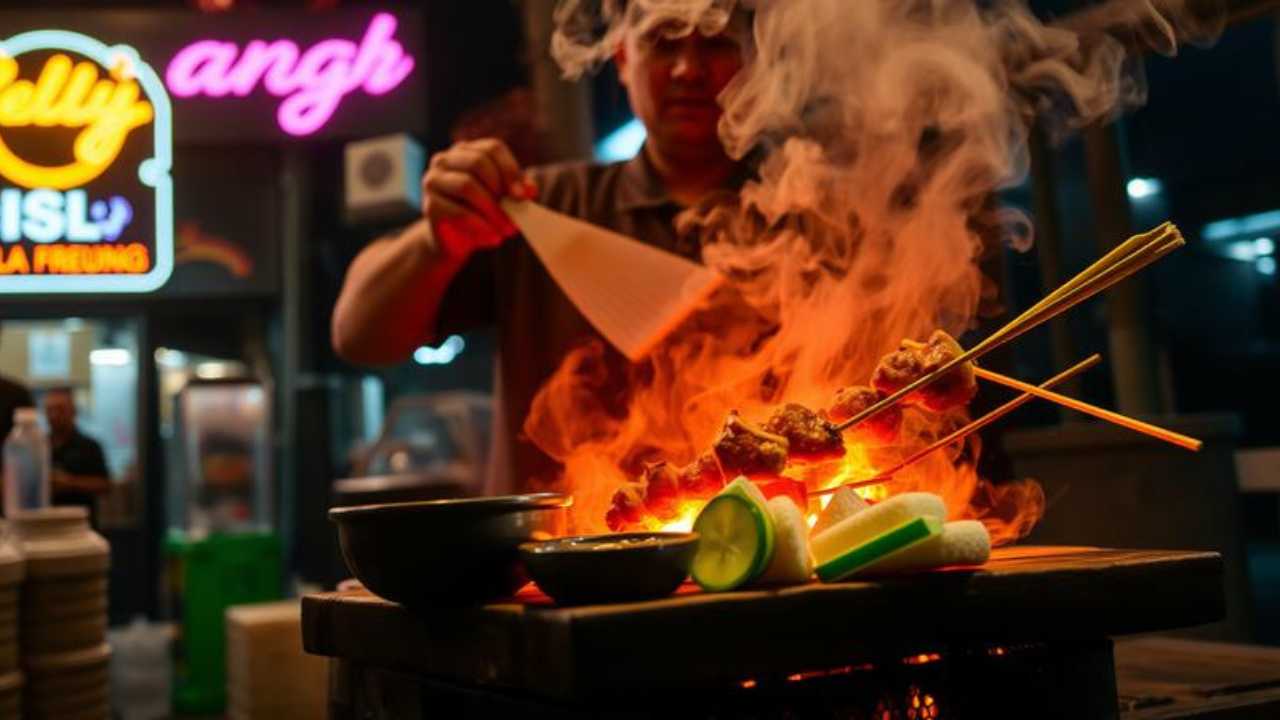
You’ve heard about Malaysia’s legendary food scene, but stepping into a hawker centre or local restaurant can feel overwhelming. With so many dishes, unfamiliar names, and aromatic spices, where do you even begin? You want to experience authentic Malay cuisine—not tourist versions—but you’re not sure which dishes are truly worth your time and appetite. This article is your ultimate guide to Malay food in Malaysia. We’ve curated 30 iconic dishes that define the nation’s culinary identity, from the creamy richness of nasi lemak to the spicy complexity of rendang. You’ll learn what makes each dish special, where to find them, and how to appreciate them like a local. Whether you’re planning a trip or simply expanding your food knowledge, consider this your passport to the vibrant, flavour-packed world of Malay cuisine. Selamat makan!
What is Malay Food?
Malay cuisine is the indigenous culinary tradition of the Malay people, forming the cornerstone of Malaysia’s multicultural food landscape. At its heart, Malay food is strong, spicy, and aromatic, combining the rich tastes of herbs and spices commonly found in Southeast Asia. The cuisine is characterized by the generous use of spices, with coconut milk playing a vital role in giving dishes their rich, creamy character.
Key Characteristics
-
Spice-forward: Lemongrass, shallots, ginger, chilies, and garlic are blended together to form flavour bases. The “four siblings” of Malay spices—star anise, cinnamon, cardamom, and clove—are frequently used.
-
Coconut milk (santan): Essential for creating rich, creamy curries and rice dishes.
-
Sambal: A spicy chili paste that accompanies almost every meal, made from pounded chilies, prawn paste, and lime juice.
-
Grilling over charcoal: A common cooking method that imparts a smoky flavour to dishes like satay, ikan bakar (grilled fish), and ayam panggang (grilled chicken).
-
Harmony of flavours: Malay cooking balances sweet, sour, salty, and lemak manis (coconut creamy umami).
Rice is the staple of every Malay meal, accompanied by curries, fried proteins, vegetables, and condiments. The cuisine has also been influenced by Indonesian (particularly Javanese and Sumatran), Chinese, Indian, and Arab culinary traditions.
Why Malay Food Matters—Benefits Beyond the Plate
Malay food is more than just delicious; it offers numerous benefits that make it a standout cuisine.
Rich in Natural Ingredients and Spices
Malay cooking uses generous amounts of spices like chili and turmeric, which not only enhance flavour but also offer antioxidant and anti-inflammatory properties. Ingredients like lemongrass, galangal, and lime leaves are packed with natural compounds that support overall health.
Balanced Nutrition When Combined Thoughtfully
When properly paired, a Malay meal can be a balanced combination of carbohydrates (rice), protein (meat, fish, or tofu), vegetables, and healthy fats (from coconut milk and nuts). Dishes like nasi kerabu (blue rice) are often served with a variety of fresh herbs and vegetables (ulam).
Probiotic Benefits from Fermented Foods
Traditional Malay fermented foods like belacan (shrimp paste), budu (fermented fish sauce), and tempoyak (fermented durian) have gained attention for their potential health benefits, particularly due to fermentation processes involving lactic acid bacteria. These foods serve as sources of essential vitamins, minerals, and probiotics.
Cultural and Social Connection
Malay food is deeply woven into the social fabric of Malaysia. Sharing a meal—whether at a kenduri (feast) or a casual nasi campur (mixed rice) stall—is a way of connecting with family, friends, and community. Food is more than sustenance; it is culture itself.
30 Must-Try Malay Dishes in Malaysia
Here is your ultimate checklist of iconic Malay dishes, categorized for easy exploration.
Rice-Based Dishes
| Dish | Description |
|---|---|
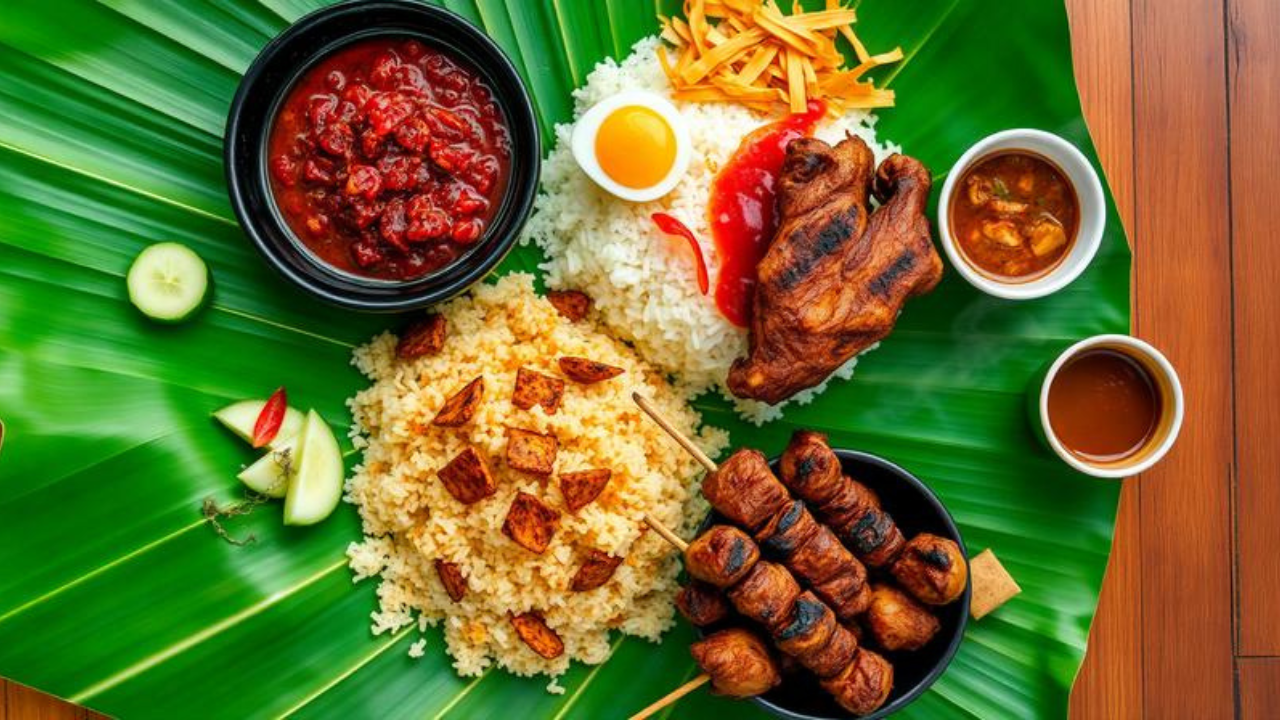
| 1. Nasi Lemak | Malaysia’s national dish—fragrant rice cooked in coconut milk and pandan leaves. Served with sambal, fried anchovies, boiled egg, peanuts, and cucumber. Often accompanied by fried chicken or rendang. |
| 2. Nasi Kerabu | A traditional dish from northeastern Malaysia featuring blue-coloured rice (dyed with butterfly pea flower), served with fresh herbs, fried fish, and spicy sambal. |
| 3. Nasi Campur | “Mixed rice”—a selection of curries, vegetables, and sambals served over rice, allowing you to choose your own combination. |
| 4. Nasi Ambeng | A celebratory rice dish of Javanese origin, common among Malays in Johor and Malacca. Served with an assortment of side dishes on a large platter. |
| 5. Nasi Lemuni | A unique dish from northern Malaysia where rice is cooked with the leaves of the lemuni plant, giving it a distinctive colour and aroma. |
Noodle Dishes
| Dish | Description |
|---|---|
| 6. Mee Goreng | Stir-fried yellow egg noodles with spices, vegetables, meat, and sauces—a hearty hawker favourite. |
| 7. Nasi Goreng | Malaysian-style fried rice with chicken, prawns, and vegetables, seasoned with sweet soy sauce. |
| 8. Laksa | A spicy noodle soup with a rich, tangy broth—one of Malaysia’s most beloved dishes. |
Meat Dishes
| Dish | Description |
|---|---|
| 9. Rendang | A slow-cooked, labour-intensive dry curry packed with layers of deep flavour. Originally a dry curry, not a stew. Beef is the most common version. |
| 10. Satay | Skewered, grilled meat (usually chicken or beef) served with chunky peanut sauce and ketupat (compressed rice cakes). Kajang satay is particularly iconic. |
| 11. Daging Salai Masak Lemak | Smoked beef cooked in rich, creamy coconut milk. |
| 12. Ayam Panggang | Grilled chicken marinated in spices, cooked over charcoal for a smoky flavour. |
| 13. Serunding | Spicy, shredded meat floss (usually beef or chicken) that is fried until dry and crispy. |
Seafood Dishes
| Dish | Description |
|---|---|
| 14. Asam Pedas | Fish cooked in a spicy-sour broth with strong accents of chili, tamarind, galangal, and lemongrass. |
| 15. Pari Asam Pedas | A version of asam pedas made with stingray. |
| 16. Ikan Bakar | Fish grilled over charcoal, often brushed with a spicy sambal marinade. |
| 17. Sambal Udang | Prawns cooked in a spicy, tangy sambal sauce. |
Vegetable & Side Dishes
| Dish | Description |
|---|---|
| 18. Ulam | A platter of fresh, raw vegetables and herbs served with sambal belacan—a healthy and refreshing side. |
| 19. Pajeri Nenas | A sweet and spicy pineapple curry, often served during festive occasions. |
Kuih (Traditional Cakes & Desserts)
| Dish | Description |
|---|---|
| 20. Ondeh-Ondeh | Chewy glutinous rice balls filled with melted palm sugar and coated in grated coconut. |
| 21. Kuih Ketayap | Rolled pandan-flavoured crepes filled with sweetened grated coconut. |
| 22. Tapai | Fermented glutinous rice or tapioca—a sweet, slightly alcoholic traditional snack. |
Condiments & Fermented Foods
| Dish | Description |
|---|---|
| 23. Sambal Belacan | A pungent, spicy condiment made from chili and fermented shrimp paste. |
| 24. Belacan | Fermented shrimp paste, a fundamental ingredient in Malay cooking. |
| 25. Budu | Fermented fish sauce, popular in the northeastern states. |
| 26. Tempoyak | Fermented durian paste—an acquired taste with potential probiotic benefits. |
| 27. Pekasam | Fermented fish or meat, preserved with salt and roasted rice. |
| 28. Cincalok | Fermented small shrimp, similar to belacan but with a different texture. |
Beverages
| Dish | Description |
|---|---|
| 29. Serbat | A spiced beverage culturally understood to warm the body, sustain stamina, and aid digestion. |
| 30. Teh Tarik | “Pulled tea”—sweet, frothy milk tea that is a national favourite. |
Common Mistakes to Avoid When Enjoying Malay Food
Whether you’re cooking or dining out, here are pitfalls to watch out for:
Using the Wrong Rice for Nasi Lemak
Nasi lemak rice needs to be creamy and sticky enough to hold the sambal. Using dry, fluffy basmati rice is a common mistake—the rice won’t soak up the sambal properly and the dish falls apart.
Overcooking Seafood
Overcooking fish and prawns results in a tough, rubbery texture. Seafood should be cooked just until done.
Boiling Curry Instead of Building Layers
Curries like rendang require slow cooking to develop depth. Boiling them like soup instead of building layers of flavour is a common error.
Adding Coconut Milk Too Early
Adding coconut milk too early in the cooking process can flatten the spice base. The technique of pecah minyak—where spices are fried until they release oil—is crucial for achieving peak flavour.
Skimping on Fresh Spices
Using old or pre-ground spices can dull the vibrant flavours that Malay cuisine is known for. Toast dried spices and use fresh aromatics for the best aroma.
Not Tasting as You Cook
Add ingredients—especially salt, sugar, and spices—slowly and taste as you go. This prevents over-salting or overseasoning.
Using Too Much Garlic
While garlic is essential, using too much can make a dish taste harsh and overpowering.
FAQs About Malay Food in Malaysia
1. What is the most famous Malay dish in Malaysia?
Nasi lemak is widely hailed as Malaysia’s national dish. It features fragrant coconut milk rice served with sambal, fried anchovies, boiled egg, peanuts, and cucumber. It’s so significant that some say it could be on the Malaysian flag.
2. What are the main ingredients in Malay cooking?
Key ingredients include coconut milk, chili, lemongrass, lime leaves, turmeric, galangal, shallots, garlic, and fermented shrimp paste (belacan). The “four siblings” of spices—star anise, cinnamon, cardamom, and clove—are also fundamental.
3. Is Malay food very spicy?
Malay food is generally spicy and will always be accompanied by a chili-based sambal. However, the level of heat varies—dishes like rendang offer rich, layered spice without overwhelming heat, while others like asam pedas pack a fiery punch.
4. What is the difference between Malay, Chinese, and Indian food in Malaysia?
Malay food is indigenous and features coconut milk, spices, and sambal. Chinese Malaysian food incorporates soy sauce, noodles, and stir-frying techniques. Indian Malaysian cuisine is rich with curry leaves, lentils, and roti. The three traditions have also influenced each other, creating unique fusion dishes like Peranakan (Nonya) cuisine.
5. What is the proper way to eat a Malay meal?
Traditionally, Malays eat with their right hand. Dishes are often served all at once and placed in the middle of the table. Wait for the host to start eating before helping yourself. At hawker centres and food courts, you’ll find a more casual, self-service approach.
Conclusion
Malay food is the beating heart of Malaysia’s culinary identity—a vibrant tapestry of spices, coconut milk, and centuries of tradition. From the iconic nasi lemak to the complex, slow-cooked rendang, each dish tells a story of cultural exchange, local ingredients, and the simple joy of sharing a meal. Whether you’re exploring the hawker stalls of Kuala Lumpur, the street food of Penang, or recreating these flavours in your own kitchen, you’re participating in a rich culinary heritage that continues to evolve. So go ahead—dive in, try something new, and let the flavours of Malaysia transport you. And if you enjoyed this guide, be sure to check out our article on Malaysian street food essentials to continue your food journey. Selamat makan!
Summary
Malay food is the beating heart of Malaysia’s culinary identity—a vibrant tapestry of spices, coconut milk, and centuries of tradition. From the iconic nasi lemak to the complex, slow-cooked rendang, each dish tells a story of cultural exchange, local ingredients, and the simple joy of sharing a meal. Whether you’re exploring the hawker stalls of Kuala Lumpur, the street food of Penang, or recreating these flavours in your own kitchen, you’re participating in a rich culinary heritage that continues to evolve.
Call to Action (CTA)
So go ahead—dive in, try something new, and let the flavours of Malaysia transport you. And if you enjoyed this guide, be sure to check out our article on Malaysian street food essentials to continue your food journey. Selamat makan!
Snackable Takeaways (For Social/Newsletters)
-
30 must-try dishes, from smoky satay to creamy rendang.
-
Learn the “four siblings” of Malay spices.
-
Insider tips on what to order and how to eat like a local.