
Introduction
The most underrated line item in your travel budget isn’t the hotel—it’s what you eat. The OECD notes that food often makes up 30% or more of tourist spending, and that money is frequently spent directly with local businesses. That’s not just a fun fact; it’s a map. Follow your meals, and you’ll find the real economy of a place.
But here’s the problem: the internet has turned “culinary travel experiences” into a scavenger hunt for reservations and viral dishes. You land, you queue, you post, you leave—without ever understanding why the food tastes like here, and not anywhere else.
Meanwhile, a different kind of traveler is quietly taking over: the one who plans a trip around markets, home cooking, neighborhood bakeries, and small producers. The World Food Travel Association says 53% of leisure travelers are “food travelers.” That’s not niche behavior anymore; that’s the mainstream.
This article argues for a smarter approach: the best culinary travel experiences come from entering a place’s food ecosystem—not just dining in its most famous room. I’ll show you how to do it, where the trends are heading, and how to travel in a way that tastes good and does some good.
Background / Context
Culinary travel didn’t appear out of nowhere—it rose with the “experience economy,” where travelers increasingly pay for meaning, not just sights. The OECD framed this shift years ago: tourism is part of the experience economy, and food plays a growing role because it delivers culture in a form anyone can access.
What’s changed recently is the shape of demand. Travelers don’t only want to eat well; they want to participate. UNWTO’s Global Report on Food Tourism describes food tourism as one of the most dynamic segments of tourism and links it directly to local identity, sustainability, and local products.
Data points from multiple corners of the industry tell the same story. In a 2024 survey report by EY, “typical food” sits right in the mix of why people travel—grouped with exploring cultures and visiting places. And the “hands-on” category is booming: Tripadvisor’s 2026 Trendcast reports experience bookings with children’s tickets are up year-over-year, with cooking classes up +47%. Airbnb’s 2026 travel predictions similarly call out food-and-drink experiences as among the most booked, highlighting baking and cooking experiences influenced by social video trends.
The punchline is simple: culinary travel experiences have moved from a restaurant problem (“Where do I book?”) to a culture problem (“How do I belong here—briefly, respectfully, and joyfully?”).
Main Body
The “Food Ecosystem” Rule: Great Meals Come From Great Networks
A destination doesn’t become delicious by accident. It becomes delicious when a whole chain works: growers, fishers, millers, bakers, market sellers, cooks, and the people who show up every day to buy dinner. That’s why culinary travel experiences hit harder in places with strong market culture—because you can see the system.
UNWTO’s food tourism report makes this point in practical terms: the core offerings aren’t just restaurants. In its survey of organizations, the most emphasized gastronomic products include food events (79%), followed by gastronomic routes and cooking classes/workshops (62%), and visits to markets and producers (53%). Those categories describe an ecosystem, not a single meal.
This is also why “heritage” matters—not as a museum label, but as a sign that food traditions are still practiced and protected. UNESCO, for example, calls the 2010 inscription of Traditional Mexican Cuisine a milestone and emphasizes the role of knowledge keepers and heritage practitioners—people whose work sustains the cuisine as living culture, not tourist performance.
Here’s what this looks like on the ground (even if you never set foot in a fine-dining restaurant): you start in the morning with a market breakfast, you snack where locals snack, you learn one ingredient that defines the region, and you notice how often the same flavors repeat across neighborhoods—because the supply chain is local and the tastes are shared. That’s the “taste of place” you can’t fake with a list of top ten addresses.
The persuasion piece: if you want culinary travel experiences that feel real, pick destinations—and neighborhoods—where everyday food still belongs to everyday people. The glamour restaurants can be part of the story, but they’re rarely the whole story.
Hands-On Beats Hands-Off: Why Cooking Classes, Bakeries, and Home Meals Are Winning
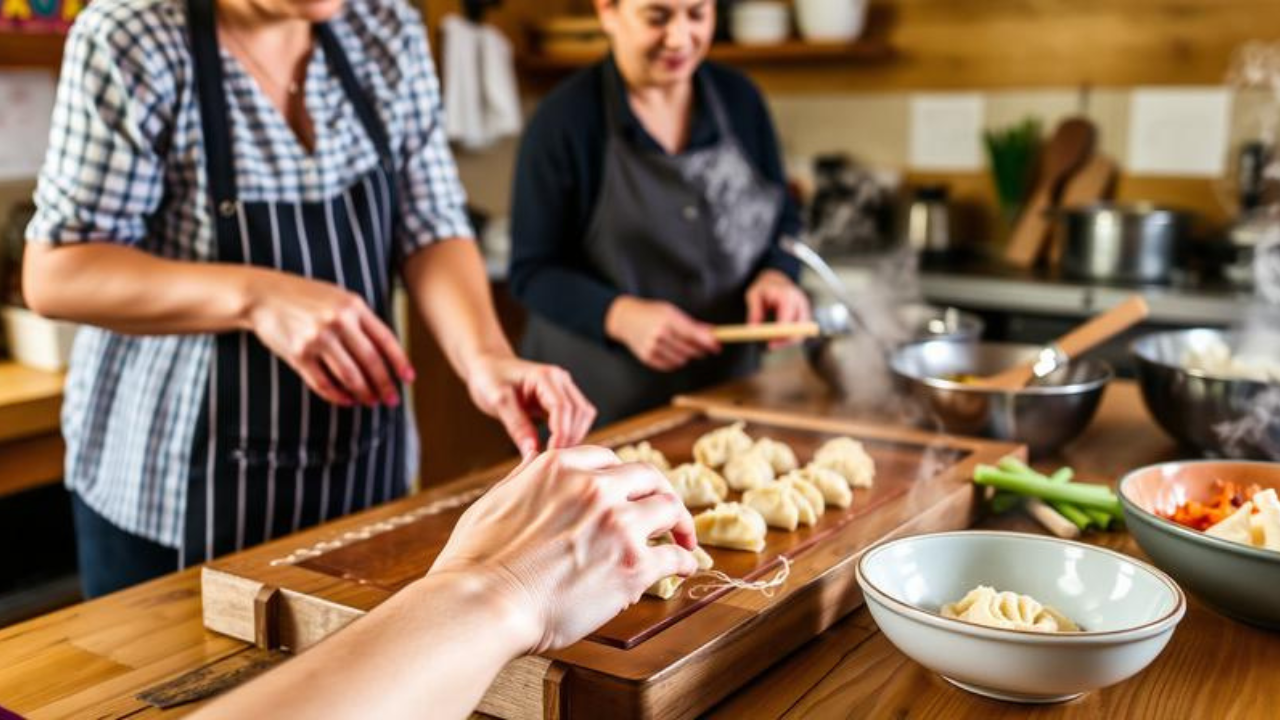
A decade ago, “culinary travel” often meant sitting quietly while someone else cooked. Today, the most memorable culinary travel experiences increasingly put an apron on you.
Tripadvisor’s 2026 Trendcast reports a clear family-travel signal: year-over-year growth in bookings for experiences with children’s tickets includes cooking classes (+47%), suggesting travelers are prioritizing immersive, participatory activities—not just passive sightseeing. Airbnb’s 2026 travel predictions echo the same direction: it highlights food-and-drink experiences among the most-booked categories and points to hands-on baking and cooking experiences (like croissant classes, mochi making, and cake baking) that are being amplified by social video.
The appeal isn’t only entertainment. A cooking class (when it’s good) teaches you three things fast:
- Technique: the “why” behind texture and flavor.
- Ingredients: what locals treat as normal that you treat as exotic.
- Social rules: how a culture hosts, shares, celebrates, and feeds people.
This is why UNESCO’s description of washoku—traditional dietary cultures of the Japanese—matters even if you never quote it on your trip. UNESCO frames washoku as a social practice built on skills and knowledge tied to production, preparation, and consumption. That’s exactly what hands-on culinary travel experiences let you touch: food as a lived system, not a menu category.
If you want one practical strategy: treat one cooking class, bakery workshop, or market tour as your “translation device” for the destination. After that, restaurants make more sense because you’ve learned the local grammar.
And yes—sometimes this means skipping the hottest reservation in town. The best souvenir might be the ability to make one dish well enough that, weeks later, your kitchen briefly smells like your trip.
Go Upstream: The Producer Visits That Turn a Meal Into a Story
Most travelers only meet food at the finish line: plated, garnished, photographed. But the strongest culinary travel experiences often happen upstream, where the food still looks like work.
The OECD’s observation about spending is the economic argument for this: if food is 30% or more of tourist expenditure and is often spent directly with local businesses, then “where you eat” is also “who you support.” Buying at a market stall, taking a small-group farm visit, or booking a local producer tour can keep more value inside the community than spending the same amount inside a globalized supply chain.
This isn’t just a moral preference; it’s a development strategy. UN Tourism and the FAO’s Mountain Partnership launched a project focused on sustainable gastronomy tourism itineraries and value chains in Pacific Small Island Developing States, explicitly linking tourism experiences to agrifood systems and income opportunities for small-scale producers. That’s the core idea: done well, culinary travel can connect visitors to local producers in ways that diversify incomes and protect food traditions.
Zoom out further, and you can see the same logic inside the UN’s Sustainable Development Goals. SDG target 8.9 calls for policies that promote sustainable tourism that creates jobs and promotes local culture and products—language that fits food tourism almost perfectly.
So what should you look for when you “go upstream”?
- A seafood morning where the guide explains seasonality and catch methods.
- A cheese maker who can tell you what changed when the weather shifted.
- A vineyard (or orchard, or cacao farm) where the tasting includes labor, land, and history—not just flavor notes.
The persuasive claim here is not that every traveler must become an activist. It’s simpler: when you understand where the food comes from, you stop traveling like a consumer and start traveling like a guest.
Build a Trip Around Food Without Turning It Into a Checklist: The 3-Layer Itinerary
Here’s the trap most smart travelers fall into: they plan culinary travel experiences the way they plan museums—one “best of” stop after another. Food doesn’t work like that. It’s time-based, neighborhood-based, and social.
A better approach is a 3-layer itinerary that makes room for both planning and surprise:
Layer 1: One daily ritual
Pick a repeatable habit that anchors your day: a morning pastry, a late afternoon snack, a night market walk. This builds pattern recognition fast. You start noticing what locals consider normal—which is the whole point.
VisitScotland’s 2026 trends report describes travelers seeking meaningful, intentional experiences and notes a boom in food tourism shaped by social media, including interest in “off the beaten track” places where locals eat—and not only restaurants but street food and casual options too. A daily ritual is how you actually find those places.
Layer 2: One “anchor” culinary experience per day
Anchor experiences are the things you do around food: a market tour, a cooking class, a producer visit, a food festival. UNWTO’s report effectively lists the anchors that destinations emphasize most—events, routes/classes, markets/producers—because they travel well and teach fast.
Layer 3: A neighborhood window
Choose one neighborhood per day where you’ll roam with no plan beyond hunger. This is where the trip stops feeling like a project and starts feeling like real life.
A final reason this structure works: it protects you from the tyranny of hype. You can still chase one famous meal if you want—but it becomes a highlight, not the whole plot.
Counterargument / Nuance
Culinary travel experiences aren’t automatically virtuous. Done poorly, they can flatten culture into content and turn living neighborhoods into themed dining districts.
UNWTO’s own framing includes a caution embedded in its promise: it ties food tourism to values like authenticity and sustainability—values that can erode when destinations optimize only for volume. 3 When too many visitors chase the same few viral spots, lines grow, rents climb, menus shift toward tourists, and the people who made the food culture compelling can get priced out.
There’s also the carbon-and-consumption reality: flying long-haul for a single meal is hard to defend if the trip doesn’t deepen into something larger (learning, connection, supporting local producers). And “authentic” can become a dishonest word—because food cultures evolve, and locals also eat modern food, fusion food, lazy food, celebratory food.
The nuance I’d argue for is this: don’t aim for purity. Aim for reciprocity. Spend in places where money stays local, choose experiences that teach rather than extract, and treat culinary traditions as living systems—not trophies.
Actionable Takeaways
- Plan one anchor food experience per day (market tour, cooking class, producer visit), then keep the rest flexible.
- Start with a market, not a Michelin list. Markets reveal what’s in season, what’s affordable, and what locals actually cook.
- Go hands-on at least once. Cooking classes are surging for a reason: they turn a destination’s flavors into skills you keep.
- Spend where your money helps a local web of businesses. Food often represents 30%+ of tourist spend; direct it intentionally.
- Treat “typical food” as culture, not a side quest. Many travelers rank it alongside exploration and relaxation.
FAQs
1) What are culinary travel experiences?
They’re travel activities where food is the main lens for understanding a place—restaurants, yes, but also markets, cooking classes, food events, and visits to producers.
2) Do I need to be a “foodie” to enjoy culinary travel?
No. Most great culinary travel experiences are beginner-friendly: a market breakfast, a simple cooking class, or a guided street-food walk. The goal isn’t expertise—it’s curiosity.
3) What’s the best first step when I land in a new destination?
Go to a market early and eat something simple. UNWTO’s report highlights visits to markets and producers as a common food-tourism product offering for destinations.
4) Are cooking classes actually worth it?
Often, yes—especially if they include ingredient context (shopping, seasonality, local techniques). Tripadvisor’s 2026 Trendcast reported cooking class bookings with kids’ tickets up +47% year-over-year, suggesting travelers see these as meaningful immersion.
5) How can I make my culinary travel more ethical?
Choose locally owned operators, book small-group experiences, and prioritize local supply chains. The OECD notes food is a large share of tourist spending and frequently goes directly to local businesses—so your choices can materially affect communities.
6) Is culinary tourism just restaurants and wine?
Not anymore. Airbnb’s 2026 travel predictions point to strong demand for hands-on food-and-drink experiences like baking and making local specialties, not just dining out.
7) What if I have allergies or dietary restrictions?
You can still do culinary travel—focus on markets (ingredient visibility), cooking classes (control and communication), and cuisines with clear labeling norms. When possible, book experiences that explicitly accommodate restrictions.
Conclusion
Culinary travel experiences work because they do something museums can’t always do: they pull you into daily life. They teach you what people grow, what they celebrate, what they consider comforting, and what they’re proud to serve to guests. And they matter economically—food can represent 30% or more of tourist spending, often flowing directly to local businesses.
Right now, the trend lines all point toward deeper, more participatory travel: cooking classes are rising, hands-on experiences are heavily booked, and travelers are building itineraries around food with an intensity that used to be reserved for landmarks.
So here’s the promise to keep: don’t chase meals like collectibles. Enter a food ecosystem. Learn one technique. Meet one producer. Walk one neighborhood with no plan but hunger. If you do that, you won’t just come home remembering what you ate—you’ll remember what you understood.