
Introduction
On any given trip, you’ll spend money on hotels, transit, museums—and then you’ll quietly spend a lot on food. The OECD puts it bluntly: food often makes up 30% or more of tourist expenditure, and that cash tends to land directly with local businesses.
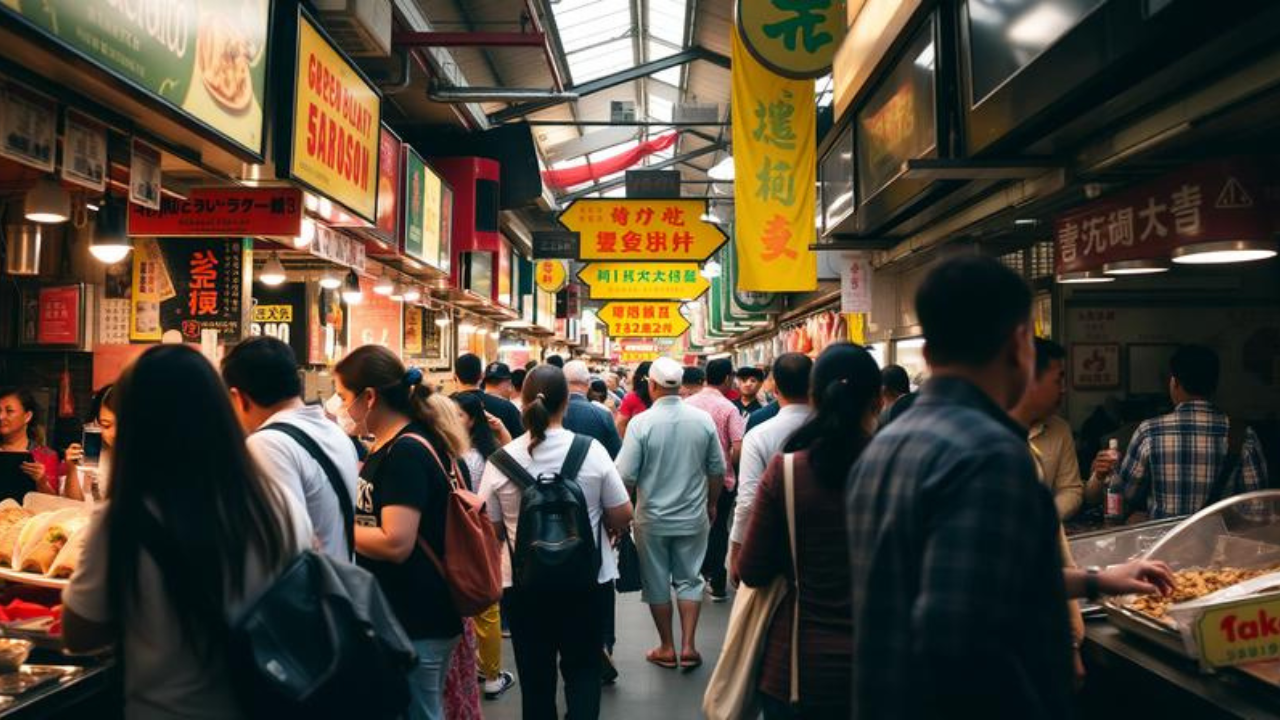
That’s the big opportunity (and the big trap) of modern travel. Opportunity, because a bowl of noodles or a market breakfast can teach you more about a place than a checklist of “must-sees.” Trap, because “food tourism destinations” have become a social-media genre—one that sometimes confuses hype for heritage and reservations for reality.
So here’s the question this article answers: Which destinations actually deliver a “taste of place,” and how do you spot them before you book?
My argument is simple: the best food tourism destinations aren’t defined by one famous restaurant—they’re defined by a whole edible ecosystem: markets, farms, street vendors, bakeries, and chefs who turn local identity into something you can literally taste. This is your guide to finding them—and traveling them well.
Background
Food tourism isn’t a niche anymore; it’s the mainstream layer underneath almost every trip. The World Food Travel Association defines food tourism as pursuing “unique and memorable food and drink experiences,” and reports that 53% of leisure travelers are “food travelers.”
Part of the surge is cultural. The OECD describes tourism’s shift toward the experience economy: travelers increasingly chase “must-experience” culture—atmosphere, creativity, lifestyle—rather than only monuments. Food is the most accessible version of that shift because it’s daily, sensory, and social.
Institutions have noticed. UN Tourism (formerly UNWTO) has argued that gastronomy has become a major motivation to visit destinations, and notes that the motivation of “experiencing gastronomy” now sits at a similar level to classic cultural activities like museums and architecture.
And UNESCO has effectively created a global short list of places taking food seriously as policy, heritage, and identity: the UNESCO Creative Cities Network (founded in 2004) includes a “Gastronomy” field—cities that commit to using culinary culture as a driver of sustainable development, education, and community.
In other words: food tourism is no longer just about eating well. It’s about understanding how a place works—and deciding what kind of impact you want your travel spending to have.
Main Body
What makes a “real” food tourism destination? Five signals to look for
Before we jump into the best food tourism destinations, here’s the filter that keeps you from building a whole vacation around a single viral address.
Signal #1: Food is an economy, not a costume.
A true food destination doesn’t only perform local flavor for visitors—it employs locals, supports producers, and keeps money circulating nearby. The OECD emphasizes that food spending is substantial and often goes straight to local businesses.
Signal #2: There’s a “taste of place” philosophy.
The Basque Culinary Center frames gastronomy tourism as traveling for a “taste of place” to get a “sense of place.” That’s the north star: flavor as geography, history, and identity—not just entertainment.
Signal #3: You can eat well at multiple price points.
If the destination only “works” at $300 tasting-menu scale, it’s not a food city; it’s a stage set. Real culinary capitals have excellent street food, casual spots, bakeries, and markets—plus a few ambitious restaurants that push the culture forward.
Signal #4: The city protects (or at least talks seriously about) food systems.
Look for programs around food access, local agriculture, skills training, and small-business support—because those things keep culinary culture alive.
Signal #5: The story is bigger than the plate.
UN Tourism highlights gastronomy as a bridge to culture, agriculture, manufacturing, and sustainability. A destination becomes magnetic when food connects to everything else.
Now: the destinations.
Mexico City + Oaxaca, Mexico: the world’s best classroom for living food heritage
If you want one trip that explains why food tourism matters, make it Mexico City plus Oaxaca.
UNESCO calls the 2010 inscription of Traditional Mexican Cuisine a milestone, emphasizing living knowledge, heritage practitioners, and cuisine’s role in sustainable development. That matters because Mexico isn’t just delicious—it’s structured: corn cultures, market cultures, and regional identities that show up in the everyday.
In Mexico City, start where locals start: not at a “best tacos” listicle address, but at breakfast—sweet bread and coffee, a late-morning market snack, a long lunch that turns into an afternoon. The city’s magic trick is density: the way you can eat a perfect, humble dish on the street and then—ten minutes later—find a chef reinterpreting the same tradition with obsessive care.
In Oaxaca, the food hits differently. It’s not merely “great Mexican food”; it’s a masterclass in ingredient-driven tradition: chiles, chocolate, corn, moles, smoky mezcal, and the kind of markets that feel like they’ve been rehearsing for centuries. Oaxaca rewards slow travel: you don’t “do” it in a weekend; you let it teach you.
Why it belongs on any list of top food tourism destinations:
Because it’s not a trend destination. It’s a destination where culinary identity is still a living, community practice—exactly what UNESCO points to when it highlights the heritage value of traditional Mexican cuisine.
Tokyo + Kyoto, Japan: washoku as a worldview (and why it’s not just sushi)
Japan is one of the few places where even “ordinary” meals can feel like design objects—careful, seasonal, precise. But the deeper reason Japan dominates culinary travel is cultural, not aesthetic.
UNESCO inscribed Washoku—traditional dietary cultures of the Japanese—on its Representative List of the Intangible Cultural Heritage of Humanity, describing it as a social practice grounded in skills, knowledge, and traditions tied to production, preparation, and consumption (notably around New Year).
That framing is a cheat code for travelers. It tells you what to look for:
- Seasonality (what’s “right now,” not what’s available year-round)
- Balance (flavors, textures, colors, nutrition)
- Respect for ingredients (minimal manipulation when the ingredient is the point)
- Ritual (how meals mark time and relationships)
Tokyo is the modern engine: specialization at scale, from ramen counters to sushi bars to dessert shops that do one thing better than seems rational.
Kyoto is the quieter teacher: a city where seasonality and restraint feel like a dialect—spoken in tofu, pickles, tea culture, and refined local cooking.
Why it’s a top food tourism destination:
Because Japan doesn’t just offer “great restaurants.” It offers a coherent food culture—validated by UNESCO as intangible heritage—that you can taste at street level and at the highest level.
The UNESCO City of Gastronomy circuit (plus Lima): where food is policy, pride, and serious money
Here’s the most underrated travel hack in culinary tourism: follow the UNESCO Creative Cities Network (Gastronomy). It’s not a “best restaurants” award; it’s closer to a civic commitment—cities using food culture to shape development.
UNESCO publishes an official list of Creative Cities in the Gastronomy field (with years), and it’s stacked with destinations that still feel discoverable.
Parma, Italy (UNESCO Creative City of Gastronomy, 2015)
Parma is a pilgrimage for anyone who loves the idea that place can be protected in food—cheeses, cured meats, wine, and craft that only make sense where they’re made. UNESCO recognized Parma as a City of Gastronomy in 2015, and the city’s UNESCO reporting emphasizes that the title carries responsibility amid challenges like food insecurity and unsustainable production/consumption—language you don’t see in pure foodie marketing.
How to do Parma like a journalist:
Go beyond trattorias. Visit producers (cheese, ham, tomato chain), then come back into town and notice how the craft becomes daily life.
Tucson, Arizona (UNESCO Creative City of Gastronomy, 2015)
Yes, Tucson. UNESCO’s Creative Cities page describes Tucson’s deep agricultural history and the way its distinctive cuisine developed from traditional ingredients and culinary techniques—plus a civic focus on local food production and distribution.
This is what makes Tucson special as a food tourism destination: it’s not trying to be New York or L.A. It’s telling a Sonoran Desert story—through chiles, beans, grains, and borderland traditions—and building tourism around a food system, not just a restaurant scene.
San Antonio, Texas (UNESCO Creative City of Gastronomy, 2017)
San Antonio’s UNESCO profile reads like a map of migration: Indigenous roots, Spanish colonists, later influences from Europe, Asia, and Africa—forming a complex fusion the city calls distinct. UNESCO also notes the culinary arts as a fast-growing industry, citing 12% annual growth and an economic impact of US$4.3 billion on the page.
That’s the point: in San Antonio, food is heritage and business and community health initiatives—right there in the UNESCO write-up.
Lima, Peru (not UNESCO—yet—but arguably the loudest culinary capital of the last decade)
If UNESCO cities are the “policy-and-heritage” lane, Lima is the “chef-led global spotlight” lane.
In June 2023, Central (Lima) was named No. 1 on The World’s 50 Best Restaurants list—historic as the first South American venue to take the top spot. Then in 2025, Maido (Lima) took the No. 1 position.
You don’t need to care about rankings to care about what they reveal: Lima has become a place where chefs translate biodiversity, coastal ingredients, Andean traditions, and Nikkei influence into a food identity travelers will cross oceans to experience.
How to do Lima right:
Eat ceviche early. Go to markets. Let the city teach you that “food tourism” can mean both a $2 snack and a once-in-a-life tasting menu—and that the two are part of the same story.
Counterargument / Nuance
Food tourism has a shadow side, and pretending it doesn’t exist is how destinations lose their soul.
First, success can price out locals. When a neighborhood becomes a “must-eat” zone, rents rise, menus drift toward tourist expectations, and the cooks and vendors who built the culture may get squeezed. Second, “authenticity” can become a performance: travelers start hunting for the “real” version of a dish, as if culture stops evolving the moment it becomes legible to outsiders. Third, the climate and labor realities matter. A reservation-driven, flight-heavy style of culinary travel can be resource-intensive—and the kitchen work that fuels it is often undervalued.
The fix isn’t to quit traveling or quit eating. It’s to travel with better instincts: spend money in places that keep wealth local, value markets and day-to-day foodways as much as “famous” spots, and treat culinary culture as a living thing—not a souvenir you consume.
Actionable Takeaways
- Choose ecosystems, not trophies. Pick destinations where markets, producers, and casual food shine—not only fine dining.
- Use UNESCO as a shortcut. Browse UNESCO Creative Cities (Gastronomy) to find places treating food as heritage and development, not just marketing.
- Build one “anchor meal” per day—then wander. Plan a market visit or local specialty, and leave room for surprises.
- Spend where the money stays local. Independent spots, markets, bakeries, and producer visits usually keep more value in the community.
- Ask one good question. “What should I eat this week?” gets you seasonality and local pride in one sentence.
FAQs (5–7)
1) What are “food tourism destinations,” exactly?
They’re places where food is a primary reason to visit—and where local cuisine offers a meaningful “taste of place,” not just good meals.
2) Is food tourism only for “foodies” with big budgets?
No. Food tourism can be street food, markets, and home-style restaurants. In fact, those are often the most culturally informative experiences.
3) What’s the most reliable way to pick a great culinary travel destination?
Look for strong local food systems (markets + producers), living heritage signals (UNESCO intangible heritage or Creative Cities), and breadth across budgets.
4) Why do UNESCO designations matter for food travel?
UNESCO recognitions often indicate a destination is actively protecting and promoting culinary culture—either as intangible heritage (like washoku) or as a Creative City of Gastronomy (like Tucson and San Antonio).
5) Do rankings like World’s 50 Best actually help plan a trip?
They can—if you treat them as signals, not gospel. For example, they’ve spotlighted Lima via Central (No. 1 in 2023) and Maido (No. 1 in 2025), reinforcing the city’s global culinary momentum.
6) How do I travel more ethically as a food tourist?
Prioritize locally owned businesses, tip fairly, avoid exploitative “poverty tourism” food tours, and treat vendors and cooks as experts—not props.
7) What if I have dietary restrictions—can I still do food tourism?
Yes. Focus on destinations with strong market culture and ingredient transparency (Japan and many UNESCO gastronomy cities can be great), and plan a few “safe” spots so you can explore without stress.
Conclusion (150–200 words)
The best food tourism destinations don’t just feed you; they translate a place. They turn climate into ingredients, history into technique, migration into flavor, and community into ritual. And because food often accounts for 30% or more of what travelers spend, your choices shape local economies in a direct, daily way.
So yes—go to Mexico City and Oaxaca for living heritage recognized by UNESCO. Go to Tokyo and Kyoto to taste washoku as a worldview, not a menu category. Go to Parma, Tucson, and San Antonio to see what happens when cities treat gastronomy as development strategy, not decoration. And if you want to understand how a global culinary capital forms in real time, follow Lima’s rise from street-level classics to world-stage restaurants.
Travel can be shallow, or it can be intimate. Food—when you do it with intention—is the fastest way to make a place feel like more than a backdrop.