
Introduction
Ever wondered what happens when crispy fried fish meets a fiery, creamy seafood sauce? That’s pescado a lo macho in a nutshell. This iconic Peruvian dish isn’t just a meal—it’s a bold statement on a plate. The name literally translates to “fish macho-style,” and legend says you need to be brave to handle its spicy kick. But don’t let that scare you off.
In this guide, you’ll learn everything you need to know about pescado a lo macho. We’ll cover its origins, key ingredients, health benefits, and a step-by-step recipe tailored for students on a budget. By the end, you’ll be ready to impress your friends with a restaurant-quality dish that tastes like it came straight from a Lima kitchen.
Table of Contents
-
What Is Pescado a lo Macho?
-
Why Does Pescado a lo Macho Matter? Key Benefits
-
Pescado a lo Macho — Key Facts, Ingredients, and Variations
-
How To Make Pescado a lo Macho: Step-by-Step Recipe
-
Common Mistakes and Myths to Avoid
-
Expert Tips for Best Results
-
Frequently Asked Questions
-
Conclusion
What Is Pescado a lo Macho?
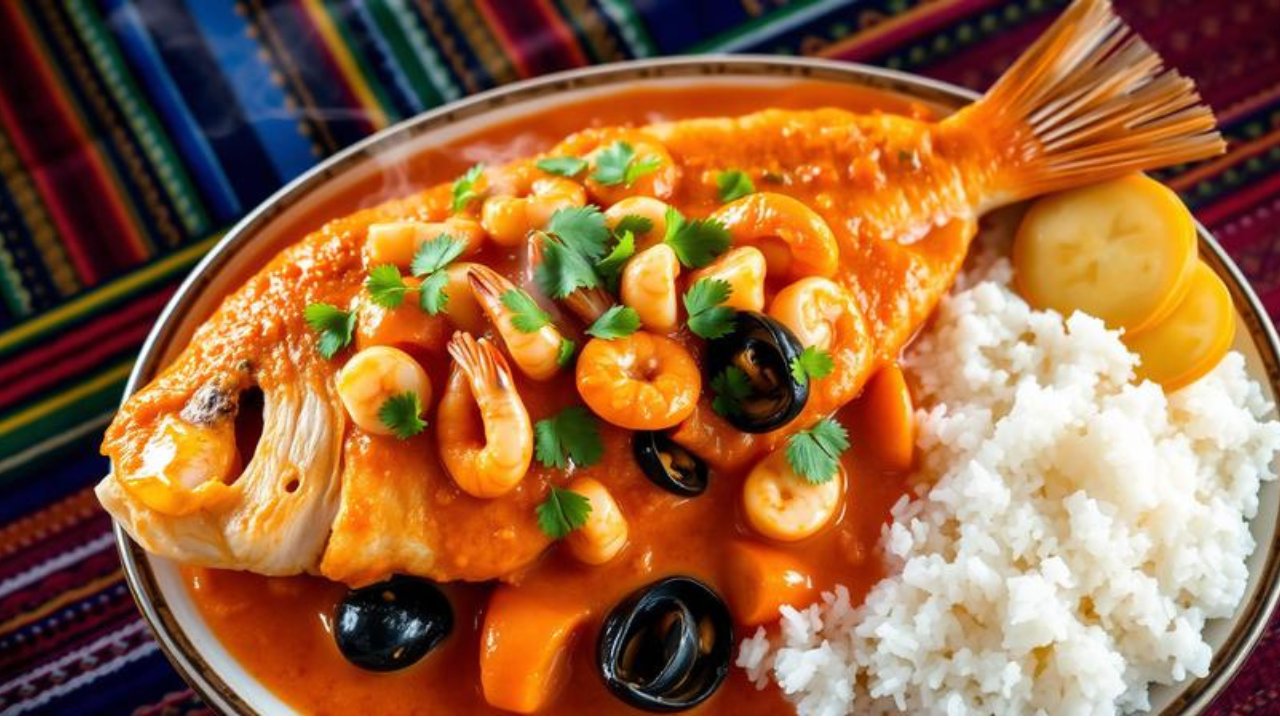
Pescado a lo macho is a classic Peruvian seafood dish featuring a fried white fish fillet smothered in a rich, spicy sauce loaded with mixed seafood like shrimp, squid, mussels, and scallops. Think of it as the ultimate surf-and-turf, but entirely from the ocean.
The dish emerged in Lima during the 1950s at a restaurant called “El Pildorín”. There are two main stories behind its name. The first credits a military commander nicknamed “Macho” Frías, who supposedly created it. The second, more playful theory suggests you need to be a “macho” man to handle the heat from the Peruvian chilies. Either way, it’s a dish with personality.
Today, you’ll find countless versions across Peru and beyond. Some use whole fish, others prefer fillets. Some add cream for richness, others keep it lighter. But the soul of pescado a lo macho remains the same: a crispy fish base crowned with a vibrant, slightly spicy seafood sauce.
Why Does Pescado a lo Macho Matter? Key Benefits
Pescado a lo macho isn’t just delicious—it’s also packed with nutrients. Here’s why you should add it to your cooking rotation:
-
High-quality protein: Fish and seafood are excellent sources of lean protein, essential for muscle repair and growth—perfect for active students.
-
Omega-3 fatty acids: White fish like corvina and merluza are rich in omega-3s, which support brain health and reduce inflammation.
-
Essential vitamins and minerals: Seafood provides iodine (crucial for thyroid function), potassium, phosphorus, and magnesium.
-
Budget-friendly protein: Compared to steak or chicken, white fish and mixed seafood can be affordable, especially if you buy frozen.
-
Versatile and customizable: You can adjust the spice level and swap seafood based on what’s on sale.
-
Impressive presentation: This dish looks like it came from a high-end restaurant, making it perfect for impressing friends or family.
According to a 2023 study published in the Journal of Nutrition, regular consumption of fatty fish is linked to a 15% lower risk of cognitive decline. While pescado a lo macho uses white fish, the seafood medley still delivers a powerful nutritional punch.
Pescado a lo Macho — Key Facts, Ingredients, and Variations
Key Ingredients
The beauty of pescado a lo macho lies in its simplicity. Here’s what you typically need:
For the Fish
-
White fish fillets: Corvina, merluza (hake), lenguado (sole), or cabrilla are traditional choices.
-
Flour: For dredging and creating a crispy crust.
-
Oil: For frying.
For the Sauce (Salsa de Pescado a lo Macho)
-
Aromatics: Onion, garlic.
-
Peruvian chilies: Ají amarillo (yellow chili) and ají panca (red chili) are essential. Rocoto adds extra heat.
-
Tomatoes: Fresh or paste.
-
Seafood stock or broth: For depth of flavor.
-
White wine or pisco: Adds acidity and complexity.
-
Cream or evaporated milk: Optional, for a richer sauce.
-
Seafood mix: Shrimp, squid rings, mussels, scallops, clams, and sometimes octopus.
Variations
| Variation | Description |
|---|---|
| Traditional (Lima style) | Uses corvina, a mix of seafood, ají amarillo, ají panca, and often cream. Served with white rice or yuca. |
| Coastal (Criolla style) | Emphasizes fresh seafood from the Pacific, sometimes using whole fish instead of fillets. |
| Modern / Fusion | May use different fish (like halibut or cod) and incorporate non-traditional ingredients like beer or potato for thickening. |
| Budget-Friendly | Uses tilapia or basa fillets and a simpler seafood mix (shrimp and squid only). |
| Dairy-Free | Omits cream and uses blended potato to thicken the sauce. |
How To Make Pescado a lo Macho: Step-by-Step Recipe
Ready to cook? This pescado a lo macho recipe is designed for students with limited kitchen experience. It serves 4 and takes about 45 minutes.
Step 1: Season and Dredge the Fish
Pat dry 4 white fish fillets (like merluza or tilapia). Season both sides with salt, pepper, and a pinch of garlic powder. Dredge each fillet in all-purpose flour, shaking off any excess. This creates that signature crispy coating.
Step 2: Fry the Fish
Heat about ½ inch of vegetable oil in a large skillet over medium-high heat. Once hot, carefully place the fillets in the pan. Fry for 3-4 minutes per side until golden brown and crispy. Transfer to a paper towel-lined plate and set aside.
Step 3: Sauté the Aromatics and Chilies
In a separate large pan or deep skillet, melt 2 tablespoons of butter over medium heat. Add 1 chopped onion and 3 minced garlic cloves. Cook until soft and translucent, about 5 minutes. Stir in 2 tablespoons of ají amarillo paste and 1 tablespoon of ají panca paste. Cook for 2-3 minutes until fragrant.
Step 4: Build the Sauce Base
Add 2 chopped tomatoes (or 1 tablespoon of tomato paste), ½ cup of fish or seafood stock, and a splash of white wine (about ¼ cup). Bring to a gentle simmer and cook for 5 minutes, allowing the flavors to meld. If you want a creamier sauce, stir in ½ cup of heavy cream or evaporated milk at this stage.
Step 5: Add the Seafood and Combine
Add your seafood mix—about 200g each of shrimp, squid rings, and mussels (or whatever you have). Cook for 5-7 minutes until the shrimp are pink and the squid is tender. Season with salt and pepper to taste. Place the fried fish fillets on serving plates and smother with the seafood sauce. Garnish with fresh cilantro or parsley. Serve with white rice or fried yuca.
Common Mistakes and Myths to Avoid
-
Myth: Pescado a lo macho is always extremely spicy.
Truth: While it has a kick, the heat comes from ají amarillo (which is mild to medium) and ají panca (which is smoky, not fiery). Rocoto adds real heat, but you control how much to use. You can easily make a milder version. -
Mistake: Overcooking the seafood.
Truth: Seafood cooks fast. Add it at the very end and cook just until done—about 5 minutes. Overcooked shrimp become rubbery, and squid turns tough. -
Myth: You need expensive, hard-to-find ingredients.
Truth: You can find ají amarillo and ají panca pastes in Latin grocery stores or online. For the fish, affordable options like tilapia, cod, or basa work perfectly. -
Mistake: Not patting the fish dry before frying.
Truth: Moisture prevents browning. Always pat your fillets dry with paper towels before seasoning and dredging in flour. -
Myth: Pescado a lo macho is only for special occasions.
Truth: This dish is surprisingly easy and quick to make. It’s perfect for a weekend dinner or even a weekday meal if you prep ingredients ahead.
Expert Tips for Best Results
-
Use fresh, sustainable seafood whenever possible. It makes a noticeable difference in flavor.
-
Make the sauce base ahead of time. The onion, garlic, chili, and tomato mixture can be prepared a day in advance and stored in the fridge.
-
Don’t skip the wine or pisco. It adds a layer of acidity that balances the richness of the sauce.
-
Adjust the spice level to your comfort. Start with less chili paste and add more gradually. You can always add heat, but you can’t take it away.
-
Serve immediately. Pescado a lo macho is best enjoyed fresh, with the fish still crispy and the sauce piping hot.
Frequently Asked Questions
¿El pescado a lo macho es picante?
Yes, it is typically mildly to moderately spicy. The heat comes from ají amarillo and ají panca pastes. Rocoto can be added for extra fire. However, you can easily control the spice level by adjusting the amount of chili paste you use. Many recipes offer a milder version for those sensitive to heat.
¿De dónde es el pescado a lo macho?
Pescado a lo macho originates from Lima, Peru. It was created in the 1950s at a restaurant called “El Pildorín”. The dish is closely associated with the coastal cuisine of Peru, particularly the regions of Lima and Callao. Today, it’s enjoyed throughout the country and has gained international recognition.
¿Qué lleva el pescado a lo macho?
The dish consists of a fried white fish fillet topped with a seafood sauce. The sauce typically includes shrimp, squid, mussels, and sometimes octopus or scallops. Key seasonings are ají amarillo, ají panca, onion, garlic, tomato, white wine, and fish stock. Some versions add cream for extra richness.
Conclusion
Pescado a lo macho is more than just a recipe—it’s a taste of Peruvian coastal culture. You’ve learned its origin story, discovered its key ingredients, and now have a simple, student-friendly recipe to try. The three most important takeaways: use fresh, quality ingredients, don’t overcook the seafood, and adjust the spice to your liking.
Start today. Head to your local market, grab some white fish and a bag of mixed seafood, and give this pescado a lo macho recipe a shot. It’s a fantastic way to expand your culinary skills and impress your friends. Have you tried making Peruvian food before? What’s your favorite seafood dish? Drop a comment below—we’d love to hear from you!
Looking for more Peruvian recipes? Check out our guide on