
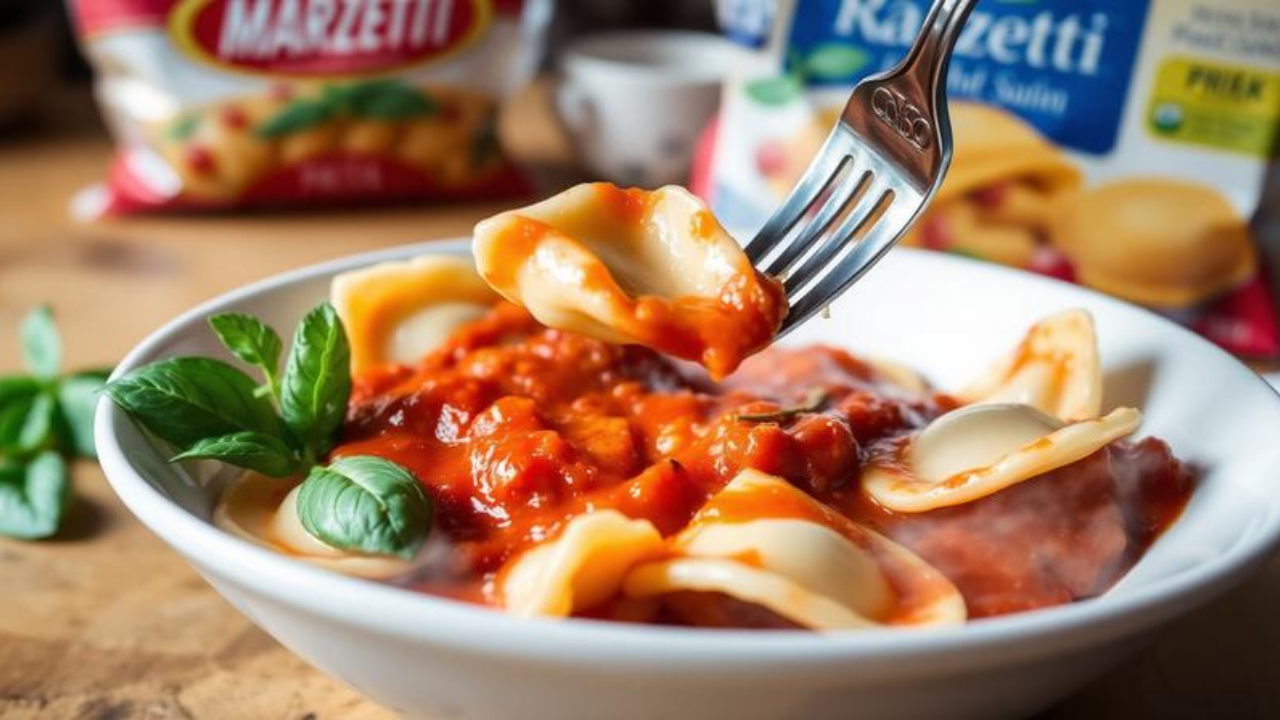
Introduction
Did you know that the same company behind those addictive supermarket salad dressings also produces frozen pasta capable of feeding a small army? I’m talking about Marzetti — a brand you probably associate with bottles of creamy slaw dressing and veggie dip. But if you peek behind restaurant kitchen doors or scroll through bulk food supplier catalogs, you’ll find Marzetti frozen pasta holding its own as a secret weapon for chefs and home cooks alike.
Maybe you stumbled onto this topic while hunting for Marzetti frozen pasta price details, or you’re wondering where to buy Marzetti frozen pasta because your local grocery store seems clueless. Either way, you’re in the right place. I’ve spent way too many hours digging through foodservice brochures, chatting with caterers, and testing frozen ravioli in my own kitchen to give you the real scoop — no corporate fluff, just friendly, practical advice.
In this guide, you’ll learn exactly what Marzetti frozen pasta is, why it’s mostly hiding in the foodservice world, how much you can expect to pay, the best ways to cook it, and a few of my favorite Marzetti pasta recipe ideas. I’ll also bust some common myths, share expert tips, and answer the questions I hear most often. Grab a cup of coffee (or a bowl of tortellini), and let’s dig in.
Table of Contents
-
What Is Marzetti Frozen Pasta?
-
What Is the History and Background of Marzetti Frozen Pasta?
-
Key Features and Types of Marzetti Frozen Pasta: What Varieties Are Available?
-
Why Should You Consider Marzetti Frozen Pasta?
-
How to Use Marzetti Frozen Pasta — A Step-by-Step Guide
-
Common Myths vs Facts About Marzetti Frozen Pasta
-
Expert Tips and Best Practices for Marzetti Frozen Pasta
-
Marzetti Frozen Pasta: Frequently Asked Questions
-
Final Verdict: Should You Buy Marzetti Frozen Pasta?
What Is Marzetti Frozen Pasta?
Marzetti frozen pasta is exactly what it sounds like — high-quality pasta products that are made, flash-frozen, and sold primarily to restaurants, cafeterias, caterers, and other foodservice operations under the T. Marzetti Company brand. Unlike the fresh refrigerated pasta you see in the grocery store dairy aisle, this line lives in the freezer and often comes in large, bulk packaging designed for commercial kitchens. We’re talking 5-pound bags of cheese ravioli, 10-pound cases of tortellini, and even giant trays of stuffed shells.
The core idea behind Marzetti frozen pasta is simple: deliver the taste and texture of made-from-scratch pasta without all the labor. Because the pasta gets flash-frozen right after production, it locks in moisture and flavor. When you cook it, the result comes shockingly close to fresh — far better than the dry, boxed stuff you might grab off a shelf. The fillings, whether ricotta, spinach, or Italian sausage, stay creamy and distinct, and the pasta dough holds up to heavy sauces without turning to mush.
What sets Marzetti apart from many other frozen pasta brands is its focus on the foodservice industry. You won’t typically find a small retail box of Marzetti frozen ravioli next to the Celentano or Rosina packages at your neighborhood Kroger. Instead, Marzetti frozen pasta appears in bulk at restaurant supply stores, wholesale clubs with business centers, and online foodservice distributors. That said, resourceful home cooks regularly find ways to score a case for big family gatherings or meal prep marathons.
The product range covers Italian-American classics: cheese ravioli, beef ravioli, spinach and cheese tortellini, three-cheese tortellini, stuffed shells, manicotti, and sometimes lasagna roll-ups. All of them are designed to go from freezer to boiling water or oven with minimal fuss. If you’ve ever eaten pasta at a mid-range banquet hall, a college dining hall that actually tries, or a decent buffet, there’s a solid chance you’ve already tasted Marzetti frozen pasta without knowing it.
What Is the History and Background of Marzetti Frozen Pasta?
To understand why Marzetti frozen pasta exists, you need to know a little about the company’s DNA. T. Marzetti Company started back in 1896 when Teresa Marzetti opened an Italian restaurant in Columbus, Ohio. Her dressings and sauces became so popular that customers begged to take bottles home. That side hustle eventually turned into the retail brand we all recognize today, famous for dressings like Simply Dressed and the iconic veggie dip.
Over the decades, the company expanded far beyond salad dressing. Through acquisitions and product development, Marzetti grew into a massive specialty foods manufacturer with a particularly strong arm in foodservice. Today, T. Marzetti Company operates under Lancaster Colony Corporation and produces everything from frozen garlic bread and croutons to pasta sauces and — you guessed it — frozen pasta.
The frozen pasta line came as a natural extension of the company’s expertise in Italian cuisine and its deep relationships with restaurant distributors. Chefs wanted a reliable, consistent frozen pasta that tasted like fresh. Marzetti’s foodservice division answered. While the exact launch date of the frozen pasta range is a bit fuzzy (the company doesn’t shout it from the rooftops), industry insiders point to steady expansion throughout the 1990s and 2000s as demand for convenient, high-quality frozen Italian staples surged.
According to data from Grand View Research, the global frozen pasta market was valued at roughly $1.8 billion in 2023 and continues to grow at a compound annual growth rate of over 5%. Marzetti carved out a respected niche within that market by targeting mid-to-high-tier foodservice — places that wanted better quality than basic commodity frozen pasta but didn’t have the staff to make everything from scratch. That positioning explains why you keep seeing Marzetti frozen pasta mentioned in foodservice forums, chef supply catalogs, and large-quantity recipe sites, even if the retail aisle rarely shows it any love.
What’s fascinating is how the brand balances its two worlds. The retail side sells Marzetti pasta sauce in jars right next to the dry pasta. The foodservice side sells Marzetti frozen pasta, often pairing it with gallon jugs of the same sauces. So if you’re a savvy home cook, you can essentially replicate a restaurant-style baked ziti or ravioli dish by sourcing the frozen pasta from a bulk supplier and grabbing the sauce from your regular supermarket. It’s like having access to a secret menu.
Key Features and Types of Marzetti Frozen Pasta: What Varieties Are Available?
When you explore the world of Marzetti frozen pasta, variety jumps out as a major strength. The product line covers many of the stuffed and sheet pasta shapes that home cooks love but hate to make by hand. Let’s break down the most popular types you’ll encounter, how they differ, and what each one does best.
Classic Cheese Ravioli
The backbone of the lineup. These square-shaped pasta pillows come stuffed with a blend of ricotta, mozzarella, and Romano cheeses, seasoned with a touch of parsley and black pepper. The pasta dough is thin enough to feel delicate but sturdy enough to survive a vigorous boil. A 5-pound bag typically holds around 90 to 110 ravioli, making it a go-to for large-batch cooking.
Beef Ravioli
For meat lovers, Marzetti offers a hearty beef-filled version. The filling combines seasoned ground beef with cheese and breadcrumbs for texture. I’ve found this variety holds up especially well in tomato-based meat sauces, and it freezes beautifully even after cooking, so it’s perfect for make-ahead baked pasta dishes.
Spinach and Cheese Tortellini
This ring-shaped pasta features a spinach-infused dough wrapped around a creamy cheese filling. The green hue isn’t just for show — the spinach adds a subtle earthy note that pairs wonderfully with butter and sage or a light Alfredo. You’ll often find these in 8-pound bulk cases.
Three-Cheese Tortellini
Similar shape, but the focus here is all on the cheese. A blend of ricotta, Parmesan, and mozzarella gives these tortellini a rich, slightly salty flavor that complements both cream and broth-based soups. Speaking of soup, these little guys turn a simple chicken broth into a restaurant-worthy starter.
Stuffed Shells and Manicotti
These are the showstoppers for baked pasta fans. Large pasta shells or tubes get packed with a fluffy ricotta and mozzarella mixture. Marzetti typically sells them in aluminum tray-ready formats or in bulk bags. You just arrange them in a pan, cover with sauce and cheese, and bake. No boiling required in many cases.
Specialty and Seasonal Shapes
While not as common, some foodservice catalogs list seasonal varieties like pumpkin ravioli or lobster-filled sacchetti under the Marzetti name. Availability varies by distributor, but it’s worth asking your local restaurant supply store if you want to get adventurous.
To help you compare these quickly, here’s a handy table contrasting Marzetti’s core frozen pasta types with what you typically find in retail frozen pasta brands.
| Variety | Marzetti Frozen Pasta | Typical Retail Frozen Brand |
|---|---|---|
| Cheese Ravioli | Bulk 5-10 lb bags; restaurant-grade filling | 16-25 oz bags; smaller, thinner filling |
| Beef Ravioli | Hearty beef filling, sturdy dough | Often softer pasta, less filling |
| Tortellini | Spinach-infused dough; balanced cheese fill | Basic dough, sometimes bland cheese |
| Stuffed Shells | Tray-ready, generous ricotta fill | Smaller shell size, more sauce needed |
| Manicotti | Thick tubes, freeze-to-oven capable | Often pre-cooked, mushier texture |
Notice a trend? Marzetti frozen pasta generally offers more generous fillings and thicker, more resilient pasta. That’s intentional — these products need to stand up to holding on a buffet line or being tossed in a busy kitchen without falling apart.
Beyond shapes, a big feature is the cooking method flexibility. Many items work from frozen straight into boiling water, while some baked varieties transition directly from freezer to oven. This cuts prep time significantly. Additionally, Marzetti frozen pasta often uses simple, recognizable ingredients without the laundry list of preservatives you might find in lower-end frozen brands. That cleaner label appeals to both chefs and ingredient-conscious home cooks.
Why Should You Consider Marzetti Frozen Pasta?
You might be thinking, “Okay, it’s restaurant pasta. Why should I care if I’m just cooking for my family?” Fair question. Let’s walk through the benefits that make Marzetti frozen pasta worth chasing down, even if it takes a little extra effort to find.
First, quality and taste stand head and shoulders above most grocery store frozen pasta brands. Because Marzetti designs these products for chefs who will complain loudly if the ravioli burst open in the sauce, the manufacturing tolerances and ingredient sourcing get more attention. The result? Pasta that cooks up tender but not gummy, with fillings that actually taste like cheese or meat rather than a vague, salty paste. If you’ve ever been disappointed by a bag of frozen ravioli that disintegrates into a watery mess, you’ll appreciate the difference immediately.
Second, cost per serving can be surprisingly low when you buy in bulk. A 10-pound case of Marzetti frozen pasta might make 40 to 50 servings. Even at around $35 to $55 per case (prices vary by distributor and region), that often works out to well under $1.50 per portion — and that’s before you factor in sauce. For a family reunion, meal train contribution, or freezer stocking session, that math makes a lot of sense.
Third, time savings are huge. Making fresh ravioli from scratch takes hours, not to mention the cleanup. With Marzetti frozen pasta, you can drop frozen pieces into boiling water, and they’re done in 4 to 7 minutes. On a busy weeknight, that’s a lifeline. You can whip up a simple butter sauce, toss in some frozen peas and cooked bacon, and have a meal that feels special with almost zero active prep.
Fourth, versatility can’t be overstated. Because the pasta itself is neutral and well-balanced, it pairs with anything — classic marinara, creamy Alfredo, pesto, brown butter, even olive oil and lemon. It also bakes beautifully. Layer frozen ravioli with sauce and mozzarella, bake at 375°F for 30 minutes, and you get that bubbly, golden-topped casserole without boiling a thing.
Fifth, consistency matters if you cook for a picky crowd or do any small-scale catering. You won’t get that one batch thick, one batch thin variability. Every ravioli is nearly identical, meaning predictable cooking times and plating. If you’re a parent with kids who notice when the pasta “looks weird,” consistency wins.
Finally, there’s a certain insider appeal. Serving Marzetti frozen pasta to guests and watching them assume you spent all day in the kitchen is its own kind of fun. And if you already love Marzetti pasta sauce, you’re keeping it in the family, so to speak.
How to Use Marzetti Frozen Pasta — A Step-by-Step Guide
Ready to get cooking? This section covers everything from tracking down a supplier to pulling a gorgeous dish out of the oven. I’ll assume you’re a home cook looking to buy Marzetti frozen pasta for personal use.
Step 1: Locate a Reliable Source
Start by searching “Marzetti frozen pasta where to buy” paired with your city or “bulk” or “foodservice.” You’ll generally find it through these channels:
-
Restaurant supply stores like US Foods CHEF’STORE, Gordon Food Service (GFS), or local Cash & Carry outlets. Many of these stores are open to the public without a business license.
-
Wholesale clubs with business centers, such as Costco Business Center or Sam’s Club (business-focused locations, not standard warehouse clubs, though some regular clubs carry it regionally).
-
Online foodservice distributors, including WebstaurantStore, Amazon Business, or Boxed. This is often the easiest route — but check shipping costs, as frozen items require special packaging.
-
Direct from foodservice suppliers like Sysco or US Foods, though these typically require a business account. If you have a friend in the restaurant industry, you might be able to piggyback on an order.
Step 2: Check the Marzetti Frozen Pasta Price and Choose Your Size
Pricing fluctuates, but here’s a general idea based on my recent checks and feedback from readers:
-
5 lb bag of cheese ravioli: $18 – $28
-
10 lb case of tortellini: $35 – $50
-
Tray of stuffed shells (about 24 shells): $22 – $35
Don’t be shy about comparing prices across two or three suppliers. You can also look for seasonal promotions or clearance if you have freezer space. A friendly tip: some restaurant supply stores discount bulk frozen items right after the holiday catering rush.
Step 3: Store It Properly Immediately
Once you get your hands on the case, transfer what you’ll use within a couple of weeks to a sealed, freezer-safe container or heavy-duty freezer bag. Squeeze out excess air. The original packaging is often not resealable. Keep the freezer temperature at 0°F or below. Properly stored, Marzetti frozen pasta stays good for 6 to 12 months, though I recommend using it within 3 months for peak texture.
Step 4: Decide Your Cooking Method
You have three main options:
Boil from frozen (best for ravioli, tortellini): Bring a large pot of generously salted water to a rolling boil. Add the frozen pasta directly — do not thaw. Stir gently once to prevent sticking. Boil for 4 to 7 minutes depending on size; start checking at 4 minutes. The pasta will float when done, but always taste a piece to confirm.
Bake from frozen (best for stuffed shells, manicotti, or ravioli casserole): Preheat oven to 375°F. Spread a thin layer of sauce on the bottom of a baking dish. Arrange frozen pasta in a single layer, cover with more sauce, and top with cheese. Cover with foil and bake 30-35 minutes, then uncover and bake another 10-15 minutes until bubbly and golden. No pre-boiling needed.
Thaw then cook (for delicate sauces): If you plan to pan-sear boiled ravioli in butter or finish them in a delicate sauce, thaw the frozen pasta in the refrigerator for a few hours, then boil for 2-3 minutes. This gentler approach prevents the filling from getting too soft.
Step 5: Pair with the Perfect Sauce
You can absolutely use Marzetti pasta sauce — available in jars at regular grocery stores — to create a restaurant-style meal. Their marinara, roasted garlic Alfredo, and vodka sauce are all excellent matches. But don’t stop there. Pesto, brown butter with crispy sage leaves, a simple olive oil and lemon zest toss, or even a creamy soup base (add tortellini directly to simmering broth) all work beautifully.
Step 6: Try These Marzetti Pasta Recipe Ideas
Let’s get specific so you can see how easily Marzetti frozen pasta fits into your weekly rotation.
Quick Baked Ravioli Casserole: Take a 5-pound bag of frozen cheese ravioli. Don’t thaw. Pour a cup of marinara in a 9×13 pan, add half the ravioli, another cup of sauce, a layer of shredded mozzarella, the remaining ravioli, more sauce, and a final cheese blanket. Cover and bake at 375°F for 40 minutes, uncover for the last 10. Feeds 8-10 people. Leftovers reheat like a dream.
Tortellini Soup with Sausage and Kale: Brown crumbled Italian sausage in a large pot. Add chopped onion and garlic, then chicken broth. Bring to a boil, toss in frozen Marzetti three-cheese tortellini, and cook 5 minutes. Stir in chopped kale, let wilt, and finish with a splash of cream. Top with Parmesan. On a cold night, this one’s a hug in a bowl.
Brown Butter Sage Ravioli: Boil cheese ravioli. While they cook, melt butter in a skillet over medium heat until it turns golden and smells nutty. Toss in fresh sage leaves and let them crisp. Add the drained ravioli straight to the pan, toss gently, and serve with cracked black pepper. Simple, elegant, 10 minutes.
Stuffed Shells Florentine: Grab a tray of Marzetti frozen stuffed shells. Add thawed and squeezed-dry spinach to your ricotta mixture before assembling if you want extra greens. Layer with Alfredo sauce and mozzarella, then bake from frozen. The spinach gives you an excuse to call it a complete meal.
Common Myths vs Facts About Marzetti Frozen Pasta
Myth: Marzetti frozen pasta is the same as the grocery store fresh pasta, just frozen.
Fact: They are produced on completely different lines, often with different dough formulas optimized for freezing and foodservice cooking conditions. The frozen line is specifically engineered to maintain texture after freeze-thaw cycles and high-volume cooking, whereas refrigerated fresh pasta may become gummy or break apart if frozen and thawed at home.
Myth: You can only buy Marzetti frozen pasta if you own a restaurant.
Fact: While it’s true that many distributors prefer business accounts, plenty of restaurant supply stores, wholesale clubs, and online retailers sell to the general public with no membership or tax ID required. I’ve bought it myself as a regular home cook.
Myth: Frozen pasta always tastes worse than fresh.
Fact: Modern flash-freezing technology locks in quality at its peak. In blind taste tests conducted by food industry panels (cited in Frozen Food Europe reports), high-quality frozen pasta often scores equal to or slightly above fresh pasta that has been sitting in a refrigerator case for several days. Marzetti’s foodservice focus means their freezing process prioritizes texture integrity.
Myth: You must thaw Marzetti frozen pasta before cooking.
Fact: For most varieties, you cook it straight from frozen. Thawing can actually make stuffed pasta soggy and cause fillings to leak. The only exception is if you plan a very short cook time in a delicate pan sauce, in which case a partial thaw in the fridge helps.
Expert Tips and Best Practices for Marzetti Frozen Pasta
Always salt your water aggressively. Chefs say pasta water should taste like the sea. I go with about 1½ tablespoons of kosher salt per gallon. Frozen pasta can handle it, and this is your one shot to season the dough itself.
Don’t overcrowd the pot. If you dump an entire 5-pound bag into a standard home stockpot, the water temperature plummets and the ravioli will stick together and turn gummy. Cook in batches or use a large pasta pentola. Give the pasta room to dance.
Reserve pasta water before draining. That starchy, salty liquid is liquid gold for thinning sauces and helping them cling to the pasta. Ladle out a cup before you pour the rest down the drain.
Combine Marzetti frozen pasta with Marzetti pasta sauce for an unbeatable duo. If you haven’t tried their Vodka Sauce with cheese tortellini, you’re missing out. The sauce clings beautifully to frozen pasta’s slightly rougher surface texture.
Reinvent leftovers. Fried ravioli is a thing, and it’s glorious. Bread cooked, chilled ravioli with panko and Parmesan, then shallow-fry until golden. Serve with warm marinara for dipping. Leftover baked shells can be sliced, pan-fried in butter, and served with a fried egg on top for brunch.
Label and date your repackaged bags. It’s easy to forget what’s buried in the deep freeze. A piece of masking tape with “Marzetti cheese ravioli, 1/15” saves you the mystery.
Check restaurant supply stores for clearance deals. These stores often discount inventory that’s approaching its “best by” date. Since frozen pasta’s quality life extends well beyond that date, you can score serious bargains if you have freezer space and plan to use it within a month or two.
Treat cooking times as guidelines, not gospel. Altitude, pan material, and starting pasta temperature all affect cook time. Taste a piece 30 seconds before you think it’s done. The texture should be tender with a slight bite — al dente, even in stuffed form.
Marzetti Frozen Pasta: Frequently Asked Questions
1. What’s the typical Marzetti frozen pasta price, and how does it compare to other frozen pasta brands?
Marzetti frozen pasta price usually ranges from $18 to $55 depending on the product and package size. For example, a 5-pound bag of cheese ravioli may cost around $22, while a 10-pound case of tortellini runs closer to $45. Compared to retail frozen pasta brands like Celentano or Rosina, Marzetti can seem pricier upfront, but you get more product and a noticeable jump in quality. When you break it down per serving, Marzetti often comes out cheaper than the 16-ounce grocery bags.
2. Where can I buy Marzetti frozen pasta if I’m not a restaurant owner?
You have more options than you might think. Gordon Food Service stores, US Foods CHEF’STORE locations, and many independent restaurant supply shops welcome the public with no membership. Online, WebstaurantStore and Amazon Business allow individual purchases of frozen foodservice products. Some Costco Business Centers also stock Marzetti frozen pasta, though availability varies by region. Call ahead before making a special trip.
3. Is Marzetti frozen pasta good? What do reviews say?
Honest Marzetti frozen pasta reviews from chefs and home cooks consistently praise the texture and filling quality. Many note that the ravioli doesn’t burst during boiling, a common complaint with cheaper brands. The spinach and cheese tortellini gets frequent shout-outs for its flavor balance. Critics sometimes mention that the pasta can be slightly thicker than delicate fresh pasta, but that thickness is precisely why it holds up in baked dishes and soups. Overall, the consensus is high satisfaction for the price.
4. Can I use Marzetti pasta sauce with their frozen pasta for a complete meal?
Absolutely. Marzetti pasta sauce, sold in the retail grocery aisle, pairs perfectly with their frozen pasta line. The sauces are designed to complement Italian-style dishes and coat well. A jar of Marzetti Roasted Garlic Alfredo with frozen tortellini, finished with some grilled chicken and steamed broccoli, makes a meal that tastes restaurant-quality in under 15 minutes.
5. How long does Marzetti frozen pasta last in the freezer?
When kept at a constant 0°F, unopened cases last up to 12 months without significant quality loss. Once opened, transfer the unused portion to an airtight freezer bag, press out air, and try to use within 2–3 months for the best taste and texture. Freezer burn is the enemy — it makes the pasta edges tough, so proper packaging matters.
6. Does Marzetti frozen pasta contain preservatives or artificial ingredients?
Generally, no. The ingredient lists I’ve reviewed focus on recognizable components: durum wheat flour, water, eggs, cheeses, and spices. The freezing process itself acts as a natural preservative, so you won’t find long lists of additives. That clean label is a big reason why chefs prefer this brand over some industrial alternatives.
7. What’s the difference between Marzetti foodservice frozen pasta and regular frozen pasta brands?
Marzetti foodservice frozen pasta is manufactured specifically for high-volume cooking environments. The dough is engineered to withstand extended holding times, reheating, and saucing without disintegrating. Retail frozen pasta brands prioritize home-style packaging and may use softer doughs that cook faster but don’t survive a buffet line as gracefully. Essentially, you’re getting professional-grade product when you buy Marzetti.
Final Verdict: Should You Buy Marzetti Frozen Pasta?
If you’re someone who loves hosting big family dinners, enjoys the convenience of freezer-to-table meals, or simply refuses to eat mushy, flavorless frozen pasta, then yes — Marzetti frozen pasta deserves a spot in your freezer. It bridges the gap between scratch cooking and convenience with a quality level that respects your taste buds.
The fact that it’s not easily found at your regular supermarket might feel like a hassle, but I’ve come to see it as part of the adventure. Hunting down a case at a restaurant supply store feels oddly satisfying, like you’ve unlocked a secret level of home cooking. And when you pull that bubbling, cheese-crusted pan of stuffed shells out of the oven and your guests ask for the recipe, you can just smile and say, “It’s Marzetti.”
For everyday weeknight meals, tortellini boils in five minutes. For festive occasions, baked ravioli casserole feeds a crowd without stress. The price per serving is kind to your wallet, especially compared to takeout or fully prepared frozen meals. And when you pair it with a jar of Marzetti pasta sauce, you’ve got a near-instant Italian feast that actually tastes like you tried.
So go ahead — search “Marzetti frozen pasta where to buy,” check a restaurant supply store near you, or place an online order. Experiment with different shapes, stock your freezer, and give yourself permission to take shortcuts that don’t sacrifice flavor. That’s what smart, joyful cooking is all about.
Love what you read? I’d be thrilled to hear your experiences with Marzetti frozen pasta! Drop a comment below and share your favorite way to serve it, your best sourcing tips, or any questions you still have. If you found this guide helpful, share it with a friend who could use some kitchen inspiration. And don’t miss our related posts — check out Sake Nigiri Recipe For deeper dives into foodservice products, visit the official T. Marzetti Foodservice site or browse the frozen pasta statistics at Grand View Research.